Author: itsmikeski@gmail.com

  • Binance Japan Partners with PayPay to Link Cashless Payments with Crypto in Japan

    Binance Japan Partners with PayPay to Link Cashless Payments with Crypto in Japan

    What happened?

    Binance Japan announced a partnership with PayPay to link cashless payments with crypto, letting users buy and sell digital assets via the PayPay Money feature. PayPay and SoftBank have taken a reported 40% stake in Binance Japan as part of the deal. The move builds on Binance’s Japan platform launch and aims to create a seamless payment rail between a huge mobile-pay user base and crypto services.

    Who does this affect?

    Millions of Japanese consumers and merchants using PayPay (about 38 million users) and Binance (tens of millions in Japan) will get an easier on‑ramp to crypto. Payment providers, exchanges, banks, and fintech competitors in Japan will face more pressure to integrate crypto payments and services. Regulators and large corporate holders of crypto, like Metaplanet, will also be watching as payments and crypto markets become more tightly linked.

    Why does this matter?

    By connecting a major mobile payment network to an exchange, the deal could significantly boost retail adoption, on‑chain activity, and liquidity in Japan’s crypto market. That increased usage may raise trading volumes, support demand for yen‑pegged stablecoins and spark more partnerships or competitive moves across the region. Overall, it’s likely bullish for crypto infrastructure and services in Japan while also inviting closer regulatory scrutiny that could shape market dynamics.
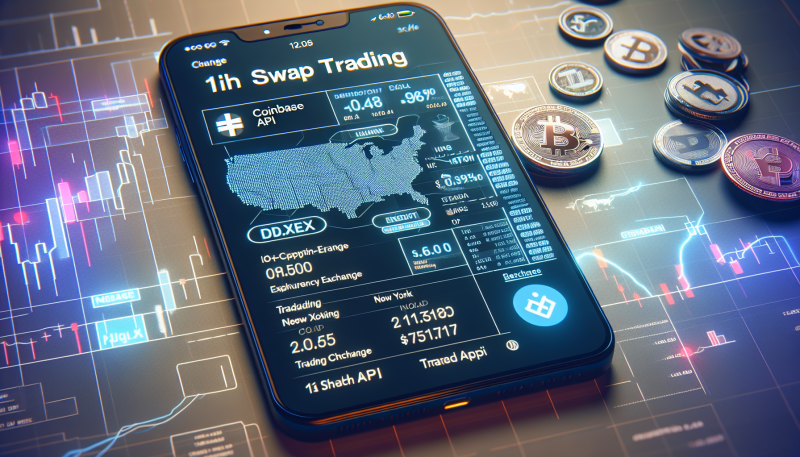

  • Coinbase Launches In-App DEX Trading for US Users (New York Excluded) via 1inch Swap API

    Coinbase Launches In-App DEX Trading for US Users (New York Excluded) via 1inch Swap API

    What happened?

    Coinbase added decentralized exchange (DEX) trading directly inside its mobile app for U.S. users, though New York residents are excluded. The feature integrates the 1inch Swap API and starts with Base-native tokens from projects like Virtuals AI, Reserve Protocol, and SoSo Value, letting people swap tokens before Coinbase formally lists them. Coinbase says it will roll out more assets, networks, and countries over time.

    Who does this affect?

    Millions of Coinbase retail users in the U.S. (except New York) now have a built-in self-custody option to trade onchain without leaving the app. Crypto projects launching on Base get faster access to mainstream buyers and liquidity, while DeFi traders and liquidity providers can tap more pools and trading opportunities. Centralized exchanges, custody-focused traders, and regulators will also feel the change as trading moves onchain.

    Why does this matter?

    This move speeds up the shift of trading volume from centralized exchanges to decentralized platforms by making onchain swaps easy for mainstream users. That could boost onchain liquidity and perpetual DEX volumes, intensify competition among venues, and change how new tokens are discovered and traded. For Coinbase, it’s a way to grow engagement and revenue as traditional exchange activity softens, but it also brings new operational and regulatory risks.

  • Ethereum Foundation Launches 47-Member Privacy Cluster to Make On-Chain Privacy a Core Feature

    Ethereum Foundation Launches 47-Member Privacy Cluster to Make On-Chain Privacy a Core Feature

    What happened?

    The Ethereum Foundation announced a 47-member Privacy Cluster led by Igor Barinov to scale up privacy work that started with the PSE team. It organizes research into a five-track strategy—private reads/writes, private proving, private identities, UX, and institutional adoption—and is building tools like the Kohaku privacy wallet and SDK. The move turns years of open-source primitives (Semaphore, MACI, zkEmail) and Roadmap work into a coordinated push to make privacy a first-class property on Ethereum.

    Who does this affect?

    This affects everyday users who want private payments and identities, developers building dApps and wallets, and DeFi teams looking to add privacy-preserving features. It’s aimed squarely at institutions and enterprises that need privacy and compliance solutions so they’ll consider on-chain assets and services. It also changes the landscape for analytics firms, centralized exchanges, and front-end wallets that will need to adapt to new privacy norms and potential GDPR-related roles.

    Why does this matter?

    From a market perspective, stronger built-in privacy could unlock institutional money and real-world asset tokenization by removing surveillance and regulatory blockers that scare off enterprises. That shift would likely increase demand for privacy-enabled wallets, zk tooling, and private DEXs, boosting usage, fees, and developer activity on Ethereum. At the same time analytics providers and some centralized trading models may lose ground, creating new winners (privacy SDKs, ZK providers, privacy-first DEXs) and putting upward pressure on long-term ecosystem value.

  • Polymarket Teases Native POLY Token With ICE Backing and Funding Boost Ahead of US Relaunch

    Polymarket Teases Native POLY Token With ICE Backing and Funding Boost Ahead of US Relaunch

    What happened? Polymarket’s founder teased a native POLY token and revealed major funding and ICE backing.

    Shayne Coplan hinted that Polymarket may launch a native $POLY token and has previously floated an airdrop to reward active users. He also disclosed $205M raised in past rounds and a massive investment from Intercontinental Exchange that vaulted the company toward a US relaunch. Together, the token tease, funding news, and ICE backing have reignited speculation about Polymarket’s next moves.

    Who does this affect? Users, traders, investors and regulators are all likely to be impacted.

    Current Polymarket users could see direct benefits if a POLY token or airdrop is issued, giving them a stake in the platform. Traders and speculators may rush in for potential token liquidity and new market opportunities, while institutional partners could broaden the user base. Regulators and US-based users are also affected because a domestic relaunch would need to navigate prior CFTC restrictions.

    Why does this matter? A POLY token plus ICE backing could reshape capital flows, competition, and adoption in prediction markets.

    If POLY launches and gains traction it could pull liquidity and attention from other crypto projects and meaningfully boost Polymarket’s valuation and trading volumes. ICE’s involvement adds legitimacy that may attract institutional capital and speed mainstream adoption of prediction markets. At the same time, a token debut raises regulatory scrutiny and could drive short-term volatility as markets price in token utility and governance expectations.

  • Kerrisdale’s Bearish Bet on BitMine Highlights Dilution and NAV Risks in ETH-Backed Strategy

    Kerrisdale’s Bearish Bet on BitMine Highlights Dilution and NAV Risks in ETH-Backed Strategy

    What happened?

    Short-selling firm Kerrisdale Capital announced a bearish short on BitMine, calling its strategy of issuing shares to buy Ether a “relic on the verge of extinction.” BitMine — which pivoted to become the world’s largest public Ethereum holder — saw its shares swing sharply intraday but ultimately closed slightly higher. Kerrisdale pointed to heavy share dilution and billions in new offerings, arguing the company’s market premium is converging with the value of its crypto holdings.

    Who does this affect?

    Primarily BitMine shareholders and prospective investors face higher risk from the short call and ongoing dilution. Crypto investors, institutions, and ETF buyers deciding between direct ETH exposure and corporate crypto treasuries will be watching how this plays out. Executives like Tom Lee, other token-accumulating public firms, and traders in related miners or treasury plays could feel spillover from renewed scrutiny and volatility.

    Why does this matter?

    If the market stops paying a premium for BitMine’s middleman model, the stock could move closer to NAV, creating downside pressure for holders. Continued share issuance slows ETH-per-share accretion and increases supply, which can cap rallies, attract shorts, and boost volatility. More broadly, rising flows into spot ETH ETFs and direct ETH buying could shift capital away from equity-backed crypto treasuries and change how markets price these plays.

  • Helius Plans to Acquire at Least 5% of Solana Worth Over $6 Billion and List in Hong Kong Within Months

    Helius Plans to Acquire at Least 5% of Solana Worth Over $6 Billion and List in Hong Kong Within Months

    What happened? Helius plans to acquire at least 5% of Solana, a stake worth over $6 billion, and aims to list in Hong Kong within months.

    Helius, a digital asset treasury firm led by Joseph Chee, transformed from a healthcare tech company after raising $500 million to build a Solana treasury. The firm says it will start buying SOL once market-cap and regulatory conditions are in place and is targeting a second listing in Hong Kong within about six months. Helius is partnering with the Solana Foundation and joins a small but growing group of DATs that are accumulating SOL.

    Who does this affect? SOL holders, DAT investors, crypto institutions, and Asian markets could feel the impact.

    Existing Solana holders may see price effects from large-scale accumulation and increased demand. Investors in DATs, traditional asset managers, and institutional buyers are affected because this shows a playbook for turning corporate treasuries into major crypto buyers. Hong Kong exchanges and regional crypto ecosystems could gain attention as Helius plans a local listing and deeper ecosystem collaboration.

    Why does this matter? A buy of this scale could push Solana’s price higher, change liquidity dynamics, and reshape how institutional money flows into crypto.

    Buying 5% of SOL would create significant upward pressure on price and could reduce circulating supply available to the market. DATs often trade at a premium to NAV, so large treasury moves can amplify market sentiment and drive arbitrage between tokens and treasury stocks. A Hong Kong listing and institutional backing could bridge more traditional capital to Solana, increase developer interest, and invite closer regulatory scrutiny.

  • Binance Smart Chain Faces Short-Term Volatility After Explosive Meme Token Rally

    Binance Smart Chain Faces Short-Term Volatility After Explosive Meme Token Rally

    What happened?

    The Binance Smart Chain market pulled back sharply after a short, explosive rally — BNB slipped about 3.4% while meme coins like “Binance Life” and PALU plunged double digits (PALU over 35%). The drops followed an intense, retail-driven run-up that left many tokens overbought and thinly traded. Trading volumes remained high despite the sell-off, showing the move was driven by fast profit-taking rather than slow organic selling.

    Who does this affect?

    Retail traders and early speculators who piled into meme tokens are most exposed, with big winners and big losses happening in days. Liquidity providers, market makers and projects tied to Binance listings now face higher volatility and sudden shifts in demand. BNB holders and DeFi builders on BSC could see short-term price pressure and capital flow changes as traders rotate out of risky tokens.

    Why does this matter?

    Meme-driven spikes and crashes create short-term liquidity stress and can amplify market-wide sentiment swings, making the broader crypto market more jittery. That dynamic can cool speculative inflows or at least make traders more cautious, pressuring BNB and related tokens in the near term. At the same time, persistent high volumes mean the space can relight quickly, so markets are likely to stay choppy and high-risk rather than stabilizing immediately.

  • Bitcoin Holds Above $120K as Layer-2 Tokens Lead Gains and BSC Volume Surges on Meme Coins

    Bitcoin Holds Above $120K as Layer-2 Tokens Lead Gains and BSC Volume Surges on Meme Coins

    What happened?

    Bitcoin jumped past $122,000 and is holding above $120K after a small gain, while Ethereum slipped below $4,500. Layer-2 tokens led the upside with Mantle surging about 19% and Arbitrum rising modestly, and AI, meme, and DeFi coins also posted gains. At the same time Binance Smart Chain’s 24-hour trading volume outpaced Solana’s, driven largely by Chinese-themed meme tokens even as many of those tokens showed weak fundamentals.

    Who does this affect?

    Short-term traders and speculators are most affected because the sharp moves in meme and layer-2 tokens create fast profit and loss opportunities. Long-term holders of Bitcoin and Ethereum should take note of the volatility but these swings don’t necessarily change the bigger picture for those assets. Exchanges, BSC and Solana ecosystem participants, and retail investors buying into meme coins are directly impacted by shifts in volume and liquidity.

    Why does this matter?

    This matters for market liquidity and sentiment because BSC’s volume surge and concentration into speculative meme tokens can redirect capital and increase systemic risk. If trading keeps flowing into low-utility meme coins, volatility can spike and cause sudden reversals that ripple through broader crypto markets. Investors and institutions will be watching whether these flows persist, since sustained rotation into speculative assets could affect pricing, risk models, and exchange order books across the sector.

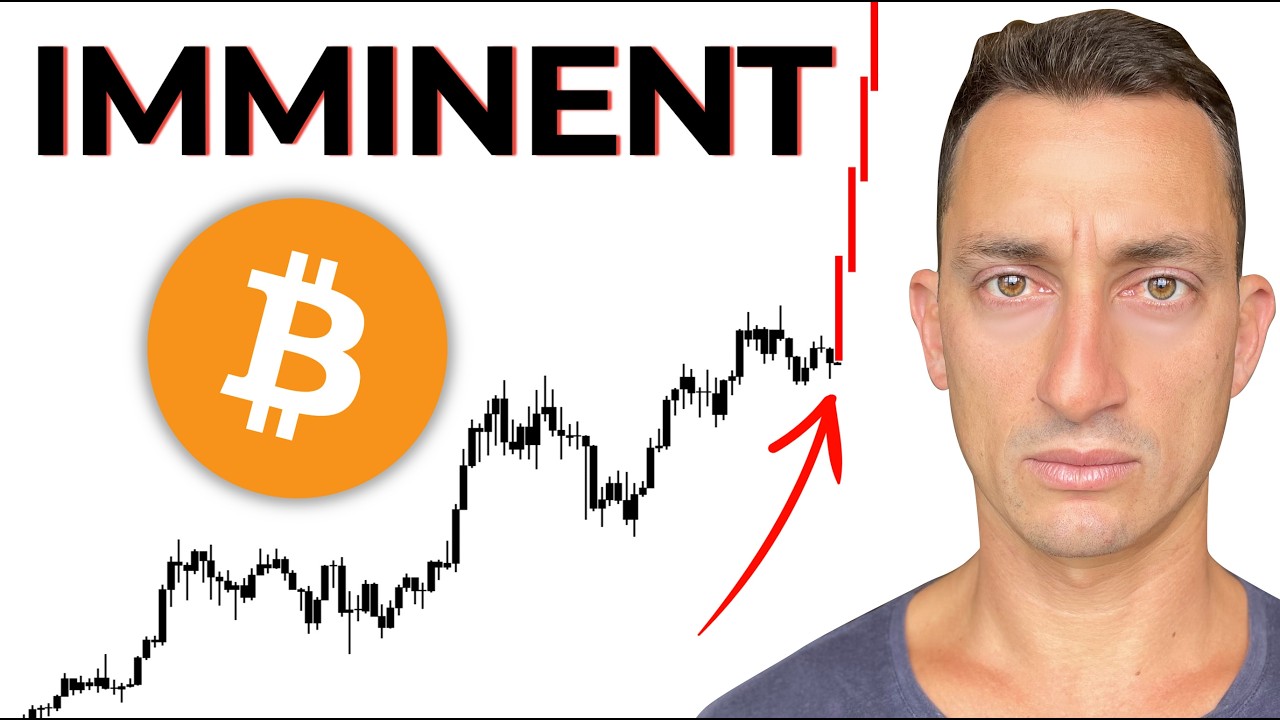
  • Bitcoin: This Blow-Off Top Move Is Intensifying

    Bitcoin: This Blow-Off Top Move Is Intensifying

    🔴 NEW WEEKLY REPORTS, NEW SUBSCRIBERS GET ACCESS HERE → https://tiainvestor.com/subscribe/
    🔴 NAVIGATE YOUR PORTFOLIO THROUGH THE PEAK AND COLLAPSE, JOIN TIA PREMIUM → https://tiainvestor.com/

    🔥 INSTAGRAM: Beware of scammers, this is my only REAL Instagram → https://www.instagram.com/mrpizzino/

    🔥 NEW THE INVESTOR ACCELERATOR YOUTUBE CHANNEL https://www.youtube.com/@theinvestoraccelerator/videos
    (This is an additional channel to my “Jason Pizzino” channel 😄)

    🇦🇺 Trade Bitcoin and crypto – Swyftx, Get $20 Free BTC → https://bit.ly/SwyftxPizzino

    🏅 Toobit, Worldwide No KYC exchange, $600 ETH Airdrop → https://www.toobit.com/t/tiacrypto
    🏅 WEEX, No KYC, 20% Deposit Bonus & Up to 30,000 USDT Rewards → https://www.weex.com/register?vipCode=tiacrypto
    🏅 ByBit, Trade Crypto, get a Crypto Debit Card, Up to $30,000 bonus → https://partner.bybit.com/b/tiacrypto
    🏅 BloFin Crypto Exchange, No-KYC, plus cash bonuses → https://blofin.com/rewards?activity_id=1573&referral_code=TIACRYPTO

    🏆 Free 7-Day Trial – TIA Premium Membership → https://tiacrypto.com/
    🔥 Free 7-Day Trial TIA Indicator Suite → https://indicators.tiacrypto.com/
    📈 TradingView $15 OFF → https://www.tradingview.com/?aff_id=2…
    💳 KAST, Crypto/USD Debit Card https://kast.xyz/jason

    🔴 BEWARE OF IMPERSONATORS (THEY ARE NOT ME).
    I DO NOT HAVE A WHATSAPP OR TELEGRAM GROUP.
    ONLY USE OFFICIAL LINKS IN VIDEO DESCRIPTION.

    🔥Beware of scammers, this is my only REAL Instagram → https://www.instagram.com/mrpizzino/
    → YouTube https://bit.ly/JasonPizzinoYouTube
    → Twitter/X / jasonpizzino https://x.com/jasonpizzino
    → More Crypto Trading on Michael’s YouTube https://bit.ly/MichaelPizzino

    ALSO IN THIS VIDEO:
    SPX, SP500, NASDAQ, NDX, GOLD, USD, DXY, OIL, TRUMP, USDT, ALTCOINS, MEME COINS, AI, US INTEREST RATES DECISION, ETFS, REAL ESTATE CYCLE, 18-YEAR REAL ESTATE AND ECONOMIC CYCLE.

    *I reserve my right to adjust my outlook as more information and data come through. #crypto #bitcoin #cryptonews
    Like and Share if you want to inform your friends and family.

    By watching this video, you are accepting the conditions below:
    ➢ Disclaimer & Affiliate Links https://tiainvestor.com/disclaimer/
    ➢ Privacy Policy https://tiainvestor.com/privacy-policy/
    ➢ Terms & Conditions https://tiainvestor.com/terms-and-conditions/

    PLEASE NOTE: YouTube is now inserting automatic ads. Apologies for any inconvenience.

  • BNB Chain Launches $1B Fund as MetaMask Expands In-Wallet Trading Amid Kazakhstan Crackdown and Bitcoin Consolidation

    BNB Chain Launches $1B Fund as MetaMask Expands In-Wallet Trading Amid Kazakhstan Crackdown and Bitcoin Consolidation

    What happened?

    CZ launched a $1 billion YZi Labs fund to accelerate builders on BNB Chain, offering grants and support for projects in DeSci, AI, DeFi and tokenized assets. MetaMask added Hyperliquid for in-wallet perpetuals and plans to integrate Polymarket, expanding on-chain trading and prediction markets. Meanwhile Kazakhstan closed unauthorized crypto platforms and tightened AML rules, and Bitcoin is going through a healthy consolidation even as BNB network activity stays high.

    Who does this affect?

    Developers, startups and institutional builders on BNB Chain stand to gain the most from grants, technical help and infrastructure support. Traders and MetaMask users will get more on-chain trading options, which could shift volume away from centralized exchanges. Unlicensed crypto platforms and users in Kazakhstan are hit by crackdowns, while regulated projects and institutional investors may benefit from clearer rules.

    Why does this matter?

    The $1 billion fund could drive capital and talent into BNB Chain, boosting ecosystem growth and long-term token utility that may support BNB prices. MetaMask’s moves to bring derivatives and prediction markets into wallets can increase DeFi liquidity and erode centralized exchanges’ share of trading volume. Stronger regulation in Kazakhstan and Bitcoin’s steady pullback both add stability, which could attract more institutional money and reduce short-term market chaos.