The World Federation of Exchanges (WFE) has urged global regulators, including the US SEC and European ESMA, to tighten their oversight on tokenized stocks. This call comes in response to blockchain-based stocks that mimic equities without providing shareholder rights or market trading safeguards. The WFE emphasized the need for clear legal frameworks and securities rules to be applied to these digital token assets.
Who does this affect?
This development affects multiple stakeholders, including investors, brokers, crypto-trading platforms, and companies involved in issuing tokenized stocks. Investors face risks regarding ownership rights and protections typically associated with traditional stocks. Meanwhile, brokers and trading platforms offering these products may need to adapt to stricter regulatory requirements to ensure compliance.
Why does this matter?
This is significant for the market because the adoption of tokenized equities is expanding rapidly, with major platforms like Robinhood and Kraken already entering the space. Increased regulation could impact how these products are offered and traded, influencing the broader acceptance and integration of tokenized assets in the financial ecosystem. As the sector grows, ensuring investor protection and market integrity becomes crucial to prevent potential reputational damage and foster sustainable growth.
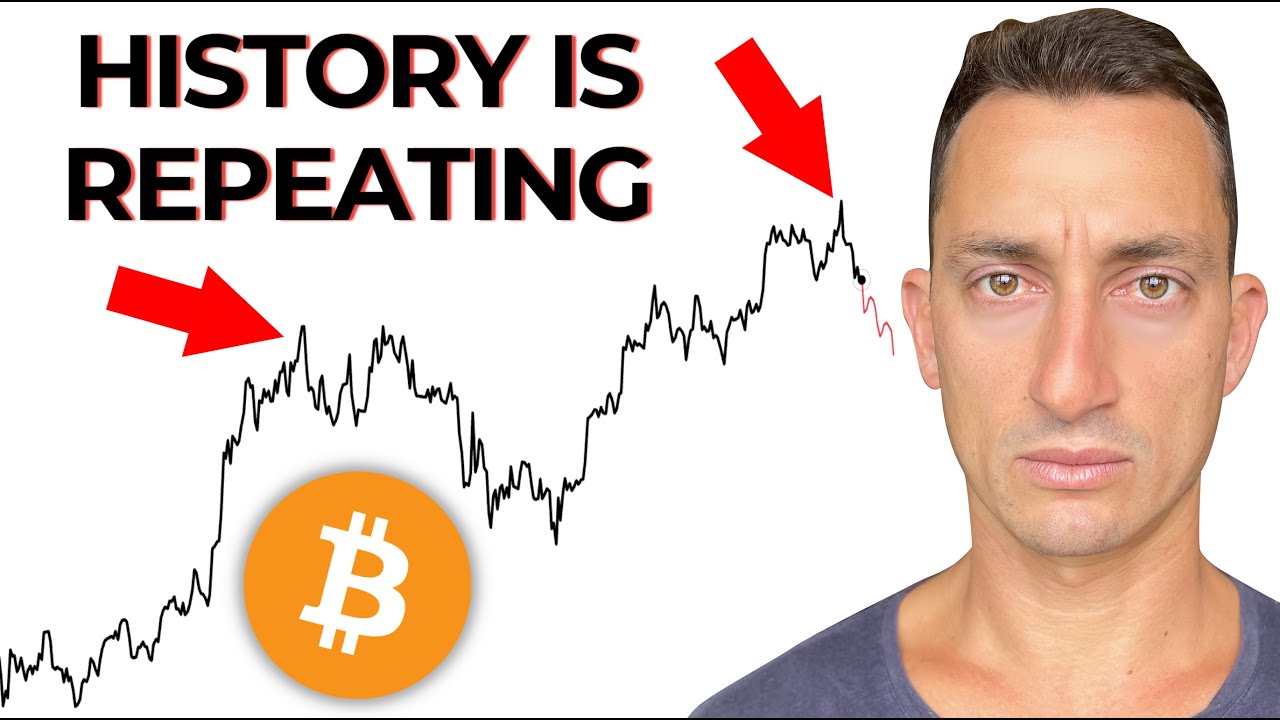
The crypto market is currently experiencing a downturn, with the total market cap dropping by over 4%. Bitcoin’s value fell below $110K, which led to approximately $940 million in liquidations, most of which were long positions. Ethereum is also losing its recent gains, and the market is dealing with issues like ETF outflows, low transaction fees, and reduced liquidity.
Who does this affect?
This affects investors and traders in the cryptocurrency space who are holding various crypto assets, especially those with long positions in Bitcoin. Institutional investors and sovereign entities accumulating exposure might be impacted due to market instability. Retail investors could see the value of their portfolio drop, raising concerns about further investments.
Why does this matter?
This market shift matters because it highlights the volatility inherent in the crypto market, affecting confidence among retail and institutional investors. The significant liquidations suggest vulnerability in the market structure, possibly leading to increased caution or retreat from further investments. This situation could influence future trading volumes and price stability if participants reassess risk in light of these events.
🔴 TIA PREMIUM SALE ON NOW – NEW SUBSCRIBERS GET ACCESS HERE – 3 NEW REPORTS WEEKLY → https://tiacrypto.com/subscribe/
*Navigate the peak and collapse of the 18-Year Cycle*
🔴 TIA PREMIUM, NAVIGATE THE PEAK AND COLLAPSE OF THE 18-YEAR CYCLE → https://tiacrypto.com/
🇦🇺 Trade Bitcoin and crypto – Swyftx, Get $20 Free BTC → https://bit.ly/SwyftxPizzino
🏅 Toobit, Worldwide No KYC exchange → https://www.toobit.com/t/tiacrypto
🏅 WEEX, No KYC, Download App And Receive $1000 ETH Airdrop → https://www.weex.com/register?vipCode=tiacrypto
🏅 ByBit, Trade Crypto, get a Crypto Debit Card, Up to $30,000 bonus → https://partner.bybit.com/b/tiacrypto
🏅 BloFin Crypto Exchange, No-KYC, plus cash bonuses → https://blofin.com/rewards?activity_id=1573&referral_code=TIACRYPTO
🏆 Free 7-Day Trial – TIA Premium Membership → https://tiacrypto.com/
🔥 Free 7-Day Trial TIA Indicator Suite → https://indicators.tiacrypto.com/
📈 TradingView $15 OFF → https://www.tradingview.com/?aff_id=2…
💳 KAST, Crypto/USD Debit Card https://kast.xyz/jason
🔴 BEWARE OF IMPERSONATORS (THEY ARE NOT ME).
I DO NOT HAVE A WHATSAPP OR TELEGRAM GROUP.
ONLY USE OFFICIAL LINKS IN VIDEO DESCRIPTION.
→ Instagram https://www.instagram.com/mrpizzino/
→ YouTube https://bit.ly/JasonPizzinoYouTube
→ Twitter/X / jasonpizzino https://x.com/jasonpizzino
→ More Crypto Trading on Michael’s YouTube https://bit.ly/MichaelPizzino
ALSO IN THIS VIDEO:
SPX, SP500, NASDAQ, NDX, GOLD, USD, DXY, OIL, TRUMP, USDT, ALTCOINS, MEME COINS, AI, US INTEREST RATES DECISION, ETFS, REAL ESTATE CYCLE, 18-YEAR REAL ESTATE AND ECONOMIC CYCLE.
*I reserve my right to adjust my outlook as more information and data come through. #crypto #bitcoin #cryptonews
Like and Share if you want to inform your friends and family.
By watching this video, you are accepting the conditions below:
➢ Disclaimer & Affiliate Links https://tiacrypto.com/disclaimer/
➢ Privacy Policy https://tiacrypto.com/privacy-policy/
➢ Terms & Conditions https://tiacrypto.com/terms-and-conditions/
PLEASE NOTE: YouTube is now inserting automatic ads. Apologies for any inconvenience.
The South Korean legislative process concerning stablecoin regulations has come to a halt. Four draft laws regarding stablecoins are currently stuck at the committee stage in the National Assembly. The delay is largely due to disagreements between various governmental bodies and regulators on key aspects of the legislation.
Who does this affect?
This stagnation impacts multiple stakeholders, including crypto advocates, IT experts, fintech companies, and the broader South Korean business ecosystem. Particularly affected are fintech and IT firms eager to issue stablecoins, which face an uncertain regulatory environment. Additionally, South Korean citizens and businesses looking for innovation in the financial sector may also experience delays in accessing new stablecoin-related services.
Why does this matter?
The slowdown in South Korea’s stablecoin legislation carries significant implications for the country’s market competitiveness. As countries like Germany, China, Japan, and the US make strides in their stablecoin frameworks, South Korea risks falling behind in the rapidly evolving digital currency space. This standstill could hinder South Korea’s potential to influence the global market, particularly if big tech-controlled “private currencies” become prominent elsewhere.
Bitcoin’s price has dropped nearly 2.50% in the last 24 hours, now sitting at $110,085, with a market cap of $2.19 trillion. During this time of heightened volatility, Japan has shown support for cryptocurrency as a tool for diversifying investments amid financial challenges. Additionally, Webull has expanded its U.S. crypto trading services, providing more access to Bitcoin and other digital assets for American investors.
Who does this affect?
The current state of Bitcoin affects global investors, particularly those in countries like Japan, who see cryptocurrency as a way to diversify amidst national economic pressures. Retail investors in the U.S. are also impacted, as Webull’s decision to reintroduce crypto trading provides them with increased investment options. Furthermore, the ongoing debates around central bank digital currencies (CBDCs) influence both policymakers and the broader crypto community worldwide.
Why does this matter?
This matters for the market because Bitcoin’s price fluctuations can influence the broader crypto market sentiment and investor behavior. The move by Japan to encourage crypto innovation without excessive regulation could drive more adoption, potentially affecting global demand. Additionally, platforms like Webull expanding crypto access might boost Bitcoin’s liquidity and retail investor interest, while ongoing CBDC debates highlight Bitcoin’s role as a decentralized financial alternative.
A digital asset investment firm called B Strategy, founded by former Bitmain executives, announced the launch of a $1 billion BNB-focused treasury company. This initiative is strategically backed by YZi Labs (formerly Binance Labs) and aims to create the first U.S.-listed BNB treasury vehicle. The company plans not only to hold BNB but also to reinvest in the broader BNB network, supporting technology development, new projects, and community initiatives.
Who does this affect?
This development impacts the Binance ecosystem, including its users, developers, and investors, as it promises to bring a significant influx of institutional capital into the space. It affects institutional investors looking for exposure to BNB and the Binance ecosystem, potentially boosting demand and liquidity. Additionally, companies within the BNB ecosystem that could receive investments from the treasury stand to benefit from increased funding and development support.
Why does this matter?
This initiative could significantly impact the market by positioning BNB as a key player alongside Bitcoin and Ether as a reserve asset for institutions. The strategic move increases BNB’s credibility, which could lead to greater adoption and higher prices, potentially pushing BNB towards the $1,000 mark. Furthermore, growing corporate and institutional interest may accelerate the mainstream integration of Binance’s ecosystem, driving further innovation and adoption in the broader cryptocurrency market.
A massive selloff of Bitcoin by a whale has led to a significant market fluctuation, testing a critical support level at $112,398. This involved the sale of 24,000 BTC, valued around $2.7 billion, which triggered further liquidations across exchanges. In response, MicroStrategy made a counter move by purchasing $357 million worth of Bitcoin, bolstering its holdings to 632,457 BTC.
Who does this affect?
This event significantly affects Bitcoin traders and holders, particularly those with leveraged positions, as it caused a rapid market downturn. Institutional investors also play a crucial role, with companies like MicroStrategy actively buying the dip. Additionally, broader crypto markets feel the impact, with synchronized selling affecting major cryptocurrencies like Ethereum.
Why does this matter?
This situation highlights the ongoing volatility within the cryptocurrency market, where large transactions can drastically affect pricing. The contrasting actions between whale sellers and institutional buyers like MicroStrategy demonstrate differing approaches—either selling off large holdings or investing heavily in perceived value dips. This dynamic illustrates potential future price swings and reinforces the importance of strategic positioning for market players.
⚠️ DISCLAIMER – READ FIRST
This video is not financial advice. It is for educational and entertainment purposes only. I may earn a commission through some of the links below — at no extra cost to you.
Crypto-assets are highly volatile and involve significant risk. These offers are intended for experienced users only and may not be available in your region. Always verify local laws before registering or trading on any platform.
💰 BONUS OFFERS (AFFILIATE LINKS)
🔹 BITUNIX – MY FAVORITE EXCHANGE FOR LEVERAGE
👉 https://www.bitunix.com/register?vipCode=thqr
💸 Create an account with just an email
1. Corporate Entity & Content Purpose
This channel is operated by a registered business entity. All content is intended solely for informational and entertainment purposes and reflects the opinion of the channel as an entity.
2. No Financial, Legal, or Tax Advice
I am not a licensed financial advisor. Nothing in this content should be construed as financial, investment, legal, or tax advice. Viewers should consult qualified professionals before making investment decisions.
3. Sponsorships & Affiliate Relationships
This video may contain sponsored content and/or affiliate links. I may earn a commission if you use these links, at no additional cost to you. I only promote platforms I personally use or believe in — but you are responsible for conducting your own due diligence.
4. Geographic Restrictions
This content is not intended for residents of the United Arab Emirates, United Kingdom, United States, or any other jurisdiction where the promotion of virtual assets is restricted or prohibited.
If you are located in such a region, do not engage with or act on this content.
5. Crypto Risk Warning
Crypto-assets are speculative and involve substantial risk, including:
• Loss of capital
• Extreme volatility
• Limited liquidity
• Irreversible transactions
• Potential for fraud, theft, or manipulation
No form of investor protection or legal recourse is guaranteed. Engage at your own risk.
6. No Outcome Guarantees
I make no representations regarding the accuracy, timeliness, or results of any strategies or opinions shared. No profits or outcomes are guaranteed. You bear full responsibility for any decisions made.
7. Content Updates
Information may become outdated. I reserve the right to change, update, or remove content without notice.
8. MiCA & EU Compliance Notice
In accordance with the EU Markets in Crypto-Assets Regulation (MiCA):
• This content does not constitute financial promotion or investment advice under MiCA.
• Crypto-assets discussed may not be suitable for all investors and are not protected by any EU deposit guarantee or investor compensation scheme.
• All statements made are intended to be fair, clear, and not misleading.
• If you reside in the EU, ensure your engagement with this content complies with local laws and regulations.
Citigroup’s Ronit Ghose warned that interest payments on stablecoins could lead to a situation similar to the 1980s, where traditional banks face a massive outflow of deposits. During that era, money market funds offered higher returns than banks, resulting in significant deposit withdrawals from banks. Currently, U.S. banking groups are lobbying Congress to close what they describe as a loophole in the GENIUS Act, which allows some cryptocurrency exchanges to offer yields on stablecoins.
Who does this affect?
This situation primarily affects traditional banks, crypto exchanges, and their customers. Banks fear losing deposits to stablecoin platforms that can offer competitive yields, impacting their ability to provide loans and manage liquidity. Consumers and businesses using banks for traditional financial services might experience changes in loan accessibility and interest rates.
Why does this matter?
The market impact of stablecoin yields is significant as it could lead to a fundamental shift in how banks operate and manage funds, potentially increasing credit costs for consumers and businesses. Treasury Department estimates suggest that yield-bearing stablecoins could cause up to $6.6 trillion in deposit outflows from banks. Such a shift could alter the competitive landscape between traditional banking and digital assets, influencing global monetary policy and financial stability.
Sharps Technology saw its shares surge by 70% following the announcement of a $400 million financing deal aimed at establishing the world’s largest Solana (SOL) treasury. This move is considered a significant corporate investment in blockchain as a financial strategy, illustrating a growing institutional trust in Solana’s capabilities. The financing was structured as a private investment in public equity, with prominent backers including ParaFi, Pantera Capital, and Monarq Asset Management.
Who does this affect?
This development directly affects Sharps Technology’s shareholders and the involved investors like ParaFi, Pantera Capital, and Monarq Asset Management. It also impacts the broader Solana community by potentially increasing network adoption and value. Moreover, it sets a precedent for other corporations considering similar blockchain-based treasury strategies, influencing the wider crypto finance sector.
Why does this matter?
This matter holds significant implications for the market, highlighting Solana’s escalating role as a backbone for digital finance infrastructure. Such a sizable investment showcases confidence in Solana’s ability to deliver returns, likely boosting its market value and attracting further investments into the Solana ecosystem. Additionally, as more companies express interest in creating digital asset treasuries, the demand for Solana could lead to increased liquidity and higher staking yields, impacting the overall cryptocurrency market dynamics.