Category: News

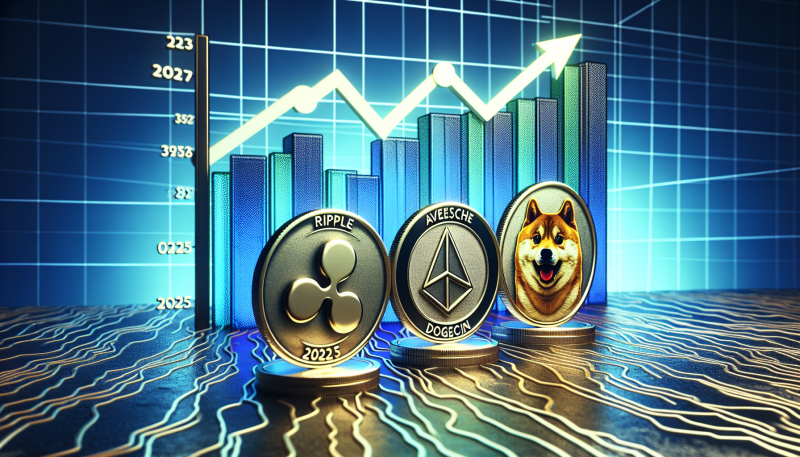
  • AI Model Predicts Bullish Growth for Ripple, Avalanche, and Dogecoin Through 2025

    AI Model Predicts Bullish Growth for Ripple, Avalanche, and Dogecoin Through 2025

    What happened?

    DeepSeek China has developed a new AI model that predicts significant growth for Ripple (XRP), Avalanche (AVAX), and Dogecoin (DOGE) through the end of 2025. Despite a recent market correction, their model remains optimistic about a bullish trend for these cryptocurrencies. Bitcoin hit a new all-time high in August, and Ethereum has also seen major gains, further supporting a positive outlook in the crypto market.

    Who does this affect?

    These predictions primarily impact investors and traders looking at Ripple, Avalanche, and Dogecoin as potential investment opportunities. The broader cryptocurrency community is also affected, as these predictions could influence market sentiment and trading behaviors. Institutional players and companies involved in emerging technologies like blockchain might be particularly interested in these developments.

    Why does this matter?

    The predictions by DeepSeek’s AI model could significantly influence market dynamics, drawing more investors toward the highlighted cryptocurrencies. With anticipated ETF approvals and lighter regulations, the market may experience increased liquidity and innovation. These factors could collectively drive another bullish run, potentially leading to substantial returns for investors closely monitoring these digital assets.
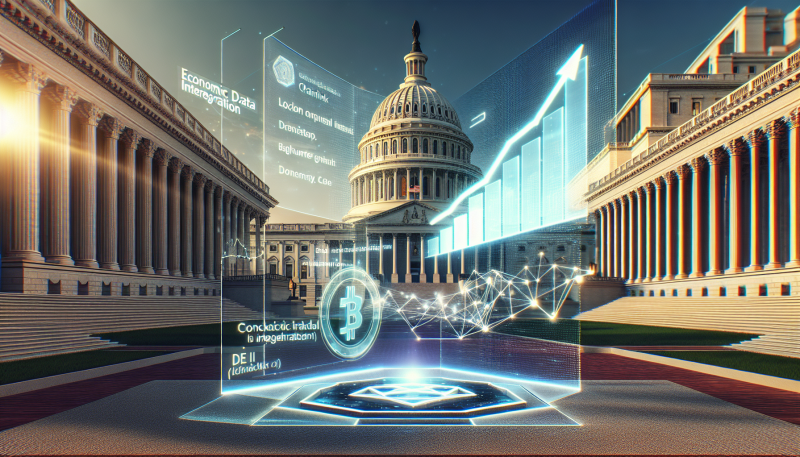

  • U.S. Government Partners with Chainlink to Integrate Economic Data into Blockchain, Boosting DeFi and LINK Price Projections

    U.S. Government Partners with Chainlink to Integrate Economic Data into Blockchain, Boosting DeFi and LINK Price Projections

    What happened?

    The U.S. government has teamed up with Chainlink to bring official economic data onto blockchain networks, which has resulted in bullish projections for Chainlink’s price. This collaboration integrates the Bureau of Economic Analysis’ data across ten major blockchains, aiming for macro-driven decentralized finance (DeFi). Such integration allows for real-time and tamper-proof access to government economic figures directly on-chain, eliminating the need for intermediaries.

    Who does this affect?

    This partnership primarily impacts developers and institutions involved in blockchain technology and decentralized finance. By providing real-time access to economic indicators like GDP and inflation, it enables the creation of new financial products such as inflation-linked digital assets and prediction markets. Additionally, it positions Chainlink as a critical player for projects looking to incorporate reliable economic data into their decentralized applications.

    Why does this matter?

    The integration of U.S. economic data into blockchain networks is expected to have significant market implications by boosting institutional confidence and potentially increasing adoption of Chainlink. As Chainlink evolves into a more attractive platform for building applications, the value of its native token, LINK, could experience substantial growth, with predictions suggesting a possible 10x rally. Enhanced data availability can drive innovation and expand the utility of DeFi ecosystems, impacting overall market dynamics.

  • Selective Interest in Altcoin Season: Investors Target Practical Use Cases Over Speculation

    Selective Interest in Altcoin Season: Investors Target Practical Use Cases Over Speculation

    What happened?

    Altcoin season is showing uneven interest as traders focus on specific coins like Pyth, Pump.fun, and Four. These tokens are gaining traction due to factors like infrastructure use, memecoin creation, and GameFi involvement. The selective interest highlights that investors are targeting platforms with ongoing activity rather than speculative gains.

    Who does this affect?

    This trend affects investors and traders looking for strategic opportunities in the altcoin market. Those invested in Pyth, Pump.fun, and Four may see benefits from the increased attention and trading activity around these tokens. Developers and platforms utilizing these tokens could also experience enhanced network engagement and user adoption.

    Why does this matter?

    The focus on Pyth, Pump.fun, and Four illustrates a shift towards value-aligned investments based on usage and community engagement. Pyth’s role in providing real-time price feeds, Pump.fun’s token creation platform, and Four’s GameFi ecosystem each represent distinct market niches. This selective flow can lead to a more stable market impact as tokens tied to practical uses gain popularity during altseason.

  • Cardano’s Price Decline Amid Predictions of Traditional Banking Downfall

    Cardano’s Price Decline Amid Predictions of Traditional Banking Downfall

    What happened?

    Cardano’s price dropped to $0.825, showing a 4.5% decline over the past day and a 13% fall in two weeks. Despite this drop, Cardano still shows a 7% gain in a month and an impressive 128% increase over the year. The decline follows remarks from founder Charles Hoskinson predicting the downfall of traditional financial systems like SWIFT in favor of more efficient alternatives.

    Who does this affect?

    This affects investors holding the altcoin ADA, traders watching cryptocurrency trends, and financial institutions potentially threatened by blockchain technologies. Cardano’s price fluctuations impact market confidence and could influence new investments or withdrawals. Hoskinson’s comments might also impact stakeholders in traditional banking systems who may feel pressure from emerging fintech.

    Why does this matter?

    The decline in Cardano’s price amid bold claims from its founder reflects broader market volatility and investor sentiment. If Hoskinson’s predictions about traditional banking systems being replaced hold true, Cardano and similar cryptocurrencies might see increased adoption and demand. For now, market participants are likely to watch closely for signs of recovery in ADA’s price or further dips, impacting trading strategies and portfolio decisions.

  • Ethereum Soars Over 200%: Wall Street’s Chosen Token Set for New Heights

    Ethereum Soars Over 200%: Wall Street’s Chosen Token Set for New Heights

    What happened?

    Ethereum has recently experienced a significant price surge, increasing over 200% in recent months and reaching an all-time high before pulling back slightly. Jan van Eck, CEO of VanEck, has declared Ethereum as “Wall Street’s chosen token,” suggesting its growing importance in the financial sector. This follows predictions from various analysts that Ethereum could reach new highs, with VanEck anticipating a bull market leading to Ethereum trading above $6,000.

    Who does this affect?

    This development primarily affects investors, traders, and institutions involved in the cryptocurrency market. With Ethereum becoming a preferred choice for Wall Street and the financial sector, traditional financial institutions and banks may need to consider strategic moves involving Ethereum and stablecoins. Additionally, retail investors watching crypto trends might see this as an opportunity to invest in Ethereum as it garners more institutional support.

    Why does this matter?

    The predicted rise of Ethereum and declarations from major asset managers highlight a broader acceptance and integration of cryptocurrencies in mainstream finance. This could trigger a shift in market dynamics, driving more investments into Ethereum and potentially boosting its market capitalization significantly. As these trends continue, other cryptocurrencies may also experience similar growth, influencing overall market sentiment and stability.

  • Eliza Labs Sues X Corp Over Allegations of Anti-Competitive Practices and Technology Theft

    Eliza Labs Sues X Corp Over Allegations of Anti-Competitive Practices and Technology Theft

    What happened?

    Eliza Labs has filed a lawsuit against X Corp, claiming that the company, owned by Elon Musk, is using its dominant platform position to suppress competition and copy Eliza’s AI technology. According to the lawsuit, X Corp demanded Eliza Labs pay $600,000 annually for a license, and when they refused, X suspended their account. The complaint alleges that X used this opportunity to replicate Eliza’s no-code AI tools for its own benefit.

    Who does this affect?

    This legal battle directly impacts Eliza Labs and its founder Shaw Walters, as their operations are disrupted due to the suspension. It also affects other tech companies and startups using X’s platform who might fear similar anti-competitive practices. Consumers and developers using Eliza’s AI tools might experience interruptions or changes in service availability as the lawsuit unfolds.

    Why does this matter?

    The outcome of this lawsuit could have significant implications for how big tech companies use their market power to influence smaller competitors. If Eliza Labs proves its case, it might lead to increased scrutiny and regulation of large platforms like X Corp, potentially altering the competitive landscape in the AI industry. Investors and stakeholders in tech companies will be watching closely, as the decision could impact stock prices and business strategies across the sector.

  • South Korean Police Dismantle Major Hacking Ring Targeting Wealthy Individuals, Including BTS Member Jungkook

    South Korean Police Dismantle Major Hacking Ring Targeting Wealthy Individuals, Including BTS Member Jungkook

    What happened?

    South Korean police dismantled an international hacking ring that stole nearly 39 billion won ($28.1 million) from some of the nation’s wealthiest individuals, including BTS member Jungkook. The Seoul Metropolitan Police Agency arrested 16 suspects involved in the hacking, with charges including large-scale fraud and violations of network laws. This group used SIM-swap tactics to exploit system vulnerabilities and gain unauthorized access to financial accounts.

    Who does this affect?

    The victims of this hacking scheme include high-profile figures such as businesspeople, lawyers, celebrities, athletes, and virtual asset investors. In total, 258 individuals had their personal data compromised, leading to significant financial losses. Notably, the hackers targeted wealthy individuals who were less likely to notice unauthorized activities, like those serving prison sentences or in military service.

    Why does this matter?

    This incident highlights the insecurity of digital systems and the growing threat of cybercrime in South Korea, impacting confidence in non-face-to-face authentication methods. The success of these hackers in breaching systems poses significant risks for financial markets, especially as the country sees rising crypto adoption. Authorities are urged to strengthen security measures to protect financial transactions and maintain market integrity in the face of increasing fraud incidents.

  • SEC Review of 92 Crypto ETFs Could Spark Altcoin Rally and Boost Market Liquidity

    SEC Review of 92 Crypto ETFs Could Spark Altcoin Rally and Boost Market Liquidity

    What happened?

    A significant number of 92 crypto exchange-traded funds (ETFs) are currently in line for review by the U.S. Securities and Exchange Commission (SEC), according to ETF analyst James Seyffart. The majority of these ETF applications, which prominently feature Solana and XRP, are approaching their final decision deadlines in October. This surge in applications reflects a growing interest in alternative cryptocurrencies beyond Bitcoin and Ethereum.

    Who does this affect?

    The pending ETF decisions have major implications for traders, institutional investors, and the broader crypto market. Companies like Grayscale and 21Shares, who are pursuing approval for various crypto ETFs, stand to significantly benefit if these are approved. Additionally, cryptocurrencies involved in these ETFs, such as Solana, XRP, and others, may see increased capital inflow and investor interest.

    Why does this matter?

    The potential approval of these crypto ETFs could lead to increased investment and liquidity in the crypto market, potentially sparking an altcoin rally. This development signals growing institutional interest and legitimization of alternative cryptocurrencies, which can impact market dynamics and investor behavior. The outcome of the SEC’s decisions may also influence the future direction of product innovation within the financial markets, especially in integrating DeFi capabilities with traditional finance.

  • Arthur Hayes Declares Ethena’s ENA Token a “Once in a Century” DeFi Opportunity Amid Market Volatility

    Arthur Hayes Declares Ethena’s ENA Token a “Once in a Century” DeFi Opportunity Amid Market Volatility

    What happened?

    Crypto billionaire Arthur Hayes has described Ethena’s ENA token as a “once in a century” DeFi opportunity, suggesting significant positive potential for its price. Despite initially being overlooked due to market focus on U.S. interest rate cuts, ENA has surged over 14% following Hayes’ endorsement. However, the August 28 PCE inflation data could introduce short-term volatility that may affect expectations around interest rates.

    Who does this affect?

    This development primarily impacts investors and traders interested in cryptocurrencies, especially those focused on decentralized finance (DeFi) and stablecoins. Market participants eyeing the growth of the stablecoin sector, particularly those monitoring Ethena’s USDe product, are also affected. Additionally, financial institutions and retail participants interested in the regulatory landscape surrounding the stablecoin market should pay attention.

    Why does this matter?

    The highlighted developments in Ethena’s trajectory hold significant implications for the broader crypto market, particularly within the DeFi sector. A growing stablecoin ecosystem and regulatory clarity could foster institutional interest, potentially redistributing capital within the market. If Ethena captures anticipated growth, it could ignite substantial momentum across connected tokens, influencing market sentiment and investment strategies.

  • JPMorgan Report Suggests Bitcoin Undervalued Compared to Gold as Volatility Decreases

    JPMorgan Report Suggests Bitcoin Undervalued Compared to Gold as Volatility Decreases

    What happened?

    JPMorgan released a report suggesting that Bitcoin is currently undervalued compared to gold, highlighting its decreased volatility and potential for more upside, especially as institutional interest in the cryptocurrency grows. The report notes that Bitcoin’s six-month rolling volatility has dropped significantly from nearly 60% at the beginning of 2025 to about 30%, marking its lowest level on record. This decrease in volatility has narrowed the gap with gold, historically known for its stability.

    Who does this affect?

    This development primarily affects investors, both retail and institutional, interested in Bitcoin and other cryptocurrencies. Institutional investors, corporate treasuries, and Wall Street firms are particularly impacted, as they are increasingly recognizing Bitcoin as a digital reserve asset comparable to gold. Companies like Metaplanet and Kindly MD have expanded their Bitcoin holdings amid this shifting perception, potentially influencing how other firms approach cryptocurrency investments.

    Why does this matter?

    With Bitcoin being identified as undervalued relative to gold, there could be a significant impact on the market as more investors may consider increasing their exposure to Bitcoin. This perception of undervaluation suggests potential price increases in the cryptocurrency market, which can lead to heightened activity and investment. The report indicates that if Bitcoin’s market cap adjusted for volatility matches gold’s, its price could increase to around $126,000, driving both confidence and caution among market participants speculating on future cryptocurrency trends.