Category: News

  • Surge in Ethereum Interest Signals Potential Shift in Cryptocurrency Investment Trends

    Surge in Ethereum Interest Signals Potential Shift in Cryptocurrency Investment Trends

    What happened?

    Global search interest for Ethereum has surged, reaching its highest point since 2021. This rise in attention aligns with Ethereum’s recent price increase to $4,670, which is within 5% of its all-time high from November 2021. The heightened interest comes alongside significant institutional activity, boosting Ethereum’s visibility and value in the market.

    Who does this affect?

    The surge in Ethereum interest affects a wide range of stakeholders including individual investors, institutional investors, and companies integrating Ethereum into their financial strategies. Countries like North Macedonia, Switzerland, Singapore, Slovenia, and Austria are leading in search interest, showing global curiosity. Both retail traders and large investors are closely monitoring Ethereum’s performance as it approaches historical highs.

    Why does this matter?

    The increased interest in Ethereum is significant for the market as it indicates potential shifts in investment behavior towards cryptocurrencies. Institutional inflows, along with bullish technical signals, suggest strong momentum that could lead to capital rotation into the wider altcoin market. With Ethereum nearly reaching its all-time high and search engagement rising, it could influence broader trends in digital asset investments, impacting market dynamics and future valuations.


  • US Banking Associations Push Congress to Address Stablecoin Yield Loophole in GENIUS Act

    US Banking Associations Push Congress to Address Stablecoin Yield Loophole in GENIUS Act

    What happened?

    Major US banking associations are urging Congress to address a loophole in the GENIUS Act that they believe allows stablecoin issuers to offer yields indirectly through affiliates. This loophole could enable stablecoin providers to bypass restrictions on paying interest, which could disrupt traditional banking operations. The banks emphasize that stablecoins should not pay interest akin to highly regulated bank deposits or money market funds, as they don’t engage in lending or investment activities.

    Who does this affect?

    This affects banks, stablecoin issuers, and consumers who use stablecoins for financial transactions. Banks are concerned about the potential outflow of deposits as investors might shift to yield-bearing stablecoins. Stablecoin issuers like Tether and USDC may be impacted by any new regulations that tighten control over how they operate and offer incentives.

    Why does this matter?

    The shift toward yield-bearing stablecoins could trigger up to $6.6 trillion in deposit outflows from traditional banks, potentially impacting the broader financial market. Such outflows might lead to higher interest rates, reduced loan availability, and increased borrowing costs for businesses and households. Closing the regulatory gap is crucial to preventing disruptions in the financial system and maintaining stability in credit markets.

  • Grayscale Moves to Launch Cardano and Hedera Spot ETFs, Expanding Altcoin Investment Options

    Grayscale Moves to Launch Cardano and Hedera Spot ETFs, Expanding Altcoin Investment Options

    “`html

    What happened?

    Grayscale Investments has registered new statutory trusts in Delaware for Cardano and Hedera, suggesting plans to launch spot exchange-traded funds (ETFs) for these digital assets. The filings are part of a process often used by Grayscale before officially submitting applications to the US SEC to begin trading. This marks Grayscale’s first ETF registrations for Cardano and Hedera, expanding their suite of altcoin investment products.

    Who does this affect?

    This development primarily affects investors looking to gain exposure to Cardano and Hedera through traditional market structures rather than direct cryptocurrency purchases. Institutional investors, in particular, may find these ETFs appealing as they offer regulated investment opportunities in altcoins. It also impacts the broader cryptocurrency market, especially stakeholders interested in the growing trend of altcoin-based ETFs.

    Why does this matter?

    The introduction of Cardano and Hedera ETFs by Grayscale could significantly impact the market by increasing liquidity and investor engagement for these tokens. As regulatory environments become more favorable, with recent SEC shifts supporting crypto ETFs, such initiatives could pave the way for greater institutional investment in altcoins. Successful approval and launch would mark a milestone for the diversification of crypto investment options within regulated frameworks.

    “`

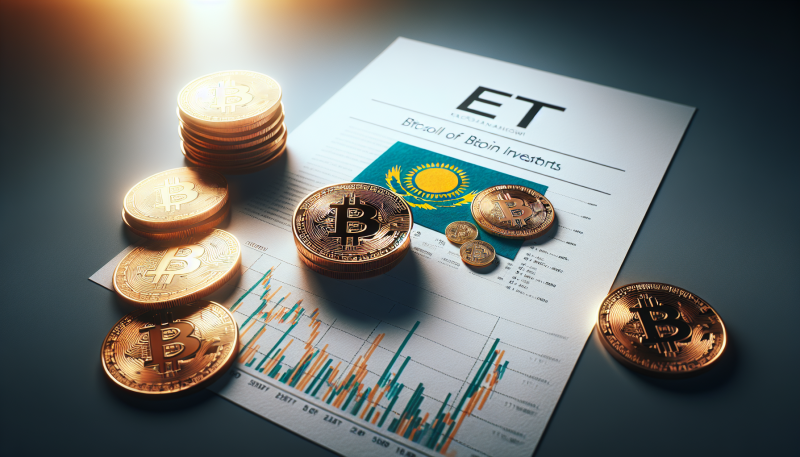
  • Kazakhstan Launches First Spot Bitcoin ETF, Expanding Investment Opportunities in Central Asia

    Kazakhstan Launches First Spot Bitcoin ETF, Expanding Investment Opportunities in Central Asia

    What happened?

    An investment firm called Fonte Capital is launching a Bitcoin exchange-traded fund (ETF) in Kazakhstan on the Astana International Exchange. This ETF, known as the Fonte Bitcoin Exchange Traded Fund OEIC, will start trading under the ticker BETF and is quoted in US dollars. It is Central Asia’s first spot Bitcoin ETF, meaning it will directly reflect the price changes of Bitcoin.

    Who does this affect?

    This launch affects a broad range of investors including retail participants who can now access Bitcoin through a regulated ETF. It also impacts the crypto market in Kazakhstan by providing a new financial product within the region’s regulatory framework. Additionally, stakeholders in Kazakhstan’s emerging digital asset ecosystem, including potential specialists in compliance and blockchain analytics, are affected as the demand for such roles may grow.

    Why does this matter?

    The introduction of this Bitcoin ETF in Kazakhstan signifies the country’s move to align with global leaders like the US and Hong Kong that have adopted similar financial products. It opens up new investment opportunities, allowing more people to invest in Bitcoin without directly buying or managing the cryptocurrency themselves. This could lead to increased liquidity and cash inflows into Kazakhstan’s financial markets, potentially boosting the region’s economic influence in the digital asset space.

  • Ethereum Leads Cryptocurrency Surge with Over 8% Increase, Signaling Market Optimism

    What happened?

    The cryptocurrency market is experiencing a strong upward movement, with Ethereum taking the lead by increasing over 8% in the past 24 hours. Ethereum’s price is nearing $4,700 after briefly surpassing $4,600, signaling positive momentum across the market. Other notable gains include Solana increasing by 9.97%, Chainlink by 10.38%, and Fartcoin soaring by 18.39%.

    Who does this affect?

    This development affects a wide range of stakeholders in the crypto ecosystem, including individual investors, traders, and institutional participants who hold or trade Ethereum and other cryptocurrencies. Investors in Layer1, Layer2, DeFi, and Meme tokens, as well as those in the AI sector with interests in Bittensor and Render, would also be impacted by these gains. Additionally, it affects analysts and market observers who track cryptocurrency trends and valuations for strategic decision-making.

    Why does this matter?

    The recent bullish signals in the crypto market could signify renewed investor confidence and potentially herald a broader market rally, impacting overall market dynamics. Such movements often lead to increased trading volumes, attracting new investors and influencing market sentiment positively. Furthermore, significant gains like these can encourage further adoption of cryptocurrencies, while affecting pricing strategies and investment portfolios in both the retail and institutional sectors.

  • Ether Surges 7% as Institutional Demand Drives Price Near All-Time High

    Ether Surges 7% as Institutional Demand Drives Price Near All-Time High

    What happened?

    Ether, the native cryptocurrency of Ethereum, saw a significant increase, rising by as much as 7% to reach $4,624. This rally places Ether just 5.4% away from its all-time high set in November 2021. The surge is largely driven by increasing demand from institutional investors and corporate treasuries.

    Who does this affect?

    The increase in Ether’s value greatly impacts institutional investors and corporate entities that are heavily investing in Ethereum. Entities like Bitmine Immersion Tech and SharpLink Gaming have significantly increased their holdings, showcasing how companies are strategically leveraging Ether. Additionally, the Ethereum Foundation and other crypto-focused firms see changes in their portfolios as Ethereum’s market dynamics shift.

    Why does this matter?

    The market impact of Ether’s rise is substantial as it signals increasing institutional adoption and confidence in Ethereum’s ecosystem, potentially paving the way for further investment and higher prices. With Ethereum playing a crucial role in decentralized finance and other blockchain initiatives, its strong performance contrasts Bitcoin’s stability and could signify a shift toward altcoins. This movement affects the overall cryptocurrency market, contributing to a broader market capitalization increase and reinforcing bullish trends in crypto assets.

  • Ethereum Price Soars to $4,410 Amidst Record Institutional ETF Inflows

    Ethereum Price Soars to $4,410 Amidst Record Institutional ETF Inflows

    What happened?

    Ethereum’s price surged to $4,410, marking a significant 4.36% increase and bringing it within 9% of its all-time high. This rise was driven by large institutional ETF inflows totaling $1.01 billion in a single day, indicating strong market interest. Technical indicators from ChatGPT’s analysis suggest Ethereum is experiencing powerful momentum, with the potential for further gains or an overbought correction.

    Who does this affect?

    This development affects a wide range of stakeholders including investors, traders, and institutions involved in cryptocurrency markets. Individual investors could see new opportunities for gains while facing risks from possible market corrections. Institutional entities like Bitmine are also reacting by planning large Ethereum acquisitions, reflecting a broader corporate strategy shift toward digital assets.

    Why does this matter?

    The surge in Ethereum highlights its growing significance as a leading digital asset, potentially influencing the broader cryptocurrency market. It showcases increased institutional interest, which can drive further price increases or result in speculative bubbles. Such movements may impact market stability, trader sentiment, and the adoption rate of Ethereum as a technological platform for blockchain applications.

  • Gangnam District Launches Crypto Crackdown on Tax Evaders, Seizing 340 Million Won

    Gangnam District Launches Crypto Crackdown on Tax Evaders, Seizing 340 Million Won

    What happened?

    Gangnam district in Seoul intensifies its efforts to confiscate cryptocurrency from tax evaders, seizing 340 million won ($244,796) since late last year. This crackdown targets residents who have not paid local taxes, including property taxes, by freezing their crypto assets. The initiative has successfully prompted many residents to settle their outstanding tax bills to avoid losing their crypto holdings.

    Who does this affect?

    The crackdown primarily affects Gangnam residents, particularly those who own significant amounts of cryptocurrency and have unpaid taxes. These residents include some of the wealthiest individuals in East Asia, as well as major players in South Korea’s crypto and blockchain sectors. The initiative also impacts other districts in Seoul as similar strategies may be adopted city-wide.

    Why does this matter?

    This initiative underscores the increasing scrutiny on cryptocurrency usage as governments seek to ensure tax compliance and revenue collection. It highlights a shift towards more stringent regulations for crypto assets, which could influence how investors and companies manage their digital currencies. The market could experience increased volatility as authorities continue to target crypto holders for unpaid taxes, potentially leading to higher levels of liquidations.

  • Do Kwon Pleads Guilty to Fraud Charges, Faces 12-Year Sentence and Major Financial Penalties

    Do Kwon Pleads Guilty to Fraud Charges, Faces 12-Year Sentence and Major Financial Penalties

    “`html

    What happened?

    Terraform Labs co-founder Do Kwon pleaded guilty to two felony counts of wire fraud and conspiracy to defraud in a U.S. court. He had initially pleaded not guilty but changed his stance as part of a plea deal. Under the agreement, prosecutors will recommend a 12-year prison sentence and more than $19 million in financial penalties, with sentencing set for December 11.

    Who does this affect?

    This case directly affects Do Kwon, his company Terraform Labs, and their investors who suffered losses from the collapse of TerraUSD. The guilty plea could also impact other companies and individuals involved in similar cases, serving as a precedent. Additionally, it affects the broader crypto community by highlighting regulatory scrutiny and legal consequences for fraudulent activities.

    Why does this matter?

    The legal proceedings have significant implications for the cryptocurrency market, signaling increased regulatory enforcement against fraudulent practices. The TerraUSD collapse wiped out tens of billions in value, affecting market stability and investor confidence. Kwon’s plea and potential imprisonment could deter other potential fraudulent actors in the crypto space, impacting future market dynamics and regulatory frameworks.

    “`

  • Bitcoin Prices Edge Up Amid Inflation Data and Speculation of Fed Rate Cut

    Bitcoin Prices Edge Up Amid Inflation Data and Speculation of Fed Rate Cut

    What happened?

    Bitcoin prices have risen slightly, currently trading at $119,745, following the release of new U.S. inflation data. July’s Consumer Price Index (CPI) showed a 0.2% increase, which is in line with expectations, while the core CPI—excluding food and energy—saw its largest monthly gain since January. Despite ongoing concerns about data quality due to budget constraints at the Bureau of Labor Statistics, there is speculation about a potential rate cut by the Federal Reserve in September.

    Who does this affect?

    This situation primarily affects Bitcoin traders and investors who may see fluctuations in cryptocurrency prices as a result of market reactions to economic data. It also impacts financial analysts and policymakers who are closely monitoring inflation trends and Federal Reserve decisions. Additionally, the broader financial market participants are affected as they integrate these economic indicators into their investment strategies and expectations.

    Why does this matter?

    The potential rate cut by the Federal Reserve holds significant implications for the financial markets, including cryptocurrencies like Bitcoin. Lower interest rates could drive more investment into riskier assets such as Bitcoin, potentially pushing its price higher. On the other hand, persistent inflation concerns might lead to caution among investors, affecting overall market sentiment and volatility in asset prices.