Category: News

  • Bitcoin Faces Critical Support Test Amid Significant ETF Outflows and Regulatory Scrutiny

    Bitcoin Faces Critical Support Test Amid Significant ETF Outflows and Regulatory Scrutiny

    “`html

    What happened?

    Bitcoin is experiencing a critical test of its $112,650 support level due to a decline in price and significant ETF outflows. The current price has dropped by 1.46% to $113,155, with ETFs seeing massive outflows amounting to $333 million. This situation comes as Indonesia explores the idea of adopting Bitcoin as part of its national reserves.

    Who does this affect?

    The situation impacts various stakeholders, including Bitcoin investors, traders, and those involved in ETF investments. Institutional players are significantly affected as their confidence in the long-term sustainability of Bitcoin’s price is tested. Additionally, countries such as Indonesia considering Bitcoin for monetary policy or reserves could also be influenced by these developments.

    Why does this matter?

    The market impact is considerable as the ETF outflows indicate a lack of confidence among institutional investors, which could lead to further price declines or volatility. The ongoing scrutiny and potential regulatory progress could either stabilize or destabilize the market depending on policy outcomes. The balance between institutional selling and sovereign demand will play a key role in determining Bitcoin’s future price trajectory.

    “`

  • Dogecoin Poised for Bull Run Amid Favorable Market Conditions and Potential Rate Cuts

    Dogecoin Poised for Bull Run Amid Favorable Market Conditions and Potential Rate Cuts

    What happened?

    The pseudonymous analyst Cantonese Cat has suggested that Dogecoin (DOGE) might be poised for a bull run due to favorable risk-reward conditions. Despite macroeconomic concerns dampening enthusiasm for riskier assets like meme coins, an 8% rebound over the weekend indicates potential momentum for DOGE. Additionally, a potential rate cut in September could result in increased investments in cryptocurrencies as borrowing costs decrease.

    Who does this affect?

    This development primarily affects cryptocurrency investors and traders who are interested in Dogecoin, particularly those engaging in leveraged trading. It also impacts broader market participants who monitor regulatory impacts, such as the return of tariffs on various countries, which could influence risk sentiment. Traders on platforms like Binance are already positioning for a bullish continuation, indicating a broad interest in the potential upside for DOGE.

    Why does this matter?

    The anticipation of a continued DOGE bull run could significantly influence the cryptocurrency market, drawing in new capital and impacting other digital assets, primarily meme coins. If Dogecoin sustains its upward trajectory, it may signal a shift in market sentiment towards more speculative investments, balancing out the cautious approach prompted by upcoming tariffs. The market dynamics with high leverage options and trading platforms might amplify these effects, providing rapid gains or losses depending on the movement of DOGE prices.

  • Lancashire Police Secure £500,000 Bitcoin Forfeiture to Fund Crime Prevention Initiatives

    Lancashire Police Secure £500,000 Bitcoin Forfeiture to Fund Crime Prevention Initiatives

    What happened?

    The Lancashire Police secured a forfeiture order involving Bitcoin linked to a 2017 fraud case, resulting in £500,000 being reinvested in crime prevention. The police applied a crypto wallet freezing order under the Proceeds of Crime Act for the first time. This action led to the victim being repaid in full, with excess funds channeled towards a national innovation fund for crime prevention.

    Who does this affect?

    This affects the Lancashire community and victims of such fraud, as the funds will be used for local safety initiatives. It sets a precedent for law enforcement in handling digital assets from criminal activity. Additionally, it impacts those involved in cryptocurrency-related crimes, demonstrating increased law enforcement capability to manage and redistribute seized digital assets.

    Why does this matter?

    This development could significantly impact the market by showing that law enforcement can effectively seize and repurpose cryptocurrency, which may deter financial crimes involving digital assets. It signals increased regulatory oversight and sophistication in managing digital currencies. By reinvesting seized funds into community safety, there is potential for reduced crime rates and improved public safety, ultimately impacting the broader cryptocurrency market’s reputation and integration into the legal framework.

  • Pump.fun’s $PUMP Token Recovers Amid Legal Challenges and Strategic Moves

    Pump.fun’s $PUMP Token Recovers Amid Legal Challenges and Strategic Moves

    What happened?

    Pump.fun’s $PUMP token rebounded by 5.5% to reach $0.003154 after experiencing a significant 67% crash following its launch. This recovery was supported by increased whale activity and strategic buybacks, despite facing a billion-dollar lawsuit. The platform is also expanding its ecosystem by acquiring Kolscan, an on-chain wallet tracking tool, to enhance investor confidence.

    Who does this affect?

    This situation impacts both current and potential investors as they assess the risks and opportunities associated with $PUMP. Stakeholders in the broader crypto market might also feel the ripple effects, particularly those involved in meme coins and similar ventures. Additionally, competitive platforms like LetsBonk.fun are closely monitoring Pump.fun’s moves as they compete in the meme launchpad space.

    Why does this matter?

    The developments around Pump.fun highlight significant implications for the crypto market, influencing investor sentiment and market dynamics. As venture firms show interest and derivatives activities rise, Pump.fun’s situation could indicate broader trends in market recovery efforts amid legal and competitive challenges. Moreover, the resolution of its legal issues and ability to maintain market share will be crucial in setting precedents for other emerging crypto projects.

  • SEC Clarifies Liquid Staking Activities Are Not Securities, Boosting Crypto Market Confidence

    SEC Clarifies Liquid Staking Activities Are Not Securities, Boosting Crypto Market Confidence

    What happened?

    The SEC issued a statement clarifying that liquid staking activities and their corresponding receipt tokens are not classified as securities, provided specific conditions are met. Liquid staking allows users to stake assets with a provider and receive tokens in return, which can then be used for other purposes while maintaining liquidity. This decision is based on the understanding that these activities don’t meet the legal definition of a securities offering as long as the assets themselves are not securities.

    Who does this affect?

    This clarification from the SEC impacts crypto investors, liquid staking providers, and developers within the blockchain and cryptocurrency ecosystems. Users engaged in liquid staking now have clearer guidance on regulatory compliance, which means they can continue participating without fear of falling foul of securities laws. Providers and platforms facilitating liquid staking benefit from an affirmed operational certainty, reducing potential legal risks.

    Why does this matter?

    This decision has significant market implications as it potentially increases confidence in liquid staking and similar crypto innovations. By clarifying that these activities aren’t classified as securities under certain structures, the SEC reduces regulatory uncertainty, which can lead to increased participation and innovation in the crypto markets. The move aligns with broader initiatives like Project Crypto, which aims to modernize securities regulations and promote the U.S. as a leader in digital finance.

  • Litecoin Surges 3% Amid ETF Speculation and DeFi Adoption

    Litecoin Surges 3% Amid ETF Speculation and DeFi Adoption

    What happened?

    Litecoin’s price has climbed 3% to $122, driven by speculation about an ETF and growing adoption in the DeFi space. With a daily trading volume reaching $1 billion, Litecoin is gaining momentum as institutional interest grows. The cryptocurrency continues to strengthen its position in the payment sector despite recent volatility in its price action.

    Who does this affect?

    This development affects both retail and institutional investors interested in cryptocurrencies, particularly those focusing on payment solutions. Users who frequently engage in crypto transactions benefit from Litecoin’s fast transaction times and low fees, making it an appealing option for everyday payments. Additionally, miners and companies using point-of-sale systems can take advantage of Litecoin’s growing popularity as a payment method.

    Why does this matter?

    The increased interest in Litecoin has implications for the broader market, potentially boosting confidence in cryptocurrencies used for payments. A successful ETF and increased DeFi adoption could drive more investments into Litecoin, enhancing its market presence and pushing its price even higher. As institutional players like MEI Pharma start allocating significant funds to Litecoin, the cryptocurrency’s perceived value and legitimacy in financial strategies are likely to rise, impacting overall market dynamics.

  • Emerging Trends in Altcoin Season: Opportunities Beyond Bitcoin

    Emerging Trends in Altcoin Season: Opportunities Beyond Bitcoin

    What happened?

    The talk of an altcoin season is intensifying as traders look beyond Bitcoin for opportunities. The Altcoin Season Index remains below 40, indicating that the market isn’t fully rotated yet. Despite this, Shiba Inu, Dogecoin, and Cardano are showing selective growth, suggesting a unique stage in the cycle.

    Who does this affect?

    This affects cryptocurrency investors and traders who are exploring options beyond Bitcoin. It particularly impacts those holding or interested in altcoins like Shiba Inu, Dogecoin, and Cardano. Institutional investors and retail traders alike are assessing these changes to optimize their portfolios during this potential altcoin season.

    Why does this matter?

    The changes in altcoin dynamics can have significant market impacts, such as shifting liquidity and altering investment strategies. With specific tokens like SHIB, DOGE, and ADA leading selective rotations, traders might realign their investments to capitalize on these conditions. Understanding these patterns could provide insights into broader market trends and future altcoin growth potential.

  • Mantle’s $MNT Token Soars 15.6%, Highlighting Growing Confidence in Layer-2 Solutions

    Mantle’s $MNT Token Soars 15.6%, Highlighting Growing Confidence in Layer-2 Solutions

    What happened?

    The $MNT token experienced a significant increase, jumping 15.6% to reach $0.91 as trading activity surged on the Mantle network. Despite some technical indicators suggesting this rise might be excessive, Mantle’s network has been gaining traction due to important upgrades and new partnerships. This growth comes as Mantle competes in Ethereum’s Layer-2 scaling space, making significant progress in enhancing data availability and security.

    Who does this affect?

    This development affects cryptocurrency traders, the Mantle community, and developers interested in DeFi, gaming, and AI projects. Users on the Mantle network benefit from new features like improved transaction processing and security. The broader crypto market, especially those looking at Ethereum’s Layer-2 solutions, could also be impacted as Mantle positions itself as a key player with its recent advancements.

    Why does this matter?

    The surge in Mantle’s $MNT token reflects growing interest and confidence in its Layer-2 solution, which could influence Ethereum’s scaling dynamics and the broader DeFi market. With a market cap reaching $2.95 billion, Mantle is establishing itself among the top Layer-2 solutions, potentially challenging other prominent networks. This momentum, if sustained, could attract more investors and developers, influencing market trends and competitive dynamics in the blockchain sector.

  • U.S. Treasury Warns of Cryptocurrency Kiosk Fraud as Victims Lose $247 Million

    U.S. Treasury Warns of Cryptocurrency Kiosk Fraud as Victims Lose $247 Million

    What happened?

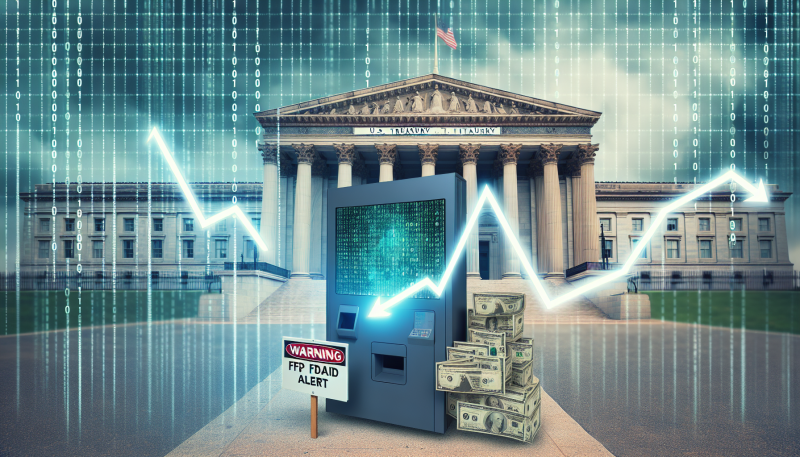
    The U.S. Treasury’s Financial Crimes Enforcement Network (FinCEN) issued a notice warning financial institutions about cryptocurrency kiosk fraud after victims lost $247 million through Bitcoin ATM scams. The notice emphasized that criminals are exploiting emerging technologies like crypto kiosks to steal money. This alert encourages financial institutions to be vigilant in identifying and reporting suspicious activities associated with convertible virtual currency kiosks.

    Who does this affect?

    The alert primarily affects older adults, who bear a disproportionate impact from these scams. Fraudsters often target elderly individuals through tech support scams, customer service impersonations, and bank impostor schemes, using Bitcoin ATMs as payment portals. Reports show that victims over 60 account for more than two-thirds of all Bitcoin ATM fraud losses, with significant median financial losses per incident.

    Why does this matter?

    This issue has significant implications for the market as it highlights global efforts to regulate cryptocurrency ATMs amidst mounting fraud losses. Different jurisdictions are implementing measures like banning crypto ATMs, imposing cash limits, and requiring enhanced monitoring, which could impact crypto market accessibility. As regulatory scrutiny intensifies, businesses operating in the crypto space may face increased compliance costs and operational changes to mitigate fraud risks while ensuring consumer access to digital asset services.

  • Solana Mobile Launches Second-Generation Seeker Smartphones, Targeting Cryptocurrency and Web3 Market

    Solana Mobile Launches Second-Generation Seeker Smartphones, Targeting Cryptocurrency and Web3 Market

    What happened?

    Solana Mobile has begun shipping its second-generation Seeker smartphones, with an initial pre-order batch of 150,000 devices being sent to customers in over 50 countries. The company announced that tens of thousands of units are currently making their way to buyers. These devices are priced between $450-$500 and include high-end features like a MediaTek 8-core processor, 8GB of RAM, and Web3-specific functionalities.

    Who does this affect?

    The Seeker smartphone launch impacts multiple groups, including the consumers who are purchasing these new devices, particularly those interested in cutting-edge technology and cryptocurrency integration. It also affects mobile industry competitors like Apple and Google, as Solana seeks to challenge their dominance with a decentralized device approach. Additionally, the rollout is significant for developers and users within the Solana ecosystem, as they gain access to a robust Web3 platform.

    Why does this matter?

    This launch marks a potential shift in the mobile market, introducing a decentralized model that could influence consumer expectations and industry standards. By targeting a cryptocurrency-native approach, Solana aims to capitalize on increasing interest in blockchain technology, which may drive demand for similar products. Market analysts see this move as potentially bolstering the value of SOL, with the rollout already contributing to a 2.12% increase in prices, signaling investor optimism about the device’s impact on Solana’s broader ecosystem.