Category: News

  • Cardano Price Surges Following Anticipation of Audit Report Addressing Allegations

    Cardano Price Surges Following Anticipation of Audit Report Addressing Allegations

    What happened?

    The Cardano price has surged by 4.5% in the past 24 hours, reaching $0.8939, following a tweet from founder Charles Hoskinson about the nearing completion of a long-awaited audit report. The report is expected to address allegations of Input Output, the main developer for Cardano, having allegedly embezzled 318 million ADA. Hoskinson previously denied these claims back in May, and the anticipation of the report has positively influenced Cardano’s recent price trends, which have seen a 17% rise in a week and a 53% increase in a month.

    Who does this affect?

    The developments primarily affect Cardano investors and stakeholders who are keen on the outcome of the audit report, which aims to clear the air regarding the alleged scandal. It also impacts developers and entities using the Cardano platform, as the resolution of these allegations could influence the network’s credibility and trust. Additionally, the general cryptocurrency community might view these developments as a case study for handling similar allegations within other blockchain projects.

    Why does this matter?

    This matter significantly impacts the cryptocurrency market as it may set a precedent for how allegations and audits are handled within blockchain communities. For Cardano, a favorable audit outcome could lead to further confidence in the project’s integrity, possibly attracting more investors and potentially driving the ADA price higher. Conversely, any adverse findings or further delays might create uncertainty and volatility in the Cardano market, affecting its price stability and future growth prospects.


  • Quantum Computing Poses Significant Threat to Bitcoin and Cryptocurrency Security

    Quantum Computing Poses Significant Threat to Bitcoin and Cryptocurrency Security

    What happened?

    A cybersecurity expert and CEO, David Carvalho, has raised alarms about the cryptocurrency industry being ill-prepared for the threat posed by quantum computing. He warns that quantum computers could soon break the cryptographic security of Bitcoin, compromising its entire system. Currently, strategies like “harvest now, decrypt later” are being employed, where encrypted data is collected to be decrypted by future quantum computers.

    Who does this affect?

    This development affects anyone involved in the cryptocurrency space, especially Bitcoin holders, miners, and node operators. Bitcoin addresses using older formats are particularly vulnerable to potential quantum attacks. It’s a significant concern for both individual investors and financial institutions that have integrated cryptocurrencies into their operations.

    Why does this matter?

    The potential impact on the market is considerable as the quantum threat challenges the foundational security assumptions of cryptocurrencies like Bitcoin. If the industry’s defenses against such threats are not fortified, it could lead to a collapse in trust and value in these digital assets. Furthermore, with major tech companies rapidly advancing in quantum computing, there is an urgent need for developing and adopting quantum-resistant cryptographic solutions.

  • DeFi Development Corp. Becomes First Public Company to Adopt Solana Treasury Strategy with Nearly 1 Million SOL Holdings

    DeFi Development Corp. Becomes First Public Company to Adopt Solana Treasury Strategy with Nearly 1 Million SOL Holdings

    “`html

    What happened?

    DeFi Development Corp. has become the first public company to base its treasury strategy on Solana, holding 999,999 SOL in total. This follows a recent acquisition of 141,383 SOL valued at about $19 million, setting the company just one token away from their symbolic goal of 1 million SOL. Their SOL treasury is valued at approximately $181 million, which includes both spot purchases and returns from staking and validator operations.

    Who does this affect?

    This development primarily impacts the stakeholders of DeFi Development Corp., including investors and partners looking for exposure to Solana through a traditional corporate structure. It also affects companies and individuals interested in Solana, as more public firms adopting SOL could validate its use case and increase its adoption. Additionally, competitors and other crypto investment firms might feel pressured to increase their own holdings or modify their strategies in response to DeFi Development’s aggressive accumulation.

    Why does this matter?

    The substantial investment by DeFi Development signals growing institutional interest in Solana, which could drive further price appreciation and market cap growth. As a result, Solana’s market activity and value could experience upward pressure, potentially attracting more retail and institutional investors. The news coincides with Solana reclaiming a $100 billion market cap, emphasizing its prominent role as a competitive blockchain platform alongside giants like Ethereum and Binance Coin.

    “`

  • NextGen Digital Platforms Inc. Invests $1 Million in Bitcoin, Signaling Shift Toward Corporate Crypto Adoption

    NextGen Digital Platforms Inc. Invests $1 Million in Bitcoin, Signaling Shift Toward Corporate Crypto Adoption

    What happened?

    NextGen Digital Platforms Inc. has purchased $1 million worth of Bitcoin as part of its new corporate crypto treasury strategy. This marks the company’s first foray into crypto assets, with plans to include Bitcoin, Ethereum, and Solana in their financial management framework. The board has approved that up to 80% of the treasury could be allocated to crypto assets.

    Who does this affect?

    This move affects NextGen’s shareholders, employees, and partners by potentially changing the company’s financial landscape and risk profile. It also impacts the broader market as other firms may follow suit, shifting corporate strategies toward crypto assets. Finally, it affects the crypto market itself by adding institutional credibility and momentum.

    Why does this matter?

    The acquisition highlights an increasing trend of companies diversifying their balance sheets with digital assets, impacting the crypto market positively by driving demand and stability. By embracing decentralized finance, NextGen aims to hedge against traditional market volatility and inflationary pressures. This move could catalyze further institutional adoption, altering the dynamics of both traditional and crypto markets.

  • TRON Emerges as a Major Player in Cryptocurrency with $2 Million Daily Transaction Fees and Dominance in Stablecoins

    TRON Emerges as a Major Player in Cryptocurrency with $2 Million Daily Transaction Fees and Dominance in Stablecoins

    What happened?

    The TRON blockchain has emerged as a major player in the cryptocurrency space, generating approximately $2 million in daily transaction fees. It has solidified its position as a stablecoin hub, hosting over half of all circulating $USDT and facilitating more than $600 billion in monthly transactions. This growth has been supported by a significant increase in USDT supply on TRON’s network since early 2025.

    Who does this affect?

    This development primarily affects TRON users and investors who benefit from the enhanced utility and financial performance of the blockchain. The platform’s impressive revenue metrics also have implications for developers and businesses using TRON for their decentralized applications and financial transactions. Additionally, market participants and investors monitoring TRX’s price and adoption are impacted as they assess potential investment opportunities.

    Why does this matter?

    TRON’s substantial daily revenue and dominance in stablecoin activities signify its growing influence in the blockchain industry, potentially affecting the broader cryptocurrency market. The sustained financial momentum could drive increased investor confidence and speculation about TRX’s potential price surge to $1 by the end of the year. As TRON continues to expand its utility and market position, it may influence trends in transaction volumes and blockchain adoption across the sector.

  • Sequans Communications Expands Bitcoin Holdings, Reflecting Growing Institutional Adoption

    Sequans Communications Expands Bitcoin Holdings, Reflecting Growing Institutional Adoption

    What happened?

    Sequans Communications, a semiconductor company listed on the NYSE, has purchased an additional 1,264 Bitcoin for approximately $150 million, bringing their total holdings to 2,317 Bitcoin acquired for $270 million. This move aligns with a trend where more companies are acquiring Bitcoin as part of their treasury strategy. The recent purchase is part of a larger wave of corporate Bitcoin acquisitions observed globally.

    Who does this affect?

    This development affects several groups, including Sequans’ shareholders, Bitcoin investors, and companies considering Bitcoin as a treasury asset. Additionally, it impacts the broader cryptocurrency market as increased institutional interest can influence market dynamics. Companies that have already invested in Bitcoin might see their positions validated while others may consider similar moves.

    Why does this matter?

    The market impact is significant as institutional adoption of Bitcoin signals increased legitimacy and stability in the cryptocurrency market. Record inflows into digital asset investment products and Bitcoin’s continued high trading value indicate strong institutional demand, which could sustain or drive up prices. Moreover, the regulatory environment is becoming more favorable, supporting further institutionalization of the crypto market.

  • Trump Media and Technology Group Acquires $2 Billion in Bitcoin, Signaling Major Shift Towards Cryptocurrency Integration

    Trump Media and Technology Group Acquires $2 Billion in Bitcoin, Signaling Major Shift Towards Cryptocurrency Integration

    What happened?

    Trump Media and Technology Group Corp announced that it has acquired approximately $2 billion worth of bitcoin and bitcoin-related securities. This investment is part of their strategy to make crypto a primary financial asset, with these holdings now comprising about two-thirds of the company’s $3 billion in liquid assets. The company is also investing $300 million in options tied to bitcoin-related securities, highlighting a broad commitment to cryptocurrency integration.

    Who does this affect?

    This announcement primarily affects investors and stakeholders of the Trump Media and Technology Group Corp, as well as users and potential users of Truth Social, the platform behind this media group. It also impacts the cryptocurrency market, especially those following bitcoin-related investments, as such a significant purchase can influence market dynamics. Additionally, the move could have broader implications for other companies considering similar strategies, affecting how they might approach crypto investments.

    Why does this matter?

    The entry of Trump Media into the cryptocurrency space with such a large investment is significant for the market, signaling increased institutional adoption of bitcoin. This could lead to greater stability and acceptance of cryptocurrencies as legitimate financial instruments. Moreover, given the backdrop of new regulatory frameworks under the GENIUS Act signed by President Trump, it highlights an evolving landscape for digital asset innovation and oversight, potentially encouraging more companies to follow suit in integrating crypto strategies.

  • Michael Saylor’s Strategy Expands Bitcoin Holdings by 6,220 BTC, Solidifying Its Position as Top Corporate Holder

    Michael Saylor’s Strategy Expands Bitcoin Holdings by 6,220 BTC, Solidifying Its Position as Top Corporate Holder

    What happened?

    Billionaire executive chairman Michael Saylor’s company, Strategy, has expanded its substantial Bitcoin holdings by purchasing 6,220 BTC for approximately $739.8 million. This acquisition was financed through ATM equity offerings, generating a significant amount of over $740 million across several securities. The company now possesses a remarkable total of 607,770 Bitcoins, valued at over $43 billion, solidifying its position as the leading corporate holder of BTC globally.

    Who does this affect?

    This development affects several key stakeholders, including Strategy’s investors and the broader cryptocurrency market. Strategy’s shareholders may see changes in stock value due to fluctuations in Bitcoin prices and the firm’s financial strategies. Additionally, the cryptocurrency community could experience increased volatility and attention as institutional investors like Strategy continue to make significant acquisitions.

    Why does this matter?

    This matter significantly impacts the market as it demonstrates continued institutional interest and investment in Bitcoin, potentially driving up demand and prices. Strategy’s aggressive strategy reinforces Bitcoin’s position as a viable asset for corporate treasury reserve, influencing other companies to consider similar investments. Moreover, as Strategy enjoys a year-to-date BTC yield of 20.8%, it underscores the potential profitability of such investments, further impacting market dynamics.

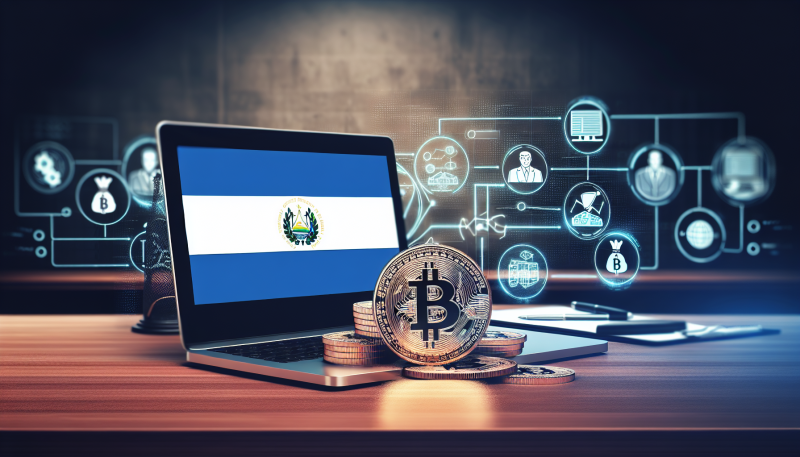
  • El Salvador Halts Bitcoin Purchases, Contradicting Presidential Claims and Influencing Global Crypto Perceptions

    El Salvador Halts Bitcoin Purchases, Contradicting Presidential Claims and Influencing Global Crypto Perceptions

    What happened?

    The International Monetary Fund (IMF) reported that El Salvador has not made any new Bitcoin purchases since February 2025. This contradicts President Nayib Bukele’s claims that the government was buying one Bitcoin daily. The IMF’s findings are part of a review tied to a loan agreement with El Salvador.

    Who does this affect?

    This development primarily affects El Salvador’s government and citizens, impacting their national crypto policy. It also holds significance for companies and investors interested in the country’s crypto strategy. Furthermore, it influences global perceptions about the viability of Bitcoin as a national asset.

    Why does this matter?

    The halt in Bitcoin purchases by El Salvador might influence Bitcoin’s market dynamics and investor sentiment. The IMF praised the policy shift for reducing fiscal risk and increasing transparency, which could stabilize inflation and strengthen economic stability. As other countries continue to expand their Bitcoin reserves, El Salvador’s move may signal a reassessment of sovereign Bitcoin strategies.

  • Record Inflows of $4.39 Billion Reflect Growing Institutional Interest in Digital Assets

    Record Inflows of $4.39 Billion Reflect Growing Institutional Interest in Digital Assets

    What happened?

    Digital asset investment products saw a record weekly inflow of $4.39 billion, surpassing the previous record set after the 2024 U.S. election. This increase has brought the total assets under management to an impressive $220 billion, showcasing continued strong interest from investors. Ethereum led the surge with $2.12 billion in inflows, significantly outpacing its previous records.

    Who does this affect?

    The record inflows mainly impact institutional investors and companies that are increasingly adding digital assets to their portfolios and balance sheets. Public companies have increased their Bitcoin holdings significantly, while individual investors actively participate via exchange-traded products. Additionally, regulatory clarity is paving the way for broader adoption by corporate treasuries and traditional financial institutions.

    Why does this matter?

    This unprecedented level of inflows into digital assets reflects heightened institutional interest, suggesting bullish prospects for the crypto market. The move could lead to further adoption and integration of cryptocurrencies within the financial markets, potentially driving prices higher. As institutional and retail investments grow, these trends might signal stronger market stability and maturity in the crypto asset class.