Category: News

  • Bitget Wallet Launches Crypto-Linked Card in Partnership with Mastercard and Immersve

    Bitget Wallet Launches Crypto-Linked Card in Partnership with Mastercard and Immersve

    What happened?

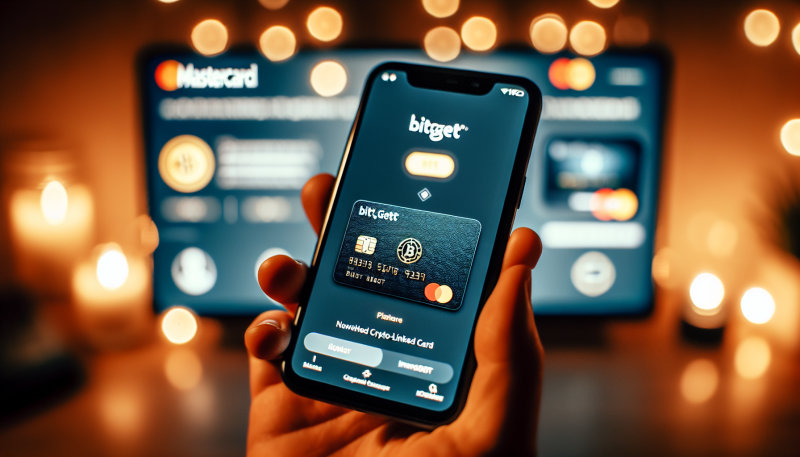
    Bitget Wallet has teamed up with Mastercard and Immersve to launch a new crypto-linked card. This card allows users to pay directly from their digital wallets at over 150 million merchants worldwide where Mastercard is accepted. Initially available in the UK and EU, there are plans to expand to other regions in the future.

    Who does this affect?

    This development affects Bitget Wallet users who can now use their crypto assets for everyday purchases. It also impacts merchants accepting Mastercard payments, as they can now tap into the growing crypto user base. The partnership benefits individuals interested in using cryptocurrency seamlessly, like traditional money.

    Why does this matter?

    This move could significantly impact the digital payments market by integrating crypto into mainstream commerce. It bridges the gap between cryptocurrencies and regular financial transactions, enhancing crypto’s practical utility. This collaboration indicates continued interest in making crypto a viable option within key payment systems globally.


  • Sei Blockchain Emerges as Leader in Web3 Gaming Despite SEI Token Underperformance

    Sei Blockchain Emerges as Leader in Web3 Gaming Despite SEI Token Underperformance

    “`html

    What happened?

    The Sei blockchain has become the top chain in web3 gaming, with gaming transaction volumes reaching $469 million over the past week. Despite this activity, the SEI token is trading at $0.2835 and has gained only 1.28% in the last 24 hours. Although the Sei network’s influence in gaming and DeFi sectors is growing, the current price of the SEI token might be undervalued compared to its performance in 2024.

    Who does this affect?

    This primarily affects investors and developers involved with the Sei blockchain, as well as gamers engaging in blockchain-based gaming. The rapid growth in gaming on Sei impacts gaming developers who benefit from increased activity and engagement. Furthermore, investors interested in the SEI token are affected due to the discrepancy between the network’s growth and the token’s current value.

    Why does this matter?

    The rise of Sei as a leading blockchain in gaming indicates significant market potential, which could attract more investments and partnerships. The increasing total value locked (TVL) and transaction volume highlight the robust growth of the Sei network, potentially driving future market price appreciation of the SEI token. This could also influence broader market adoption of blockchain technology in gaming, providing new investment opportunities for market participants.

    “`

  • Pepe Coin Sees $500 Million Trading Surge and Subsequent Volatility: Implications for Traders and Market Sentiment

    Pepe Coin Sees $500 Million Trading Surge and Subsequent Volatility: Implications for Traders and Market Sentiment

    What happened?

    Pepe Coin experienced a sudden $500 million surge in trading volume, which caused a significant increase in excitement among traders. This spike led to a 10% gain, sparking optimism for an upcoming bullish trend in Pepe’s pricing. However, the earlier enthusiasm quickly reversed, causing the price to return to its starting point, and raising questions about the sustainability of this surge.

    Who does this affect?

    This situation primarily affects traders and investors involved with Pepe Coin and other meme coins. Individuals focused on short-term trading might experience volatility, creating both opportunities and risks. Additionally, those interested in cryptocurrency market dynamics or holding significant quantities of Pepe may feel the ripple effects of this sudden market activity.

    Why does this matter?

    The fluctuation in Pepe Coin’s trading volume and price could impact market sentiment and influence the behavior of traders looking for quick gains in the volatile meme coin space. With macroeconomic factors like easing international tensions and upcoming trade deals influencing risk-on sentiment, meme coins like Pepe may see increased attention and fluctuations. The uncertainty and potential high-risk environment may lead larger investors to proceed cautiously, impacting overall market stability and the memetic coin market’s future trajectory.

  • Vanadi Coffee Invests €1 Billion in Bitcoin, Becomes Spain’s Largest Listed Bitcoin-Holding Company

    Vanadi Coffee Invests €1 Billion in Bitcoin, Becomes Spain’s Largest Listed Bitcoin-Holding Company

    What happened?

    Vanadi Coffee, a small Spanish coffee chain, announced its decision to invest up to €1 billion in Bitcoin. The company has adopted Bitcoin as its primary treasury asset following shareholder approval. This shift makes Vanadi the largest listed Bitcoin-holding company in Spain despite its modest size.

    Who does this affect?

    This decision primarily affects Vanadi Coffee’s shareholders and potential investors, who might now see the company as an attractive Bitcoin investment opportunity. It also impacts the crypto market by increasing institutional interest in Bitcoin. Furthermore, it influences other businesses and companies that are considering similar treasury strategies involving cryptocurrency investments.

    Why does this matter?

    This strategic pivot has had a significant impact on Vanadi’s stock, which surged over 200% following the announcement. The market sees this move as a bold strategy to counter previous financial losses and revamp its business model with Bitcoin at its core. The decision could signal a new trend of companies using Bitcoin as a major reserve asset, potentially affecting Bitcoin’s market volatility and valuation.

  • Connecticut Passes Law Banning Engagement with Digital Assets like Bitcoin

    Connecticut Passes Law Banning Engagement with Digital Assets like Bitcoin

    What happened?

    Connecticut’s Governor Ned Lamont has signed a new law that bans the state from engaging with digital assets such as Bitcoin. This legislation, referred to as H.B. 7082, was passed unanimously by both the House and Senate in Connecticut. The law prevents the state and its subdivisions from accepting virtual currency or establishing digital asset reserves.

    Who does this affect?

    This new legislation affects Connecticut state institutions and political entities by restricting their ability to transact or hold digital currencies. Businesses operating in the cryptocurrency sector within Connecticut must comply with more stringent regulations including detailed risk disclosures. Additionally, the law includes consumer protection measures, impacting users of cryptocurrencies under the age of 18 requiring parental verification.

    Why does this matter?

    The decision positions Connecticut as one of the most restrictive states in terms of cryptocurrency adoption, diverging significantly from the national trend towards crypto-friendly policies. While other states in the US are moving forward with Bitcoin reserve bills, Connecticut effectively opts out of participating in strategic crypto adoption discussions. This move could influence the market by creating compliance challenges for crypto businesses and potentially discouraging cryptocurrency-related investments in the state.

  • American Express System Upgrade Sparks Ripple Integration Speculation Amid Payment Delays

    American Express System Upgrade Sparks Ripple Integration Speculation Amid Payment Delays

    What happened?

    American Express announced a major system upgrade linked to a Federal Reserve update, causing delays in cross-border payments and wire transfers. This announcement renewed speculation that Ripple’s technology might be integrated into Amex’s operations, given their past collaborations on payment solutions. Additionally, the timing coincides with American Express’s biggest Card refresh and the introduction of new crypto rewards in partnership with Coinbase.

    Who does this affect?

    This development primarily affects American Express clients who rely on cross-border payments and wire transfers, as they are experiencing delays due to the system upgrade. Additionally, Ripple and XRP enthusiasts are closely monitoring the situation, hoping for potential integration and increased adoption. Finally, investors and stakeholders in both American Express and Ripple are interested in the impact these changes might have on the companies’ financial performances.

    Why does this matter?

    The speculation around Ripple’s potential integration with American Express could have significant market implications, particularly for Ripple’s technology and its cryptocurrency, XRP. Despite the excitement, XRP only saw a modest price increase, hinting at cautious market optimism. If such integration occurs, it could boost confidence in blockchain solutions for cross-border transactions and potentially impact XRP’s valuation and adoption.

  • Crypto Market Faces Significant Downturn as Major Coins Decline

    Crypto Market Faces Significant Downturn as Major Coins Decline

    What happened?

    The crypto market has experienced a downturn, with 90 of the top 100 coins by market cap declining within the past 24 hours. Overall, the cryptocurrency market capitalization fell by 3.2% to $3.41 trillion, and the total trading volume is now at $90.9 billion. Bitcoin and Ethereum saw minor losses of less than 1%, while other cryptocurrencies such as Dogecoin and Tokenize Xchange recorded more significant drops.

    Who does this affect?

    This downturn affects a wide range of stakeholders, including individual investors, institutions holding crypto assets, and companies involved in blockchain and cryptocurrency operations. Additionally, exchanges and platforms facilitating crypto trades may see reduced activity and revenues. The decline could also impact global economies that are increasingly intertwined with the digital currency market, especially those relying on crypto for financial stability and growth.

    Why does this matter?

    The current market decline highlights investor uncertainties and the volatility inherent in the cryptocurrency ecosystem, potentially influencing future investment strategies. As the market consolidates amid calm geopolitical conditions, institutional buying continues, suggesting long-term confidence despite short-term fluctuations. This environment of uncertainty may prompt investors to be cautious, affecting overall market dynamics and delaying the potential recovery or further growth in the sector.

  • Grayscale’s Push for Digital Large Cap Fund Conversion: Implications for Investors and the Cryptocurrency Market

    Grayscale’s Push for Digital Large Cap Fund Conversion: Implications for Investors and the Cryptocurrency Market

    What happened?

    Grayscale is in the process of trying to convert its Digital Large Cap Fund into a spot ETF, a journey they began in 2024. This fund currently includes five different cryptocurrencies in varying proportions. The SEC has yet to decide on this conversion, with a deadline set for a statement by July 2.

    Who does this affect?

    This affects investors in the Grayscale Digital Large Cap Fund, as well as any potential investors interested in a diversified crypto spot ETF. It also impacts the broader cryptocurrency market, particularly those holding or interested in Bitcoin, Solana, XRP, and Cardano. The decision will have implications for other companies considering similar ETF applications.

    Why does this matter?

    If approved, this would indicate a significant shift in regulatory acceptance of cryptocurrency investments, potentially increasing mainstream adoption. It could lead to increased market activity and liquidity for the included cryptocurrencies, making it easier for traditional investors to enter the crypto market. A successful conversion might pave the way for more multi-crypto ETFs, impacting overall market dynamics and valuations.

  • Hut 8 Expands Global Footprint with New Office in Dubai

    Hut 8 Expands Global Footprint with New Office in Dubai

    What happened?

    Hut 8, a major Bitcoin mining firm tied to the Trump family, is opening a new office in Dubai. This move marks a strategic shift for the company as it aims for global expansion and improved capital efficiency. The new office has been registered with the Dubai International Financial Centre, one of the region’s key financial zones.

    Who does this affect?

    This move affects Hut 8’s current operations and employees, as well as potential new hires in Dubai. It also impacts stakeholders and investors interested in the company’s global growth strategy. Furthermore, it influences the wider digital asset market by adding a significant player to Dubai’s growing crypto ecosystem.

    Why does this matter?

    Hut 8’s expansion into Dubai reflects broader trends in the crypto industry toward seeking regulatory certainty and access to global liquidity. Dubai’s favorable tax policies and business environment offer strategic advantages, potentially increasing the competitiveness and profitability of firms like Hut 8. This move could influence market dynamics by encouraging more digital asset companies to consider similar expansions abroad, especially in regions with attractive regulatory climates.

  • Malaysia Proposes Major Regulatory Reforms for Digital Asset Exchanges Amid Record Trading Growth

    Malaysia Proposes Major Regulatory Reforms for Digital Asset Exchanges Amid Record Trading Growth

    What happened?

    Malaysia’s Securities Commission proposed significant changes to the regulations governing digital asset exchanges. This comes after a substantial increase in digital asset trading, which reached a record of RM13.9 billion ($2.9 billion) in 2024, more than doubling the amount from the previous year. The new regulations are intended to expedite the launch of new tokens while improving governance, investor protection, and platform strength.

    Who does this affect?

    The proposed regulatory changes affect several stakeholders within Malaysia’s digital asset ecosystem. These include retail investors, institutional participants, and traditional capital market intermediaries who are increasingly engaging with crypto assets. Digital Asset Exchange operators would also be impacted, as they would assume more responsibility for ensuring compliance with legal and risk standards.

    Why does this matter?

    The changes could significantly impact Malaysia’s digital asset market by enhancing competitiveness and security, potentially attracting more investors and increasing trading volumes. By reducing regulatory delays, exchanges can respond more quickly to market demands, but they will also need to meet stricter financial and operational standards. This could stabilize the market, making it more appealing for investments, although the increased compliance requirements might present initial challenges for some operators.