Category: News

  • France Explores Bitcoin Adoption: A Potential Game Changer for Europe

    France Explores Bitcoin Adoption: A Potential Game Changer for Europe

    What happened?

    Samson Mow, founder of Jan3, a Bitcoin infrastructure firm, had discussions with French lawmaker Sarah Knafo about adopting Bitcoin at the state level in France. They talked about creating a Bitcoin reserve strategy and setting regulatory frameworks that favor Bitcoin. The meeting took place during the BTC Prague conference, where both expressed optimism about starting a Bitcoin adoption wave in Europe.

    Who does this affect?

    This move potentially affects various stakeholders including the French government, financial institutions, and the private sector engaged in Bitcoin and cryptocurrency. With France ramping up its Bitcoin activities, both policymakers and businesses involved in the crypto space in Europe could see changes in regulatory practices. Additionally, other European nations may be influenced by France’s approach to Bitcoin adoption.

    Why does this matter?

    France’s potential lead in Bitcoin adoption could significantly impact the European crypto market, driving increased activity and investment. If successful, it may prompt other countries to consider similar strategies, influencing regulatory policies across Europe. The market could experience heightened legitimacy and interest in cryptocurrencies, particularly Bitcoin, boosting trading volumes and encouraging new partnerships.


  • ARK Invest Sells $146.2 Million in Circle Shares Amidst Stock Surge

    ARK Invest Sells $146.2 Million in Circle Shares Amidst Stock Surge

    What happened?

    Cathie Wood’s ARK Invest sold $146.2 million worth of Circle (CRCL) shares, despite a 248% surge in stock value since its debut on the New York Stock Exchange. ARK made this move through three of its funds: ARK Innovation ETF, ARK Next Generation Internet ETF, and ARK Fintech Innovation ETF. Since June 5, ARK has sold 1.25 million Circle shares, gaining roughly $243 million from these transactions.

    Who does this affect?

    This sale primarily affects investors and stakeholders in ARK Invest and Circle, as well as potential investors watching these market movements closely. Major shareholders like IDG-Accel China Capital Fund II and other backers such as BlackRock, who reportedly eye a 10% stake, are also impacted by market perceptions due to ARK’s actions. Additionally, executives at Circle, including CEO Jeremy Allaire, are affected as they plan to sell portions of their own holdings.

    Why does this matter?

    The sale by ARK Invest is significant because it showcases investor sentiment and strategy amidst high volatility in the newly listed Circle shares. This divestment could signal a cautious approach or profit-taking strategy by ARK despite retaining a major shareholding position. The transaction highlights potential market impact, contributing to investor concerns or confidence in Circle’s future performance, especially considering that other major backers have not yet disclosed similar sales.

  • Bitcoin Price Plummets Amid Escalating Geopolitical Tensions and Military Strikes

    Bitcoin Price Plummets Amid Escalating Geopolitical Tensions and Military Strikes

    What happened?

    The price of Bitcoin has significantly dropped as geopolitical tensions escalate, particularly due to US military strikes on Iran’s nuclear sites. This development has intensified the ongoing conflict between Israel and Iran. Investors have reacted by moving assets to traditional safe havens like gold, causing Bitcoin to fall by 9% from its recent highs.

    Who does this affect?

    This event primarily affects investors in digital currencies, particularly those holding Bitcoin, as they face increased volatility and potential losses. It also has implications for global financial markets, impacting equities and commodities. Furthermore, regions involved in the conflict and their allies might experience heightened political and economic instability.

    Why does this matter?

    The geopolitical tensions and consequent market reactions highlight Bitcoin’s current role as a risk asset rather than a safe haven during crises. This drop underscores Bitcoin’s vulnerability to geopolitical events which can lead to significant market sell-offs. For investors, this situation serves as a reminder of the importance of diversification and the challenges of relying on cryptocurrencies as stable stores of value during international conflicts.

  • XRP Faces 14.64% Decline Amid Escalating Geopolitical Tensions and Market Volatility

    XRP Faces 14.64% Decline Amid Escalating Geopolitical Tensions and Market Volatility

    What happened?

    Ripple’s XRP has experienced a sharp decline of nearly 14.64% over the past month, dropping from $2.47 to around $2.07. This decline follows escalating geopolitical tensions as U.S. airstrikes on Iran’s nuclear facilities intensified global market volatility. The broader crypto market has also been affected, with significant sell-offs occurring as investors react to these developments.

    Who does this affect?

    This situation primarily affects investors and traders who hold XRP or are involved in cryptocurrency markets. Additionally, the geopolitical crisis impacts global energy markets and could influence various sectors dependent on stable oil prices and international trade. Those engaged in related financial markets are also experiencing increased uncertainty and volatility.

    Why does this matter?

    The market impact is significant due to heightened geopolitical risks that make assets like cryptocurrencies more volatile. Investors are shifting away from speculative investments towards safer options, leading to increased price pressure on digital currencies like XRP. As tensions persist, markets remain on edge, with potential for further declines if geopolitical conditions worsen.

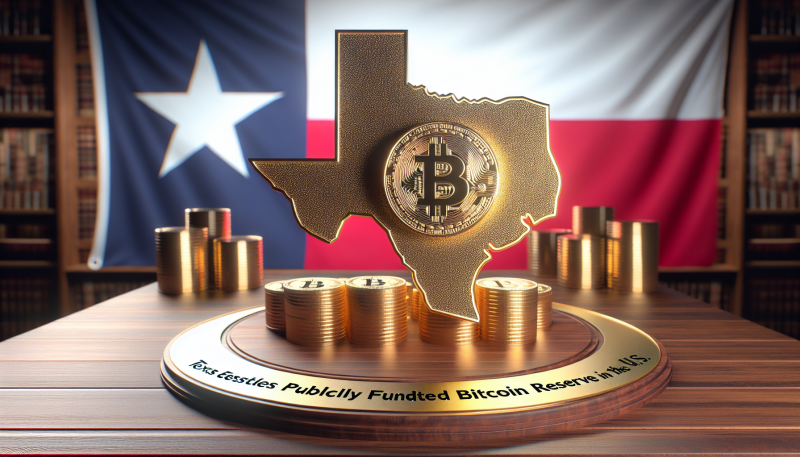
  • Texas Establishes First Publicly Funded Bitcoin Reserve in the U.S.

    Texas Establishes First Publicly Funded Bitcoin Reserve in the U.S.

    What happened?

    Texas has passed a new law establishing the first publicly funded Bitcoin reserve in the United States. Governor Greg Abbott signed Senate Bill 21, creating a standalone Bitcoin reserve fund that will be overseen by the Texas Comptroller. This move positions Texas as a leader in adopting on-chain finance, while other states like Florida and Arizona have abandoned similar efforts.

    Who does this affect?

    This initiative affects Texas residents and could influence other states considering blockchain technology policies. It also impacts stakeholders in the cryptocurrency market, including Bitcoin investors and public firms holding digital assets. The decision may set a precedent for how state-level governments engage with cryptocurrencies as strategic assets.

    Why does this matter?

    The establishment of a state-funded Bitcoin reserve in Texas could have significant implications for the cryptocurrency market. By legitimizing Bitcoin as a strategic asset class, the move might spur increased adoption and investment interest in Bitcoin and other digital currencies. It signals growing acceptance of digital assets in mainstream finance, potentially fueling further market growth and stability.

  • Geopolitical Tensions Lead to Ethereum Price Drop Amidst Middle East Conflict

    Geopolitical Tensions Lead to Ethereum Price Drop Amidst Middle East Conflict

    What happened?

    The escalation of conflict in the Middle East, specifically the U.S. launching precision strikes on Iran’s nuclear sites, has impacted global markets and cryptocurrencies, with Ethereum (ETH) experiencing a notable drop. In response, Iran retaliated with missile attacks, leading to widespread concerns about a potential broader war. As tensions rose, Ethereum’s value fell by 5% to $2,270.86, with trading volumes spiking due to increased market volatility and risk-off sentiment.

    Who does this affect?

    This situation affects investors, traders, and stakeholders in the cryptocurrency markets, particularly those involved with Ethereum. In addition, geopolitical tensions have ramifications for the broader financial markets, impacting people globally who are tied to these economic systems. The news also concerns governments and international relations experts observing the conflict’s progression and its wider implications.

    Why does this matter?

    The Ethereum price drop signifies how geopolitical events can swiftly impact market confidence and asset valuations, illustrating the sensitivity of cryptocurrency markets to global events. For investors, this creates both risks and potential buying opportunities, depending on the market’s reaction to ongoing developments. Additionally, with Ethereum being a significant player in the crypto space, its fluctuations can influence investor behavior and strategy across the broader digital asset market.

  • Ethereum Staking Surpasses 35 Million ETH, Signaling Confidence and Market Implications

    Ethereum Staking Surpasses 35 Million ETH, Signaling Confidence and Market Implications

    What happened?

    Ethereum staking has reached a new milestone, with over 35 million ETH now staked in the network’s proof-of-stake system. This represents 28.3% of the total Ethereum supply, indicating strong confidence among holders. The rise follows favorable SEC guidance on staking but Ether staking ETF approvals are still pending.

    Who does this affect?

    The increase in staked ETH affects multiple stakeholders, including Ethereum holders, investors seeking yield, and the platforms providing staking services. Lido, Binance, and Coinbase dominate staking, raising concerns about centralization risks. Institutional investors show growing interest as they observe the tightening liquid supply and increasing prices.

    Why does this matter?

    This development is significant for the market as it reflects long-term investor confidence and a potential reduction in sell pressure, which could lead to price stability or rises. The heavy staking activity might also influence how Ethereum is perceived by institutions and could impact future investment decisions. With large amounts of ETH being staked, the market may experience increased scarcity, enhancing ETH’s value as a digital asset.

  • Semler Scientific Embraces Bitcoin Amid Hedge Fund Skepticism

    Semler Scientific Embraces Bitcoin Amid Hedge Fund Skepticism

    What happened?

    Eric Semler, chairman of Semler Scientific Inc., mentioned that many hedge funds are skeptical about Bitcoin’s sustainability beyond the Trump administration. Despite the doubts, Semler is pushing forward aggressively with his Bitcoin investment, aiming to accumulate 105,000 BTC. This move makes Semler Scientific the second U.S. public company to use a Bitcoin treasury strategy, showcasing a bold stance amid broader institutional skepticism.

    Who does this affect?

    This development affects hedge funds, investors, and companies considering or already involved in cryptocurrency investments. It particularly impacts those closely watching the political implications on crypto markets, as well as companies like Semler Scientific that adopt substantial Bitcoin holdings. The shifting dynamics could influence market participants’ strategies, especially given the rising trend of crypto exposure among hedge fund managers.

    Why does this matter?

    The impact of these actions on the market is significant as they highlight the divide between traditional finance skepticism and emerging crypto enthusiasm. The growing acceptance of crypto assets by hedge funds, now held by nearly half, points to an evolving landscape despite political uncertainties. Semler’s contrarian strategy might lead to high returns if Bitcoin proves resilient, affecting future market trends and investor confidence in digital assets.

  • XRP Surges Past $2 Amidst Signs of Market Consolidation and Potential Profit-Taking

    XRP Surges Past $2 Amidst Signs of Market Consolidation and Potential Profit-Taking

    What happened?

    XRP has recently surged to a high of around $2.13, marking an impressive gain of over 300% since November 2024. However, there are signs that this rally is reaching a point of consolidation as a bearish engulfing pattern has appeared near the resistance at $2.15. Technical indicators like the MACD and RSI also suggest weakening momentum, indicating that the price might move sideways or pullback unless buyers take action.

    Who does this affect?

    This situation affects a variety of stakeholders including XRP investors, traders, and institutions with exposure to XRP. Early investors who have seen significant gains are currently taking profits, which could influence the price dynamics further. Institutions could play a key role in future movements, especially with the launch of XRP-related ETFs by companies like 3iQ and Purpose Investments.

    Why does this matter?

    The recent market developments highlight both the potential and risks in the XRP market. The launches of new XRP ETFs and regulatory clarity from bodies like the SEC could attract more institutional investors, fueling further growth. However, technical signals show caution is needed at this stage, as profit-taking might outpace buying pressure, affecting overall market sentiment and price stability.

  • Bitcoin Plummets Below $104,000 Amidst Market Volatility and Bearish Indicators

    Bitcoin Plummets Below $104,000 Amidst Market Volatility and Bearish Indicators

    What happened?

    Bitcoin has come under pressure, dropping below a crucial support level of $104,000. The cryptocurrency was trading around $103,829, down over 2% in the last 24 hours, as technical indicators pointed towards a potential bearish continuation. The market remains volatile, with significant trading volume but indecisive price action.

    Who does this affect?

    This situation primarily impacts Bitcoin traders and investors, especially those with short-term strategies. The bearish technical indicators and volatility could lead to caution among traders, possibly affecting their buying and selling decisions. Additionally, institutions like Semler Scientific, which plan to significantly increase their Bitcoin holdings, are also watching these developments closely.

    Why does this matter?

    The current Bitcoin price action matters due to its potential impact on the broader cryptocurrency market. A drop below key technical levels could fuel further declines, affecting investor sentiment and market stability. However, institutional moves, such as Semler’s plan to expand its BTC holdings, indicate confidence in the long-term value of Bitcoin, which could influence market dynamics positively despite immediate volatility.