Category: News

  • Ross Ulbricht’s Emotional Return to Public Life at Bitcoin 2025 Conference After Pardon

    Ross Ulbricht’s Emotional Return to Public Life at Bitcoin 2025 Conference After Pardon

    What happened?

    Ross Ulbricht made his first public appearance at the Bitcoin 2025 conference in Las Vegas as a free man, after spending over a decade in prison for his role in running the darknet website Silk Road, before being pardoned by U.S. President Trump. During his emotional speech, he thanked the Bitcoin community for their continuous support and reflected on his time in prison. He expressed how the movement he believed in ultimately helped pave the way for his freedom.

    Who does this affect?

    This development affects several groups, including the Bitcoin community, advocates for digital freedom, and those interested in legal reform regarding internet-based crimes. Ross Ulbricht’s case has been a focal point for discussions about cryptocurrency regulation and the justice system’s handling of digital entrepreneurship. His release and subsequent public appearances stir emotions and reaffirmations among those who support broader freedoms in digital spaces.

    Why does this matter?

    Ross Ulbricht’s release and appearance at a major Bitcoin conference symbolize a significant narrative in the world of cryptocurrencies and digital freedom. His story highlights ongoing debates about freedom, decentralization, and the evolving role of digital currencies in society. These themes can influence market sentiments, investor confidence, and regulatory policies impacting the future landscape of cryptocurrency and blockchain technologies.


  • SEC Clarifies Staking on Proof-of-Stake Blockchains is Not a Securities Transaction, Boosting Crypto Confidence

    SEC Clarifies Staking on Proof-of-Stake Blockchains is Not a Securities Transaction, Boosting Crypto Confidence

    What happened?

    The US Securities and Exchange Commission (SEC) released a statement clarifying that staking on certain proof-of-stake blockchains does not qualify as a securities transaction under federal law. This announcement brings relief to crypto investors and service providers who were uncertain about the legal classification of staking. The SEC’s Division of Corporation Finance confirmed that individuals and companies involved in self-staking or offering staking-as-a-service are not engaging in securities transactions.

    Who does this affect?

    This clarification primarily affects crypto investors, blockchain companies, and staking service providers. Those who were previously hesitant to participate in staking due to regulatory concerns can now engage with more confidence. It also impacts over 30 crypto firms that pressured the SEC for guidance to ensure the growth of staking networks isn’t hindered by legal ambiguity.

    Why does this matter?

    The SEC’s decision could have significant market impacts by encouraging more participation in staking activities, thus enhancing the decentralization and utility of blockchain systems. With clearer guidelines, the crypto market is likely to see increased innovation and investment in staking services. This move may also stabilize market structures by reducing fears of potential regulatory crackdowns on staking-related activities.

  • PSG Becomes First Sports Entity to Adopt Bitcoin Treasury Strategy

    PSG Becomes First Sports Entity to Adopt Bitcoin Treasury Strategy

    What happened?

    Paris Saint-Germain (PSG), a European football club, has added Bitcoin to its financial reserves, becoming the first sports entity to adopt a Bitcoin treasury strategy. This announcement was made during the Bitcoin 2025 conference in Las Vegas. PSG started acquiring Bitcoins last year as part of this strategic move.

    Who does this affect?

    This decision affects PSG’s immense global fanbase, especially younger fans, as 80% of them are below the age of 34. Additionally, this move could influence other sports teams and corporations to consider adopting Bitcoin. The decision could also impact the players, stakeholders, and investors associated with PSG.

    Why does this matter?

    The addition of Bitcoin to PSG’s balance sheet is significant as it aligns with a growing trend of corporate adoption of cryptocurrencies, which could further legitimize Bitcoin as an investment asset. It showcases football’s role as a leading sport in cryptocurrency sponsorships, contributing to a broader market acceptance. This move might also impact crypto markets positively by increasing demand and attention towards Bitcoin.

  • New York City Launches World’s First Bitcoin-Backed Municipal Bonds, BitBonds

    New York City Launches World’s First Bitcoin-Backed Municipal Bonds, BitBonds

    What happened?

    New York City Mayor Eric Adams announced the launch of BitBonds, which are the world’s first municipal bonds backed by Bitcoin. This initiative is designed to attract crypto-savvy investors by tying the bond’s potential returns directly to Bitcoin’s performance. At the Bitcoin 2025 Conference, Mayor Adams positioned this as a pioneering move in digital finance.

    Who does this affect?

    The introduction of BitBonds affects several groups, including Bitcoin investors looking for new opportunities and municipal bond investors seeking innovation in financial products. Residents of New York City stand to benefit from projects funded through these bonds. Additionally, policymakers and regulators might face challenges as they adapt existing financial frameworks to accommodate this crypto-backed initiative.

    Why does this matter?

    This news indicates a significant market shift towards integrating cryptocurrencies with traditional financial instruments, which could influence global financial markets. The embrace of Bitcoin-backed bonds by a major city like New York may encourage other municipalities and financial institutions to explore similar innovations. Furthermore, with President Trump establishing a Strategic Bitcoin Reserve, there’s a growing national momentum towards broader crypto adoption, potentially stabilizing or boosting Bitcoin’s market presence.

  • US Treasury Sanctions Philippines-Based Company for Enabling $200 Million Crypto Scams

    US Treasury Sanctions Philippines-Based Company for Enabling $200 Million Crypto Scams

    What happened?

    The US Department of the Treasury has imposed sanctions on Funnull Technology, a Philippines-based company, for facilitating large-scale crypto scams resulting in over $200 million in losses. The company, along with administrator Liu Lizhi, was accused of providing technical infrastructure for hundreds of thousands of scam websites involved in cyber-enabled investment frauds known as “pig butchering” scams. The action by the Treasury highlights their focus on disrupting criminal enterprises that support these scams and protect American citizens from financial harm.

    Who does this affect?

    The sanctions impact Funnull Technology and its administrator, but more importantly, they aim to protect potential American victims who are targeted by these fraudulent schemes. The scams often lure individuals into fake investment schemes related to cryptocurrencies, resulting in significant financial losses. Additionally, the move sends a warning to other digital infrastructure providers who might be enabling similar scams.

    Why does this matter?

    This action by the US Treasury is significant for the market, as it underscores the government’s determination to clamp down on cybercrime and protect investors from fraudulent activities in the crypto space. By targeting the infrastructure and individuals behind these scams, it could deter future fraudulent activities and foster a safer environment for legitimate digital investments. Moreover, increased scrutiny and regulation may impact how digital infrastructure providers conduct their businesses, potentially influencing broader market practices and protocols.

  • Thailand SEC Cracks Down on Unlicensed Cryptocurrency Exchanges to Protect Investors

    Thailand SEC Cracks Down on Unlicensed Cryptocurrency Exchanges to Protect Investors

    What happened?

    The Thailand Securities and Exchange Commission (SEC) has announced a crackdown on five major cryptocurrency exchanges: Bybit, 1000X, CoinEx, OKX, and XT.COM, which were found operating without a license. The SEC plans to block access to these platforms starting June 28th as part of efforts to curb money laundering and protect retail investors. Legal action has been initiated against these exchanges due to their unauthorized operations targeting Thai users.

    Who does this affect?

    This development primarily impacts cryptocurrency traders and investors in Thailand who use these unlicensed platforms for trading digital assets. Additionally, the exchanges themselves will face legal challenges and access restrictions in Thailand. The move will also likely have implications for other cryptocurrency platforms that operate outside of regulatory frameworks in the country, urging them to comply with local laws.

    Why does this matter?

    This regulatory action is part of a broader effort by Thai authorities to clean up the local cryptocurrency market and could lead to increased stability and investor protection. It might cause short-term disruptions in trading activities for affected platforms, leading to market volatility. However, in the long run, these measures could bolster trust among investors and potentially attract more compliant and regulated crypto businesses to Thailand’s market.

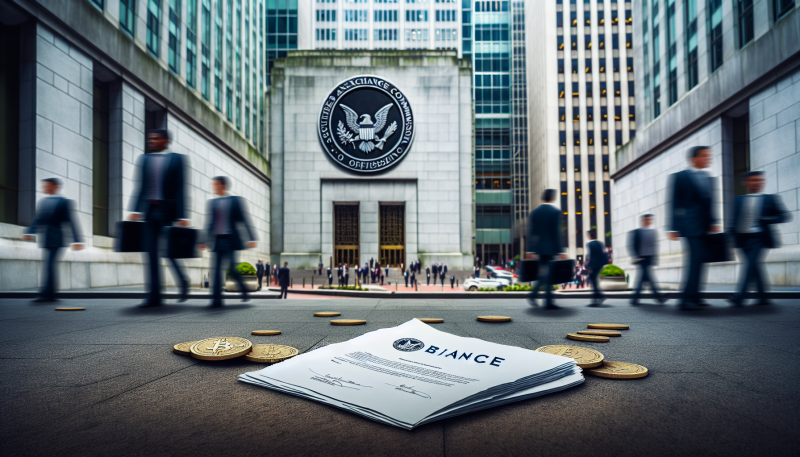
  • SEC Drops Lawsuit Against Binance, Signaling Shift in Crypto Regulation

    SEC Drops Lawsuit Against Binance, Signaling Shift in Crypto Regulation

    “`html

    What happened?

    In a surprising turn of events, the SEC has dropped its high-profile lawsuit against Binance and its founder Changpeng Zhao. This dismissal marks the end of a two-year legal battle that began in 2023 over allegations of trading volume inflation and unregistered securities. The decision indicates a significant shift in U.S. regulatory policy towards crypto under the Trump administration.

    Who does this affect?

    This development directly impacts Binance, its founder Changpeng Zhao, and the broader cryptocurrency industry. The case’s dismissal relieves Binance from potential legal consequences and financial penalties previously hanging over its operations. It could set a precedent affecting other major crypto companies facing similar scrutiny from regulators.

    Why does this matter?

    The dropping of the lawsuit could have a profound impact on the crypto market, as it signals a softer stance from regulators, potentially encouraging more investment and innovation in the sector. Market confidence may improve, leading to greater participation from institutional players wary of strict regulatory environments. This case’s outcome might influence how future regulatory actions are crafted and enforced across the U.S. crypto landscape.

    “`

  • Bipartisan CLARITY Act Introduced to Establish Regulatory Framework for Digital Assets

    Bipartisan CLARITY Act Introduced to Establish Regulatory Framework for Digital Assets

    What happened?

    U.S. Representative French Hill introduced the Digital Asset Market Clarity Act of 2025, also known as the CLARITY Act, with bipartisan support. The bill aims to resolve regulatory conflicts between the Securities and Exchange Commission (SEC) and the Commodity Futures Trading Commission (CFTC) regarding digital assets. It proposes comprehensive registration regimes for digital asset firms to operate legally, focusing on consumer protection and innovation.

    Who does this affect?

    The proposed legislation affects a wide range of stakeholders in the digital asset ecosystem, including crypto firms, investors, and consumers. It provides clarity and establishes a regulatory framework for digital asset operations within the U.S. market. Lawmakers, regulators, and the digital asset industry will navigate new compliance and registration requirements as part of the Act’s implementation.

    Why does this matter?

    The CLARITY Act represents a significant step in establishing a clear regulatory framework for the crypto market, potentially influencing the market dynamics and investor confidence. By providing a unified approach to regulation, the Act seeks to promote American leadership in the digital assets marketplace. However, the ambitious timeline and complexities of financial regulation could impact the speed and effectiveness of its implementation.

  • Kazakhstan Launches “CryptoCity” Pilot Zone to Integrate Cryptocurrency into Daily Life

    Kazakhstan Launches “CryptoCity” Pilot Zone to Integrate Cryptocurrency into Daily Life

    What happened?

    Kazakhstan’s President Tokayev announced the launch of “CryptoCity,” a pilot zone designed to integrate cryptocurrency into everyday transactions. This innovative zone will serve as a regulated sandbox where digital currencies can be used to purchase goods, services, real estate, and make investments. The initiative is part of Kazakhstan’s strategy to modernize its financial infrastructure by adopting digital assets.

    Who does this affect?

    The creation of CryptoCity primarily impacts residents and businesses in Kazakhstan who may engage with cryptocurrencies in their daily operations and transactions. It also affects technology companies and startups looking to explore or establish a presence in the region as the country aims to attract technological ventures. Additionally, it influences lawmakers and financial regulators considering the necessary legal frameworks and oversight for cryptocurrency use.

    Why does this matter?

    This initiative could significantly impact the global market by positioning Kazakhstan as a leader in cryptocurrency adoption and innovation. By establishing CryptoCity, Kazakhstan may attract international investments and partnerships, facilitating economic growth and technological advancement. Moreover, this development could influence other countries to embrace similar crypto-focused initiatives, responding to increasing demands for digital financial systems.

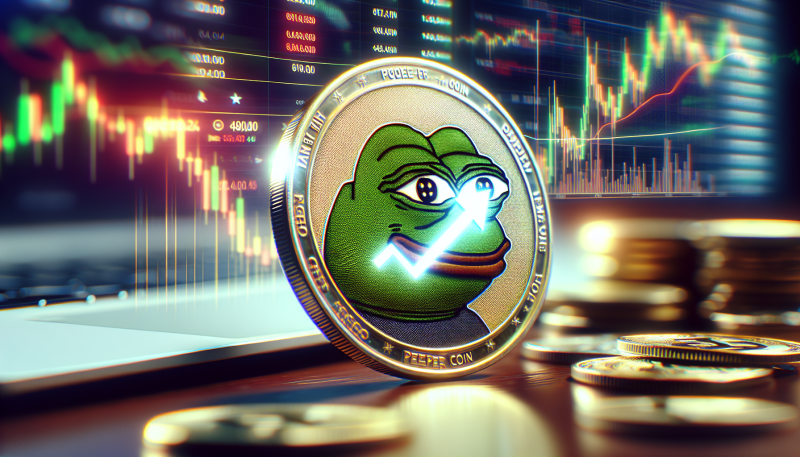
  • Pepe Coin Surges 57.9%, Capturing Attention in the Meme Coin Market

    Pepe Coin Surges 57.9%, Capturing Attention in the Meme Coin Market

    What happened?

    Pepe Coin ($PEPE) has surged massively, recording a 57.9% increase over the past month. This noteworthy rise places it ahead of other leading meme coins and has recently shown a nearly 5% daily increase, making it the top gainer among its peers. The unexpected rally has spurred fresh interest and speculation about its potential to reach new highs in the future.

    Who does this affect?

    This event primarily affects investors in the cryptocurrency and meme coin markets, especially those holding or trading $PEPE. Traders who may have previously been skeptical about the currency are now showing increased interest due to its significant gains. Additionally, it brings a focus on entities interested in meme culture and digital investments as they weigh their strategic decisions in this volatile sector.

    Why does this matter?

    The dramatic rise of $PEPE could impact the broader cryptocurrency market by diverting attention and funds towards meme coins, creating volatility. Such movements can attract more speculative trading, potentially leading to increased market activity and unforeseen price shifts across platforms. Analysts and investors will need to closely watch these developments as they assess the potential for long-term valuation changes against the backdrop of a highly fluid and unpredictable market environment.