Category: News

  • Russia Considers Cryptocurrency as Marital Property in Divorce as Draft Law Advances to PM and Central Bank

    Russia Considers Cryptocurrency as Marital Property in Divorce as Draft Law Advances to PM and Central Bank

    What happened?

    Russian lawmaker Igor Antropenko introduced a draft law to classify cryptocurrency as marital property that can be divided in divorce. The bill would amend Articles 34 and 36 of the Family Code so crypto acquired during marriage is joint property while assets acquired before marriage or received as gifts stay individual. The proposal has been sent to Prime Minister Mikhail Mishustin and Central Bank Chair Elvira Nabiullina for review.

    Who does this affect?

    This directly affects married couples and anyone holding crypto in Russia, because coins bought or earned during marriage could be split in divorce proceedings. It also impacts family lawyers, courts, forensic accountants and exchanges that will need to trace, value and possibly freeze or disclose on-chain assets. Broader market players — institutional investors, DeFi users and policymakers — will watch closely given Russia’s huge crypto activity and $376.3 billion in transfers over the past year.

    Why does this matter?

    Legal clarity on crypto as marital property could push more assets into regulated channels, boost demand for custody, compliance and forensic services, and make on-chain transparency a bigger part of legal disputes. That could increase market legitimacy and tax revenues, while also prompting some holders to liquidate or restructure holdings to avoid division, which could add short-term selling pressure or volatility. With booming adoption, growing DeFi activity and ruble-pegged stablecoins like A7A5 gaining traction, the change would have real implications for liquidity, exchange flows and how crypto is priced and managed in Russia.


  • Kinexys blockchain brings near real-time cross-border FX settlements for Siemens and B2C2, signaling a shift to real-time global payments

    Kinexys blockchain brings near real-time cross-border FX settlements for Siemens and B2C2, signaling a shift to real-time global payments

    What happened?

    JPMorgan’s Kinexys blockchain is now being used by Siemens and crypto market maker B2C2 to execute cross‑border FX transactions in near real time, 24/7. The platform settles dollars, pounds and euros with near‑instant finality, cutting out the multi‑day delays of traditional banking rails. Other firms like loan servicer Trimont are also adopting Kinexys, showing the tech is spreading beyond pilots into practical use.

    Who does this affect?

    This change mainly affects multinational corporations, crypto firms, and liquidity providers who need fast, reliable cross‑border cash movement. Treasury teams, FX desks, and loan servicers benefit from quicker settlements and better cash visibility, while banks and back‑office operations face pressure to adapt. Traders and risk managers also gain more flexibility to deploy capital outside normal banking hours, especially during market volatility.

    Why does this matter?

    Faster, always‑on settlement cuts counterparty and settlement risk, improves liquidity management, and lowers operational costs, which can boost efficiency across global payments and FX markets. As more big firms adopt blockchain rails, trading and treasury flows could shift away from traditional weekend‑limited systems, nudging incumbents to modernize and compete on speed and cost. Over time this could change market dynamics by concentrating activity on real‑time networks, increasing turnover and making markets more responsive to events.

  • Coinbase’s Base to Add Private Transactions After Iron Fish Acquisition, Sparking Privacy Debate in Crypto

    Coinbase’s Base to Add Private Transactions After Iron Fish Acquisition, Sparking Privacy Debate in Crypto

    What happened?

    Coinbase CEO Brian Armstrong announced that Base is building private transactions and said the Iron Fish team was acquired in March 2025. The move drew mixed reactions, with some celebrating better privacy tools and others worrying a centralized exchange promoting privacy might clash with regulations. The announcement came alongside policy pushes from Coin Center and new technical work from the Ethereum Foundation, signaling a broader industry privacy wave.

    Who does this affect?

    This affects Base and Coinbase users, stablecoin issuers, privacy-tool developers, and other exchanges that have to balance privacy with compliance. Regulators and advocacy groups are involved too, since the debate touches AML/KYC rules and Treasury guidance on stablecoins. Institutional players and DeFi projects will watch closely because changes in privacy can reshape onboarding, compliance workflows, and who can safely use crypto rails.

    Why does this matter?

    Market-wise, making privacy a base-layer feature could shift demand toward privacy-preserving chains and zero-knowledge projects, boosting those token and service valuations. It could also trigger increased regulatory scrutiny and higher compliance costs, which might cause short-term volatility and raise legal risks for exchanges and issuers. Over the medium term, stronger privacy could broaden mainstream and institutional adoption, changing liquidity, stablecoin flows, and market structure across crypto.

  • HKEX Tightens Rules for Corporate Crypto Treasuries as Global Regulators Increase Scrutiny

    HKEX Tightens Rules for Corporate Crypto Treasuries as Global Regulators Increase Scrutiny

    What happened? HKEX and other exchanges are tightening rules on companies that want to hoard crypto.

    The Hong Kong Stock Exchange has tightened listing rules and reportedly rejected at least five applications from companies aiming to shift into digital asset treasuries. HKEX says applicants must run viable, sustainable businesses and must show crypto is integrated into their core operations rather than simply hoarding liquid assets. Similar scrutiny is appearing in other markets like India and Australia, which have also blocked or limited firms that plan to hold large “cash-like” crypto positions.

    Who does this affect? Companies trying to become corporate crypto treasuries, their investors, and the ecosystem supporting them.

    Primarily it hits firms planning to convert balance sheets into crypto by filing to list as DATs — they now face higher hurdles and possible rejections. Shareholders and potential investors in those companies must factor in greater regulatory risk and disclosure demands, while exchanges, lawyers, and custodians have to adapt procedures and due diligence. It also affects jurisdictions differently, pushing some issuers to seek friendlier markets or alternative fundraising routes.

    Why does this matter? Tighter rules can shift institutional demand for crypto and change market dynamics.

    If fewer listed companies can freely accumulate bitcoin or other tokens, that reduces one channel of institutional demand and could slow the pace of corporate accumulation that has supported prices. That may increase price volatility and redirect capital to jurisdictions or private vehicles where rules are looser, raising fragmentation in where corporate crypto holdings concentrate. Ultimately, markets will prize credible governance and sustainable business models over raw token hoarding, which could lift firms with clear strategies while dampening speculative buying from corporate treasuries.

  • Global Crypto Adoption Surges in 2025 as Stablecoins Drive Growth and U.S. Trading Tops $1 Trillion

    Global Crypto Adoption Surges in 2025 as Stablecoins Drive Growth and U.S. Trading Tops $1 Trillion

    What happened?

    Crypto adoption jumped worldwide in 2025, led by an 80% surge in South Asia and strong gains in India and Pakistan. The U.S. stayed dominant by volume, crossing $1 trillion in trading after regulatory moves like the GENIUS Act and White House guidance. Stablecoins powered much of the growth, reaching about $4 trillion in transactions while retail activity rose roughly 125% year‑over‑year.

    Who does this affect?

    Retail users, especially in South Asia, are using crypto more for payments, remittances, and as a store of value. Institutions and family offices in the U.S. and Asia increased allocations after clearer rules and strong returns, while Tether and Circle continue to dominate stablecoin supply. Banks, regulators, exchanges, and custody providers all face higher volumes and evolving compliance demands.

    Why does this matter?

    Bigger adoption and $1 trillion+ U.S. volume mean deeper liquidity and larger markets for trading, custody, and crypto financial products. The rise of stablecoins creates faster, cheaper rails for payments but also concentrates risk around a few large issuers. Together this attracts more institutional capital and innovation while raising the stakes for regulators and market infrastructure as crypto moves into the mainstream.

  • Major Crypto Wallets Team Up With SEAL to Launch Global Phishing Defense Network

    Major Crypto Wallets Team Up With SEAL to Launch Global Phishing Defense Network

    What happened?

    Major crypto wallets including MetaMask, Phantom, WalletConnect and Backpack teamed up with SEAL to create a global phishing defense network. The system lets anyone submit verifiable phishing reports that are automatically validated and broadcast across participating wallets. It’s meant to stop fast-rotating phishing sites and prevent mass-drainer attacks that have stolen over $400 million in the first half of 2025.

    Who does this affect?

    Every crypto user who stores funds in software wallets will benefit because phishing is the top cause of losses this year. Wallet providers, security researchers, and exchanges also gain from faster threat sharing and fewer outbreaks. Attackers will face more friction, but smaller projects and users on less-connected wallets may still be vulnerable until coverage expands.

    Why does this matter?

    By cutting phishing losses and improving response times, the network could boost user confidence and reduce the frequency of panic-driven sell-offs. That should help stabilize token prices, lower security-related insurance costs, and make DeFi products more attractive to cautious capital. However, sustained market improvement depends on broad adoption across wallets and continuous updates to stay ahead of evolving attacker tactics.

  • Hong Kong Approves Its First Solana Spot ETF, With Trading Set to Begin Oct 27

    Hong Kong Approves Its First Solana Spot ETF, With Trading Set to Begin Oct 27

    What happened?

    Hong Kong’s Securities and Futures Commission approved the city’s first Solana (SOL) spot ETF, managed by China Asset Management (Hong Kong), and it will begin trading on October 27 on the OSL Exchange. The ETF is the third crypto spot product cleared in Hong Kong after Bitcoin and Ethereum, carries an estimated annual expense ratio of about 1.99% and has a roughly $100 minimum investment per trading unit of 100 shares. This approval follows growing global momentum for Solana spot ETFs, with several issuers filing or receiving clearance in other markets.

    Who does this affect?

    Retail investors in Hong Kong get a regulated, relatively low-cost way to gain direct exposure to SOL, while institutional investors gain a custody-backed vehicle that’s easier to trade and allocate into portfolios. Fund managers, exchanges, and custodians like OSL will see increased business from listings, custody, and settlement activity. Solana developers and token holders could benefit if ETF inflows raise on-chain activity and demand for SOL.

    Why does this matter?

    ETF approval can unlock new pools of capital and bring more liquidity to Solana, which tends to put upward pressure on price and reduce trading frictions. With parallel approvals and filings globally, wider ETF availability raises the chance of significant inflows that could drive SOL’s market cap higher and increase institutional adoption. More tradable, regulated products also boost competition among issuers, likely expand retail participation, and make crypto a more mainstream allocation in investor portfolios.

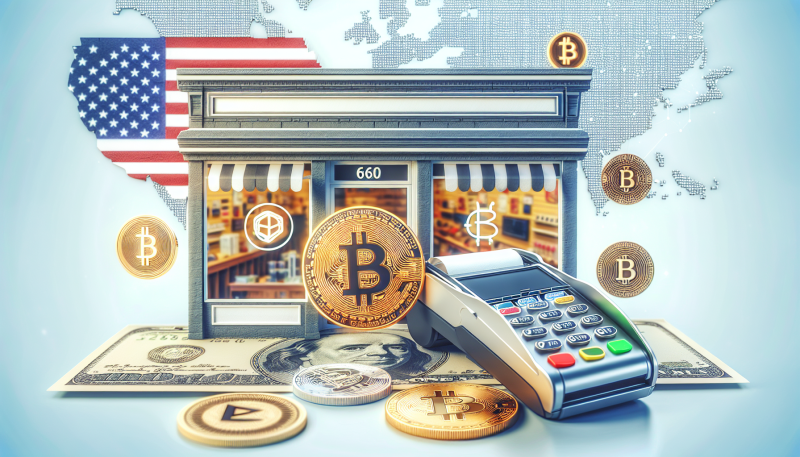
  • Bealls Expands Crypto Payments to 660 Stores Across 22 States with Flexa

    Bealls Expands Crypto Payments to 660 Stores Across 22 States with Flexa

    What happened? Bealls is now accepting crypto payments at hundreds of stores.

    Bealls, a 110-year-old U.S. retailer, partnered with Flexa to accept more than 99 cryptocurrencies — including memecoins and stablecoins — across about 660 stores in 22 states. The point-of-sale integration lets customers pay from over 300 digital wallets and represents one of the largest planned in-store crypto rollouts so far. The company framed the move as part of preparing for the future of commerce as it celebrates its 110th anniversary.

    Who does this affect? Shoppers, crypto holders, and the retail payments industry.

    Customers who hold crypto now have a straightforward way to spend digital assets in-store, which could increase real-world crypto usage. Payments platforms like Flexa and wallet providers stand to gain from higher transaction volumes and visibility. Competing retailers and payment processors will be watching closely and may face pressure to offer similar crypto options to avoid losing crypto-friendly customers.

    Why does this matter? It could accelerate mainstream crypto adoption and shift the payments market.

    Expanding merchant acceptance at scale removes a major adoption barrier and makes crypto more useful for everyday purchases, potentially increasing demand for wallets, stablecoins, and payment rails. This move can validate crypto payment solutions, attract more partnerships between retailers and fintechs, and boost revenues for crypto payments providers. If other national retailers follow, it could reshape competition, fee structures, and investment priorities across the payments and retail sectors.

  • Crypto Markets Slump as U.S.-China Tensions Resurface, Layer-2 Tokens Lead Declines

    Crypto Markets Slump as U.S.-China Tensions Resurface, Layer-2 Tokens Lead Declines

    What happened? Crypto markets slipped as U.S.–China trade tensions resurfaced, wiping out recent gains.

    The crypto market fell sharply after renewed U.S.–China tensions and a remark that a planned Trump–Xi meeting “may not happen,” erasing a recent rebound. Layer-2 tokens led the decline, with Starknet down about 7% and Mantle near 9%, while Ethereum slipped roughly 2% below $3,900 and Bitcoin dropped to around $108,000. Most sectors, including Layer-1, PayFi, Meme, DeFi, and CeFi, were down over 1.5%, pointing to broader market weakness.

    Who does this affect? Traders, token holders, and Layer-2 projects are feeling the immediate impact.

    Short-term traders and leveraged positions are most exposed to the sudden sell-off and higher volatility, risking liquidations and losses. Holders of Layer-2 tokens like STRK and MNT took bigger hits as that sector led declines, while broad market participants saw portfolio values fall with BTC and ETH. Institutional and retail investors alike face mark-to-market losses and may reassess risk allocations amid renewed geopolitical uncertainty.

    Why does this matter? Geopolitical headlines can quickly sap risk appetite, raising volatility and hurting liquidity across crypto markets.

    A renewed risk-off mood can drive faster outflows from speculative tokens and widen trading spreads, making it costlier to enter or exit positions. Continued volatility could delay new capital inflows, slow ecosystem activity, and put downward pressure on token valuations, especially in Layer-1 and Layer-2 projects. For market participants, that means higher short-term risk, potential margin calls, and a reminder that macro and geopolitical events still move crypto prices.

  • Trump insider whale expands massive BTC short and moves BTC to Binance, signaling renewed downside risk for Bitcoin

    Trump insider whale expands massive BTC short and moves BTC to Binance, signaling renewed downside risk for Bitcoin

    What happened?

    A long-time crypto whale nicknamed the “Trump insider” increased his leveraged short to 2,100 BTC (about $227M) and transferred 3,003 BTC to Binance, suggesting he may be taking profits or repositioning. He opened the short around $111,000 with 10x leverage and currently shows a floating profit of roughly $5.8M. This move follows a pattern of aggressive bearish bets after the Oct. 10–11 crash and additional deposits used to expand his shorts.

    Who does this affect?

    Other leveraged traders and derivatives markets are most directly affected because large whale positions can change funding rates and increase liquidation risk. Exchanges and margin platforms may see higher volatility and trading flow as the whale adjusts or closes positions. Institutional and retail investors watching big-wallet moves may alter their exposure, which can amplify price swings and liquidity shifts.

    Why does this matter?

    A massive, well-timed short from a known whale raises the chances of renewed downside pressure and higher short-term volatility in Bitcoin. If the whale scales in or out, it could trigger liquidations or prompt defensive selling that pushes BTC toward key levels like $100,000. Traders and funds may treat this as a read on institutional sentiment heading into the end of 2025, influencing flows across both spot and derivatives markets.