Category: News

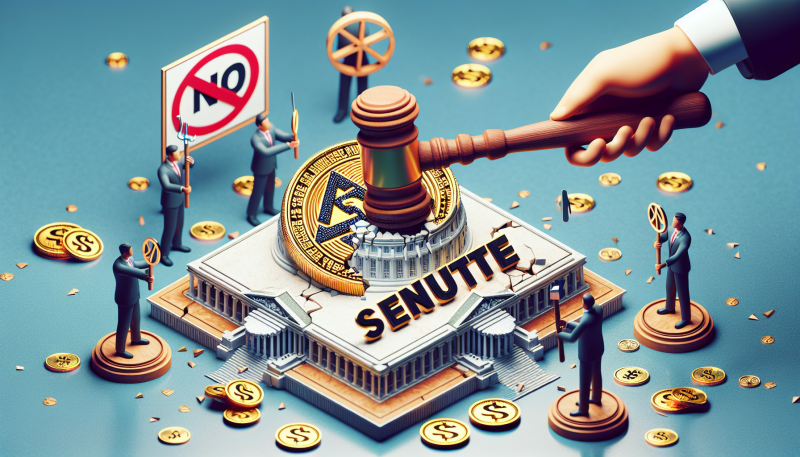
  • Taiwanese Lawmaker Proposes Inclusion of Bitcoin in National Reserves

    Taiwanese Lawmaker Proposes Inclusion of Bitcoin in National Reserves

    What happened?

    A Taiwanese lawmaker, Ko Ju-Chun, advocated for the inclusion of Bitcoin in Taiwan’s national reserves during a speech at the National Finance Conference. He suggested that Taiwan consider Bitcoin as part of its reserve strategy, alongside traditional assets like gold and foreign exchange reserves. Ko emphasized Bitcoin’s potential as a strategic hedge against global economic risks and regional instability.

    Who does this affect?

    This initiative primarily affects Taiwan’s government and financial sectors as they consider adjusting their national reserve strategies. It also impacts the cryptocurrency market and Bitcoin investors, given Taiwan’s potential shift towards integrating Bitcoin. Furthermore, it could influence the regulatory landscape in Taiwan as the Financial Supervisory Commission (FSC) works to create comprehensive virtual asset regulations.

    Why does this matter?

    Incorporating Bitcoin into Taiwan’s reserves could have significant market implications, signaling a major step towards mainstream acceptance of cryptocurrencies in national financial strategies. This move may increase Bitcoin’s legitimacy as a reserve asset, potentially driving demand and price. Additionally, Taiwan’s regulatory advancements in virtual asset oversight demonstrate a cautious yet progressive stance towards digital currencies, which could attract more institutional interest and investment in the crypto market.

  • Michelle Bond Accuses Prosecutors of Deception in Plea Deal Controversy

    Michelle Bond Accuses Prosecutors of Deception in Plea Deal Controversy

    What happened?

    Michelle Bond, the wife of former FTX executive Ryan Salame, accused federal prosecutors of using “stealth and deception” to pressure Salame into accepting a plea deal. In court filings, Bond claims that prosecutors promised her she wouldn’t face prosecution related to campaign finance violations from her 2022 congressional campaign if Salame pleaded guilty. However, she alleges that prosecutors did not honor this promise, leading to charges against her despite Salame’s plea agreement.

    Who does this affect?

    This situation primarily affects Michelle Bond and Ryan Salame, as Bond faces charges related to campaign finance violations and Salame is serving a seven-year sentence for unrelated crimes. It also affects the broader crypto community, especially those associated with FTX, as the legal issues of its former executives continue to unfold. Additionally, it impacts political stakeholders, given the allegations of illegal campaign finance activities tied to Bond’s congressional run.

    Why does this matter?

    This case highlights potential prosecutorial misconduct or overreach, which can have significant implications on public trust in the justice system. The ongoing legal troubles surrounding FTX’s former executives may further impact market sentiment towards cryptocurrency platforms, potentially increasing regulatory scrutiny. The unfolding events could also influence public perceptions of campaign finance integrity and the potential consequences of financial misconduct within political campaigns.

  • Senate’s Failure to Pass GENIUS Act Raises Concerns Over U.S. Competitiveness in Stablecoin Market

    Senate’s Failure to Pass GENIUS Act Raises Concerns Over U.S. Competitiveness in Stablecoin Market

    What happened?

    A close Senate vote failed to pass the GENIUS Act, legislation aimed at establishing a regulatory framework for stablecoins in the U.S. Ripple CEO Brad Garlinghouse criticized this decision, stating it puts the U.S. behind in the global race for stablecoin dominance. The U.S. Treasury Secretary also expressed concern that delaying regulation gives a competitive edge to other nations accumulating wealth through dollar-pegged tokens.

    Who does this affect?

    This decision impacts several groups, including cryptocurrency companies, lawmakers, and financial institutions interested in digital currencies. Entrepreneurs in the crypto space may face more uncertainty without clear regulations to guide stablecoin activities. The failure to pass the act also draws political interest, with further scrutiny on President Trump’s potential crypto ventures and related ethics concerns.

    Why does this matter?

    The failure to pass the GENIUS Act could have significant market implications, as it denies the U.S. a chance to establish a strong position in the growing stablecoin market. Without clear regulations, the U.S. risks losing investments and innovation opportunities to countries with more progressive crypto policies. This regulatory void may cost the U.S. billions and limit its influence over the future digital financial landscape.

  • Significant Developments in the Crypto World: Trump, Stablecoins, and SEC Roundtable Insights

    Significant Developments in the Crypto World: Trump, Stablecoins, and SEC Roundtable Insights

    What happened?

    This week saw significant developments in the crypto world, including President Donald Trump’s connections to the crypto industry, a failed vote on a stablecoin regulation bill, and an upcoming SEC roundtable on tokenization. The SEC plans to host a roundtable on May 12 that will bring together major financial and crypto firms to discuss tokenization. Amidst this, a Senate panel is probing Trump’s involvement in crypto ventures, and new legislation aims to curb crypto roles for federal officials.

    Who does this affect?

    The events impact a wide range of stakeholders including political figures, crypto investors, regulators, and financial institutions. Those directly involved with or invested in Trump’s crypto ventures may face legal and ethical scrutiny. Additionally, stablecoin issuers, users, and the broader crypto market are affected by the stalled GENIUS Act and the fragmented regulatory landscape it leaves behind.

    Why does this matter?

    These updates have potential market implications as they could influence investor confidence and regulatory environment stability. The SEC roundtable might indicate future tokenization policies, affecting both traditional and decentralized finance markets. The failure of the GENIUS Act highlights ongoing regulatory uncertainty around stablecoins, impacting their integration into mainstream financial systems and potentially affecting the dollar’s positioning globally.

  • Senate Rejects GENIUS Act, Impeding U.S. Stablecoin Regulation and Global Leadership

    Senate Rejects GENIUS Act, Impeding U.S. Stablecoin Regulation and Global Leadership

    What happened?

    The U.S. Senate narrowly voted 48-49 against advancing the GENIUS Act, a bill aimed at establishing a comprehensive federal framework for stablecoin regulation. Treasury Secretary Scott Bessent criticized this decision as a missed opportunity to lead the global stablecoin market. The rejection reflects ongoing political divisions and concerns about national security and anti-money laundering within the bill’s provisions.

    Who does this affect?

    The failure to advance the GENIUS Act primarily affects the U.S. cryptocurrency market, developers, and investors who seek clarity and stability in regulatory frameworks. It also impacts policymakers and lawmakers who are navigating the complex landscape of digital asset regulation. Additionally, it affects global markets that might look to U.S. leadership in setting standards for stablecoins and digital currencies.

    Why does this matter?

    The Senate’s rejection of the GENIUS Act could have significant market implications by maintaining a fragmented regulatory environment across states, potentially reducing U.S. competitiveness in the global crypto market. Without unified regulations, there is a risk that innovation and development in digital assets could move overseas. This decision also affects the U.S. dollar’s dominance in the global economy, as stablecoin integration could bolster its status as the world’s reserve currency.

  • German Police Seize €34 Million in Cryptocurrency from eXch Amid Bybit Hack Investigation

    German Police Seize €34 Million in Cryptocurrency from eXch Amid Bybit Hack Investigation

    What happened?

    On May 8, German police seized €34 million ($38 million) in cryptocurrency from the platform eXch during an investigation into its alleged role in laundering funds stolen during Bybit’s massive $1.4 billion hack. The authorities also confiscated over eight terabytes of data from eXch’s servers, effectively shutting down the platform. This marks one of the largest crypto seizures in Germany’s history and highlights eXch’s involvement in significant illicit financial activities.

    Who does this affect?

    The seizure affects eXch users, particularly those who were using the platform for illegal activities, as it was a hub for laundering stolen cryptocurrency. Law enforcement agencies and regulatory bodies worldwide could feel the impact as they continue to crack down on similar illegal operations. Additionally, the crypto market participants, including traders and investors, may experience increased scrutiny and regulation affecting how they conduct their activities.

    Why does this matter?

    This event underscores the vulnerabilities within the cryptocurrency market that can be exploited for illegal purposes, potentially eroding trust in the system. It highlights the ongoing efforts by authorities to regulate and ensure the legitimacy of crypto transactions, which could have implications for market stability and future regulations. The crackdown also serves as a warning to other platforms that noncompliance with anti-money laundering regulations will not be tolerated, potentially leading to tighter regulations and oversight in the crypto industry.

  • U.S. Judge Sentences Man to 30 Years for Funding ISIS through Cryptocurrency

    U.S. Judge Sentences Man to 30 Years for Funding ISIS through Cryptocurrency

    What happened?

    A U.S. federal judge sentenced Mohammed Azharuddin Chhipa to over 30 years in prison for funneling $185,000 in cryptocurrency to ISIS. Between 2019 and 2022, Chhipa raised funds online, converted them to crypto, and sent them to ISIS operatives in Turkey. This money was used to pay ISIS fighters and assist female member escapes from prisons.

    Who does this affect?

    This situation affects various stakeholders, including government agencies focused on combating terrorism financing, individuals involved in illegal fundraising activities, and the wider cryptocurrency industry. Law enforcement agencies are increasingly targeting crypto-enabled terrorism funding schemes. Regular users of cryptocurrency may also feel a heightened sense of scrutiny and regulation as authorities intensify their crackdown.

    Why does this matter?

    This case illustrates the growing concern about cryptocurrency being misused to fund terrorism, impacting how markets perceive digital currencies. Financial institutions and regulators may implement stricter measures and controls to monitor and prevent illicit activities involving crypto. As authorities take stronger actions against crypto terrorism financers, the cryptocurrency market could experience increased regulation, affecting its growth and adoption.

  • Pi Network Faces Volatility Amid Binance Listing Rumors and Upcoming Token Unlock

    Pi Network Faces Volatility Amid Binance Listing Rumors and Upcoming Token Unlock

    What happened?

    The Pi Network is experiencing volatility as rumors of a Binance listing have fueled interest, but challenges are emerging. The price has struggled to break the $0.80 resistance level since mid-April. An upcoming unlock of $18 million in PI tokens over the weekend could increase inflationary pressure and impact prices.

    Who does this affect?

    This affects current and potential investors in Pi Network who are watching price fluctuations and market trends. Traders and speculators attracted by the Binance listing rumors will be particularly attentive. Additionally, existing PI token holders may face changes in the value of their investments due to market reactions to these developments.

    Why does this matter?

    The events surrounding Pi Network can significantly impact the cryptocurrency market by influencing other speculative coins. A surge or drop in PI prices could trigger similar movements in related cryptocurrencies, affecting overall market sentiment. As Pi Network remains a topic in the “best crypto to buy” discussions, its performance might impact investor confidence across the market.

  • Ripple Labs Reaches Settlement with SEC: Implications for the Cryptocurrency Market

    Ripple Labs Reaches Settlement with SEC: Implications for the Cryptocurrency Market

    What happened?

    The U.S. Securities and Exchange Commission (SEC) and Ripple Labs reached a settlement on May 8, 2025, concluding a legal battle that started in December 2020. Ripple agreed to pay a $50 million penalty, significantly reduced from the initially imposed $125 million fine, and both parties will drop their appeals if a court lifts the injunction against Ripple. However, SEC Commissioner Caroline Crenshaw criticized this settlement, expressing concern over its impact on the agency’s authority and investor protections.

    Who does this affect?

    This legal settlement primarily affects Ripple Labs, its investors, and other participants in the cryptocurrency market, as it resolves significant legal uncertainty surrounding Ripple’s operations. The decision also impacts the SEC and its regulatory stance, highlighting internal divisions within the agency on how to handle cryptocurrency enforcement. Investors in XRP and potentially other cryptocurrencies are directly affected, given changes in market sentiment following such high-profile legal outcomes.

    Why does this matter?

    The Ripple settlement is significant as it marks a shift in the SEC’s approach toward cryptocurrency regulation, potentially indicating a more lenient stance compared to previous aggressive measures. This development can lead to increased market confidence, as seen with the immediate surge in XRP’s price following the settlement announcement. Moreover, it underscores ongoing debates about regulatory clarity in the crypto market, influencing both current and future industry players’ strategies and investments.

  • Fartcoin Surges 20% Amid Hopes for Reduced Global Tariffs, Impacting Cryptocurrency Market

    Fartcoin Surges 20% Amid Hopes for Reduced Global Tariffs, Impacting Cryptocurrency Market

    What happened?

    Fartcoin has experienced a sharp increase, rising by 20% to $1.32, with the overall cryptocurrency market also seeing a 4% boost in the past 24 hours. This spike is attributed to a recent trade deal between the UK and the US, sparking expectations that global tariffs might soon be reduced. Fartcoin’s recent momentum suggests it could continue to appreciate, although it’s still down 47% from an all-time high of $2.48 reached earlier this year.

    Who does this affect?

    This development directly impacts Fartcoin investors and traders who are speculating on its future value, as well as those involved in the broader cryptocurrency market. Retail traders and whales seem particularly interested, as large purchases continue to be made without significant sell-offs. Additionally, anyone monitoring meme coins will be affected, given Fartcoin’s potential to influence trends within this niche segment of the crypto ecosystem.

    Why does this matter?

    The surge in Fartcoin’s value could influence market sentiment, potentially leading to increased optimism and investment in meme coins. If the positive momentum continues and broader trade deals materialize, Fartcoin could see further price increases, possibly hitting $1.50 soon and even reaching $10 by the end of the year. As a decentralized meme coin, it might become increasingly attractive in comparison to other altcoins with less perceived security, thus playing a pivotal role in shaping the future dynamics of crypto asset trading.