
Category: News

  • SIMCARTEL Shutdown Highlights Vulnerabilities in SMS-Based 2FA and Online Fraud

    SIMCARTEL Shutdown Highlights Vulnerabilities in SMS-Based 2FA and Online Fraud

    What happened?

    Europol and partner agencies shut down a sophisticated SIM-farm syndicate called “SIMCARTEL” that created more than 49 million fake online accounts and rented temporary phone numbers to bypass SMS-based two-factor authentication. Authorities executed coordinated raids, made seven arrests, and seized servers, hundreds of SIM devices, cash and cryptocurrency. The operation supplied these virtual phone identities to criminals who used them for phishing, smishing, money laundering and large-scale fraud.

    Who does this affect?

    This impacts everyday users whose accounts and funds could be hijacked, as well as social platforms, e-commerce sites, banks and cryptocurrency exchanges that relied on phone verification. It also hits companies offering or using these SIM-for-hire services and the victims of the scams who suffered financial and privacy losses. Law enforcement, compliance teams and security vendors are affected too, since they now need to reassess how to detect and block mass-produced fake identities.

    Why does this matter?

    This matters for markets because it exposes a systemic security weakness that helped fuel billions in crypto and online fraud, which can erode trust in exchanges and fintech services. Expect heavier regulatory scrutiny, higher compliance and security costs, and a faster shift away from SMS 2FA toward stronger methods like hardware keys or app-based authenticators—changes that may raise short-term operating costs and slow user onboarding. Over time, better defenses should reduce fraud losses and restore confidence, but some firms could face short-term reputational damage and volatility in customer flows and asset prices.

  • Wyoming Tests State-Backed FRNT Stablecoin Across Seven Blockchains

    Wyoming Tests State-Backed FRNT Stablecoin Across Seven Blockchains

    What happened?

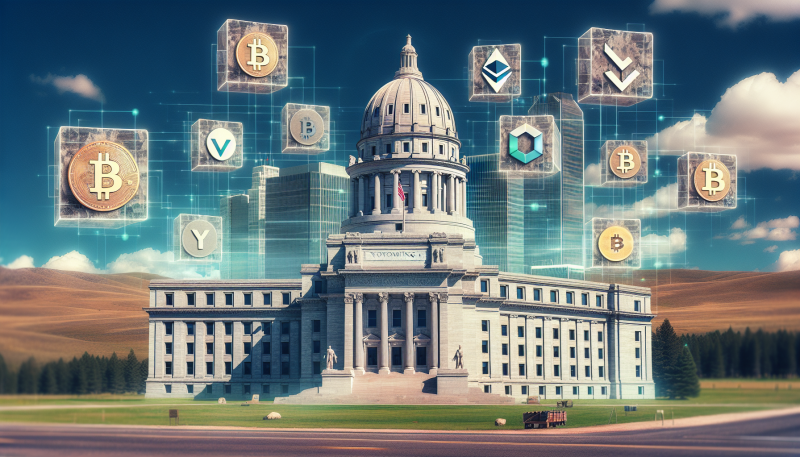
    Wyoming deployed 100,000 FRNT stablecoins to each of seven major blockchains — Solana, Ethereum, Arbitrum, Base, Optimism, Polygon, and Avalanche — as a multi-chain test totaling 700,000 tokens. This is the first on-chain activity since the state launched the Frontier Stable Token, which is fully backed by dollars and short-term U.S. Treasuries and channels yield to the state education fund. The rollout looks like a testing phase with audits, monthly attestations, and a previously piloted payment use case, but public access is still delayed by regulatory and compliance checks.

    Who does this affect?

    Wyoming residents and the state government could benefit if yield from the reserves funds education and speeds up payments to contractors, as seen in the Avalanche pilot. Crypto users, developers, and exchanges like Kraken are affected because the multi-chain deployment touches liquidity, custody, and access across major networks. Broader stakeholders — banks, regulators, and global stablecoin issuers — are watching closely since this is a novel government-issued stablecoin that could change standards for compliance and market competition.

    Why does this matter?

    This matters because a state-backed, audited stablecoin operating across multiple blockchains adds a new, regulated player to a market dominated by private issuers, which could shift liquidity and credibility toward government-linked tokens. Big banks and international financial players are already racing to launch their own stablecoins, so Wyoming’s move could accelerate competition, regulatory clarity, and institutional adoption. If FRNT gains trust and usage, it could influence pricing, market share, and the future roadmap of stablecoin products, potentially reshaping parts of the payments and crypto asset markets.

  • DeFiLlama Relists Aster After Suspected Wash Trading Prompting Data Integrity and Market Risk Concerns

    DeFiLlama Relists Aster After Suspected Wash Trading Prompting Data Integrity and Market Risk Concerns

    What happened?

    DeFiLlama quietly relisted perpetual exchange Aster after previously delisting it over suspected wash trading because its volumes mirrored Binance’s. The relisting happened without a clear public explanation and DeFiLlama admits it still can’t fully verify Aster’s underlying order data, leaving gaps in historical metrics. Despite the unresolved questions, Aster now shows massive reported volumes and open interest while the project delayed an airdrop and its token has fallen sharply.

    Who does this affect?

    Traders and analysts who rely on DeFiLlama’s charts for market signals could be working off misleading numbers, which affects trading decisions and risk models. Aster users, token holders, and competing perpetual platforms are directly impacted — holders face price volatility and rivals face distorted market-share comparisons. Data platforms and the wider DeFi community are also hurt because this episode undermines trust in third-party analytics and on-chain transparency.

    Why does this matter?

    Market integrity is at stake: unverifiable or inflated volumes can misallocate capital, create fake liquidity signals, and amplify short-term flows into a platform that may not be as healthy as it looks. That can increase volatility, raise risk premia for perpetual markets, and prompt traders to pull capital toward venues perceived as more transparent. In the longer run it could push tighter oversight from analytics providers and regulators, reshape fee competition and liquidity patterns, and dent overall investor confidence in DeFi metrics.

  • Crypto Surges to Record Highs, Then Dips on Tariff News as ETFs and Regulation Headlines Shape Outlook

    Crypto Surges to Record Highs, Then Dips on Tariff News as ETFs and Regulation Headlines Shape Outlook

    What happened? Crypto surged to record highs and then dropped after tariff news.

    Bitcoin blasted to a record $126,080 in early October and lifted many altcoins and meme tokens. That optimism reversed quickly after Trump announced a 100% tariff on Chinese goods, triggering a steep crypto sell-off and a shift to risk-off trading ahead of the Fed’s FOMC meeting. Many analysts see the drop as a healthy reset that flushes excess leverage and weak hands, potentially setting the stage for a stronger bull run later.

    Who does this affect? Traders, institutions, major crypto projects and payment platforms.

    Retail traders with high leverage were hit hardest, while institutional players are pausing for ETF and regulatory clarity. Major coins like XRP, Solana, and Dogecoin, plus hyped presales like Bitcoin Hyper, could see big moves as ETFs, regulation, and adoption headlines flow through the market. Exchanges, payment platforms, and projects with real-world use cases will feel the impact most, since adoption news and regulation determine where capital flows.

    Why does this matter? Approval of ETFs, regulation, and macro headlines could trigger major inflows and reshape the market.

    If spot ETFs get approved and regulation becomes clearer, expect large institutional inflows that could drive prices much higher across large-cap altcoins and Bitcoin. The current correction may actually improve long-term market health by removing weak hands and creating a cleaner foundation for a major upward run. That means traders and investors should watch ETF decisions, the FOMC, and geopolitics closely because those catalysts will likely decide whether this pause becomes the calm before a big rally or a longer downturn.

  • AI-Driven Forecasts Fuel XRP, ADA and BNB Moves Amid Tariffs and Fed Watch

    AI-Driven Forecasts Fuel XRP, ADA and BNB Moves Amid Tariffs and Fed Watch

    What happened?

    Anthropic’s Claude AI released bullish price forecasts for XRP, Cardano, and BNB while markets lurched after President Trump announced 100% tariffs on Chinese imports, sparking a sharp crypto pullback. Traders are nervously watching the upcoming Federal Reserve meeting for any signs of easing that could restore risk appetite. Some experienced market participants see the recent correction as a healthy cleanup of excess speculation and leverage ahead of a potential stronger rally.

    Who does this affect?

    Retail and institutional investors holding XRP, ADA, and BNB face direct upside or downside depending on how sentiment and macro news evolve. Exchanges, ETF hopefuls, and DeFi projects tied to these tokens could see trading volumes and capital flows shift quickly. Speculative traders and meme-coin investors, like those in the Maxi Doge presale, are also vulnerable to big swings in sentiment and liquidity.

    Why does this matter?

    Big AI-driven price forecasts can fuel FOMO and drive substantial inflows into altcoins, boosting their market caps if risk-on buying returns. At the same time, macro shocks (tariffs, Fed policy) can rapidly withdraw liquidity and spike volatility, reversing rallies and reallocating capital back to safer assets. If regulatory progress, ETF approvals, or renewed buying materialize, XRP, ADA, and BNB could capture more market share from BTC and reshape portfolio allocations, while meme coins could amplify short-term speculative flows.

  • Snorter Bot Token Presale Extended as SNORT Price Locks at $0.1083

    Snorter Bot Token Presale Extended as SNORT Price Locks at $0.1083

    What happened?

    The final week to buy Snorter Bot Token (SNORT) is underway with the presale extended until October 27 at 2 p.m. UTC. Investors rushed in over the weekend, pushing the raise past $5.2 million with more than $300,000 in buys, and the token price is currently locked at $0.1083 — the same as its upcoming listing price. SNORT backs a Solana-based Telegram trading bot that pairs meme-coin branding with real trading infrastructure, offering staking, fee discounts and copy-trading features.

    Who does this affect?

    Early investors and meme-coin hunters are the most directly affected since they can still buy SNORT at the presale price. Traders who need fast execution and multi-chain token discovery—especially Solana and Binance users and Telegram bot communities—stand to benefit from the bot’s speed and low fees. Competing bot projects, DeFi traders, and the broader meme-coin ecosystem may also feel pressure as Snorter’s capital, tech and marketing shift attention and liquidity toward its launch.

    Why does this matter?

    If SNORT gains traction after listing, its mix of real utility, strong funding and fast execution could funnel significant capital into the project and trigger outsized short-term price moves like recent meme-coin flips. That could increase volatility across meme coins, draw speculative inflows to Solana and related assets, and force competing bots to evolve or lose market share. For markets, the main takeaway is higher short-term upside and risk — big gains are possible, but rapid rotations and sell-offs are equally likely.

  • Ethereum Could Rally to $5,000 if ETH/BTC Breaks 0.087 as Institutions Accumulate and Risks Grow

    Ethereum Could Rally to $5,000 if ETH/BTC Breaks 0.087 as Institutions Accumulate and Risks Grow

    What happened?

    Tom Lee said Ethereum could rally toward $5,000 if the ETH/BTC pair breaks above the 0.087 resistance level. Bitmine aggressively bought more ETH and now holds about 3.24 million ETH, roughly 2.7% of the supply, while other analysts like Bollinger and Ray Youssef also see a possible move to $5,000. The call comes after a big market deleveraging and amid mixed flows into Ether ETFs and a growing validator exit queue.

    Who does this affect?

    Institutional buyers and large holders such as Bitmine would benefit most from a structural breakout and could drive even more accumulation. Traders and retail investors in ETH, ETH/BTC pairs, and related ETFs face outsized volatility and potential liquidation risk if momentum shifts quickly. DeFi participants and stakers are also exposed because a huge validator exit queue and liquidity strains could amplify price moves and withdrawal delays.

    Why does this matter?

    If ETH/BTC clears 0.087 it could trigger a major reallocation of capital into Ethereum, sending prices into discovery and potentially flipping market leadership away from Bitcoin. Lee’s valuation framework implies far higher fair values for ETH relative to BTC, so institutional flows and tokenization trends could materially reshape market structure and on-chain settlement dominance. At the same time, large exit queues, ETF outflows and macro uncertainty mean any rally could be fast and volatile, creating big upside and downside risks for the broader crypto market.

  • Altcoin Season Index Falls to the Mid-20s as Market Breadth Narrows and Risk Concentrates

    Altcoin Season Index Falls to the Mid-20s as Market Breadth Narrows and Risk Concentrates

    What happened?

    The Altcoin Season Index fell to the mid-20s, showing that breadth is thin and risk is very selective. A few names popped — FLOKI spiked after an Elon Musk post, Dash rose on increased spot turnover, and FET rallied with renewed interest in AI tokens. Overall the market is favoring quick, liquid moves rather than broad, sustained buying.

    Who does this affect?

    Traders and portfolio managers who count on broad altcoin rallies are affected because meaningful moves are coming from just a handful of liquid names. Retail and social-driven traders can see big, fast spikes like FLOKI, while liquidity providers and institutional desks must manage concentrated order-book risk. Anyone trying to size positions should watch cross-venue volume, funding rates, and depth before committing capital.

    Why does this matter?

    Narrow participation raises execution and reversal risk, so gains can evaporate quickly if volumes or funding normalize. That funnels capital toward tokens with clear catalysts, deep books, and consistent multi-venue liquidity, letting pockets outperform broader indexes. If those indicators strengthen the altcoin index could quietly rebuild, but if they fade the market is likely to head-fake and reward patience over conviction.

  • Musk Tweet Triggers 30% FLOKI Surge as Europe Listing Brings Regulated Access and Meme Coin Volatility

    Musk Tweet Triggers 30% FLOKI Surge as Europe Listing Brings Regulated Access and Meme Coin Volatility

    What happened?

    Elon Musk jokingly named Flōki the X CEO and a single post sparked a rush of buying that sent FLOKI up about 30% in 24 hours. Traders took the tweet as a shill after the token had dropped roughly 43% over the past three months. The surge lines up with Floki gaining regulated exposure in Europe via Valour Floki (FLOKI) SEK and bullish technical signs that point to a possible breakout.

    Who does this affect?

    Retail traders and speculators in meme coins are the most affected since they drive the quick price moves and face big upside and downside risk. Institutional or TradFi investors may start paying attention because the Valour FLOKI SEK product creates a regulated on-ramp in Europe. Exchanges, market makers and users of trading bots also feel the impact as volatility creates both fresh opportunities and execution risks.

    Why does this matter?

    Musk-driven social posts can trigger big, fast swings that amplify sentiment across small-cap tokens and suck liquidity into the meme-coin space. If FLOKI reclaims key technical levels and the European listing brings real money, it could spark a wider meme-coin rally and push prices much higher in the short term. At the same time, that dynamic increases market volatility and tail-risk, so gains could reverse quickly if the hype fades.

  • X Launches XHandles Marketplace for Buying Usernames; DOGE Could Be Added as Payment Option

    X Launches XHandles Marketplace for Buying Usernames; DOGE Could Be Added as Payment Option

    What happened?

    Elon Musk’s X announced a new marketplace called XHandles where people can buy and sell usernames. Telegram did something similar earlier using TON, and Dogecoin fans now expect DOGE to be added to X’s payments given Musk’s track record. The news helped DOGE bounce back above $0.20 and momentum indicators look bullish ahead of a possible ETF decision.

    Who does this affect?

    It matters to X users and username collectors who want official ways to buy sought-after handles. It also affects DOGE holders, traders, and whales who might buy in if DOGE becomes a payment option on X. Meme-coin projects and presales like Maxi Doge, plus institutional players watching ETF developments, could all see changes in demand and capital flows.

    Why does this matter?

    If DOGE gets integrated into XHandles it could create real utility-driven demand that pushes price higher and strengthens bullish momentum. Increased attention may pull retail and institutional money into DOGE and other meme coins, boosting liquidity but also raising volatility. Still, broader market conditions and events like ETF approval or macro moves (e.g., tariffs) will determine whether any rally is sustained.