Category: News

  • Bitcoin Price Stalls Below Key Resistance Amid Mixed Market Signals

    Bitcoin Price Stalls Below Key Resistance Amid Mixed Market Signals

    What happened?

    Bitcoin’s price is currently stuck just below a key resistance level at $95,643, forming a potential triple top on the chart. The market is showing indecision as positive news from India’s crypto development contrasts with delays in U.S. crypto ETF approvals. A break of the $95.6K level could signal a significant move in Bitcoin’s price direction.

    Who does this affect?

    The situation affects a wide range of stakeholders including investors, traders, and institutional players in the cryptocurrency space. Individuals interested in Bitcoin and other major cryptocurrencies will find their investment outlook influenced by these developments. Additionally, emerging markets like India are seeing increased interest from companies looking to invest in local talent and innovation.

    Why does this matter?

    This matters because it highlights ongoing challenges and opportunities within the global cryptocurrency market. India’s push for Web3 development could fuel optimism and drive adoption, potentially boosting Bitcoin’s price. However, the delays in U.S. ETF approvals create uncertainty, reinforcing Bitcoin’s status as a safer investment compared to altcoins amid regulatory concerns.


  • Bunq Launches Crypto Trading Services in Six European Countries, Expanding Fintech Offerings

    Bunq Launches Crypto Trading Services in Six European Countries, Expanding Fintech Offerings

    What happened?

    Dutch fintech and neobank Bunq has launched crypto trading services in six countries, including the Netherlands, France, and Spain. They will offer trading for over 300 cryptocurrencies like Bitcoin and Ethereum. This launch comes in response to a demand for a simple and transparent way to invest in crypto.

    Who does this affect?

    The new service affects Bunq users in the Netherlands, France, Spain, Ireland, Italy, and Belgium, who can now trade cryptocurrencies directly from their banking app. It also impacts crypto-curious users across Europe seeking a single platform for banking and crypto investments. With Kraken’s involvement, this combines the security of a licensed bank with reliable crypto exchange expertise.

    Why does this matter?

    This launch marks Bunq’s entry into the competitive crypto market, potentially increasing their user base and enhancing customer loyalty by offering a comprehensive financial solution. It reflects a larger trend of digital banks expanding services to include cryptocurrency trading to meet modern financial needs. Success with this integration could encourage other fintech companies to follow suit, impacting the broader market dynamics for traditional and digital banks alike.

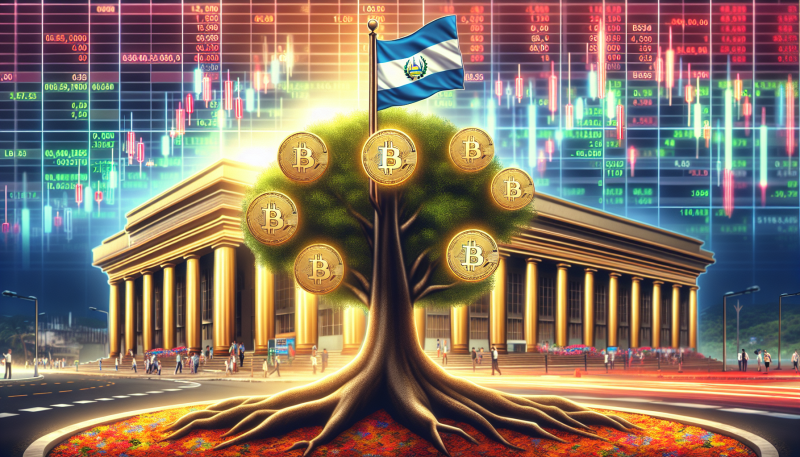
  • El Salvador’s Ongoing Bitcoin Purchases Amid IMF Loan Agreement: Implications for National and Global Economies

    El Salvador’s Ongoing Bitcoin Purchases Amid IMF Loan Agreement: Implications for National and Global Economies

    What happened?

    El Salvador is continuing to purchase Bitcoin even after securing a $1.4 billion loan agreement with the International Monetary Fund (IMF). Despite the IMF’s initial concerns about the risks of Bitcoin adoption, the Salvadoran government remains committed to accumulating the cryptocurrency as part of its strategic projects. Recent reports show that the country acquired 7 bitcoins worth over $650,000 in a single week.

    Who does this affect?

    This decision primarily impacts El Salvador’s economy and its citizens, as it reflects the government’s ongoing commitment to Bitcoin integration despite international agreement terms. It could also influence private sectors in El Salvador, potentially encouraging businesses to adopt cryptocurrency. Beyond El Salvador, this move may affect financial stability discussions among international lenders and other countries interested in adopting similar digital currency strategies.

    Why does this matter?

    The continued purchase of Bitcoin by El Salvador could affect both local and global markets by influencing Bitcoin’s price and volatility. It raises questions about the balance between national monetary policies and international agreements, potentially leading to new dynamics in global finance. This strategy might set a precedent for other nations considering integrating cryptocurrencies into their economies, affecting future market trends and financial stability.

  • Trump Organization to Accept Cryptocurrency for Dubai Luxury Tower Sales

    Trump Organization to Accept Cryptocurrency for Dubai Luxury Tower Sales

    What happened?

    The Trump Organization has announced that it will begin accepting cryptocurrency payments for property sales at its new luxury tower in Dubai. This project, in collaboration with UAE-based Damac Properties, features a hotel, luxury residences, and an exclusive clubhouse. The announcement marks a significant expansion into digital assets and aligns with Dubai’s growing reputation as a crypto hub.

    Who does this affect?

    This decision primarily affects potential buyers of properties in the Trump International Hotel and Tower in Dubai, particularly those who are cryptocurrency holders looking to invest in real estate. It also impacts the broader high-end real estate market in Dubai, attracting international investors from Europe, Asia, and Africa. Additionally, the move is significant for the global crypto community as it reflects increasing acceptance of digital assets in mainstream markets.

    Why does this matter?

    The acceptance of cryptocurrencies for property sales by a major organization like the Trump Organization could influence market trends, encouraging other developers to adopt similar practices. This move may lead to increased cryptocurrency circulation and market stability, benefiting digital asset holders. It also highlights the ongoing integration of traditional markets with digital finance, which could further legitimize crypto assets as a viable payment method in real estate transactions.

  • Trump Media Plans Utility Token and Digital Wallet for Truth+ Streaming Expansion

    Trump Media Plans Utility Token and Digital Wallet for Truth+ Streaming Expansion

    What happened?

    Trump Media & Technology Group, the company behind Truth Social, is considering launching a utility token and digital wallet as part of its Truth+ streaming platform expansion. This plan was revealed in a letter to shareholders by CEO Devin Nunes, highlighting the token’s potential use for subscription payments. The move aligns with the company’s previous ventures into digital assets, such as forming a fintech division for cryptocurrency investments.

    Who does this affect?

    This potential launch primarily affects users of Truth Social and its Truth+ streaming service, who may gain new payment and reward options through the utility token. Investors and shareholders of Trump Media & Technology Group also stand to be impacted, as the introduction of digital assets could influence the company’s stock performance. Additionally, crypto enthusiasts might find the expansion appealing as it adds to Trump’s growing involvement in the digital currency space.

    Why does this matter?

    The introduction of a utility token and digital wallet by Trump Media could have significant market implications by boosting interest and investment in the company. This move could contribute to the broader acceptance and integration of cryptocurrencies in mainstream media and technology sectors. Moreover, as the SEC under crypto-friendly leadership shifts its stance on digital assets, such developments could signal increased regulatory backing for crypto ventures.

  • Bank of Italy Warns of Financial Risks Amid Rising Crypto-Asset Prices Following Trump’s Political Comeback

    Bank of Italy Warns of Financial Risks Amid Rising Crypto-Asset Prices Following Trump’s Political Comeback

    What happened?

    The Bank of Italy released a financial stability report warning about risks tied to the surge in crypto-asset prices after Donald Trump’s return to the White House. They highlighted a sharp rise in valuations, especially for Bitcoin, influenced by US support for digital assets. The report cautioned that if crypto-assets become more integrated with traditional financial systems, they could increase vulnerabilities in global markets.

    Who does this affect?

    This affects investors and entities involved in cryptocurrencies, including ETF issuers, trading platforms, and companies using Bitcoin to innovate business models. It also has implications for financial regulators, especially in the eurozone, given the limited presence of these entities there. Additionally, the concerns extend to governments and financial institutions in areas with significant cryptocurrency exposure, including the US, China, Canada, and the UK.

    Why does this matter?

    The potential integration of volatile crypto-assets with traditional financial systems poses risks of market instability and liquidity crunches, particularly concerning dollar-based stablecoins like Tether and USD Coin. Such developments could impact US bond markets and global financial stability, prompting European authorities to push for stronger regulations under MiCAR to mitigate these threats. As political support accelerates crypto adoption in major economies, there’s heightened urgency for coordinated international regulatory efforts to manage these expanding financial risks.

  • XRP Price Rally Expected Amid Anticipation of Futures ETFs

    XRP Price Rally Expected Amid Anticipation of Futures ETFs

    What happened?

    The price of XRP is expected to rally in the short term, reaching highs from 2025, fueled by excitement about upcoming XRP futures ETFs. The launch of Proshares Trust’s XRP futures ETF has been postponed to May 14, 2025, but this delay hasn’t hampered investor enthusiasm. Recent technical analysis indicates bullish trends, with XRP breaking past a multi-week downtrend and suggesting short-term price targets of $3.40.

    Who does this affect?

    This development affects a broad range of stakeholders in the crypto market, especially investors and traders focusing on XRP. Individuals and institutions with investments in XRP or those considering entry points must pay close attention to these changes. Market participants who previously underestimated the impact of spot Bitcoin ETFs might find parallels here, prompting reconsideration of their positions.

    Why does this matter?

    The anticipated XRP futures ETFs have the potential to significantly impact the market, similar to how Bitcoin ETFs influenced prices in 2024. However, macroeconomic uncertainties, such as trade tensions and economic instability, pose risks that could limit XRP’s potential surge. While optimism is high, these broader market conditions mean a $10 XRP price remains speculative, albeit with long-term bullish prospects due to robust fundamentals and growing global adoption.

  • US Senate Prepares for Historic Vote on GENIUS Act to Regulate Stablecoins

    US Senate Prepares for Historic Vote on GENIUS Act to Regulate Stablecoins

    What happened?

    The US Senate is gearing up for a historic vote on stablecoin legislation known as the GENIUS Act, aimed at regulating stablecoins, which are digital tokens pegged to the dollar. This marks the Senate’s first major move towards creating crypto regulations, as they plan to vote before Memorial Day. The legislation would establish a licensing framework and set limits on who can issue payment stablecoins, providing a structured path for regulated entities.

    Who does this affect?

    The proposed legislation impacts stablecoin issuers, the crypto industry, and US federal agencies tasked with enforcing these regulations. It will affect entities that want to issue stablecoins by requiring them to become licensed and follow specific guidelines. Federal agencies like the Securities and Exchange Commission and the Commodity Futures Trading Commission may gain clearer jurisdictional roles over stablecoins.

    Why does this matter?

    The legislative move is crucial as stablecoins have become pivotal in the crypto economy, but lack clear regulation. A regulatory framework could bring more legitimacy to stablecoins, potentially increasing consumer protection, attracting institutional investors, and reducing reliance on offshore issuers. Passage of the GENIUS Act could also pave the way for further comprehensive crypto legislation, impacting market stability and growth.

  • SEC Closes Investigation into PayPal’s PYUSD Stablecoin, Signaling Shift in Regulatory Oversight

    SEC Closes Investigation into PayPal’s PYUSD Stablecoin, Signaling Shift in Regulatory Oversight

    What happened?

    The US Securities and Exchange Commission (SEC) has ended its investigation into PayPal’s dollar-backed stablecoin, PYUSD, without taking any enforcement actions. This decision was revealed in a filing by PayPal, marking a notable closure of a crypto-related probe under the current US administration. The SEC had initially requested documents related to PYUSD in November 2023 but decided to close the inquiry by February 2025.

    Who does this affect?

    The conclusion of the SEC’s investigation primarily impacts PayPal, allowing it some relief from regulatory scrutiny. It also affects other major crypto companies like Gemini, Coinbase, Ripple Labs, and Uniswap Labs, which have seen a scaling back of investigations against them. This move also indirectly influences institutional partners and retail users interested in stablecoins and digital payments.

    Why does this matter?

    This development signals a broader shift towards lighter regulatory oversight on digital assets, particularly under the current administration. The cessation of the SEC’s probe could boost confidence and stability in the stablecoin market, affecting investor sentiment and potentially the valuation of PYUSD. However, despite this favorable outcome, the overall uncertainty in the regulatory environment still poses potential risks and challenges for the market.

  • Bitcoin’s Resilience: Institutional Demand and El Salvador’s Unique Strategy Amidst Market Dynamics

    Bitcoin’s Resilience: Institutional Demand and El Salvador’s Unique Strategy Amidst Market Dynamics

    “`html

    What happened?

    Bitcoin is currently trading at $94,297 with a 24-hour dip of 0.75%, but overall sentiment remains positive as it’s approaching key support zones. El Salvador has continued buying Bitcoin despite the IMF discouraging further accumulation, showcasing a unique strategy that doesn’t breach global obligations. Meanwhile, prominent figures like Michael Saylor and whale investors are driving demand with significant Bitcoin purchases, indicating strong institutional interest.

    Who does this affect?

    This impacts several groups, including Bitcoin traders and investors who follow market trends, as well as countries like El Salvador looking to adopt Bitcoin as part of their financial strategies. Large institutions and wealthy investors are also affected as they drive and respond to market demand, which could influence their investment choices and portfolio strategies. Additionally, retail investors holding Bitcoin or interested in staking options such as BTC Bull Token would be influenced by these market dynamics.

    Why does this matter?

    The ongoing activity around Bitcoin is crucial as it reflects confidence among large investors and could lead to price increases through reduced supply and increased demand. El Salvador’s approach might inspire other nations to consider Bitcoin more seriously as a sovereign asset, impacting its global acceptance and credibility. The demand from institutions and whales can tighten the Bitcoin market, making it more volatile and pushing the price higher, affecting both short-term trades and long-term investment strategies.

    “`