Category: News

  • Crypto Market Faces Prolonged Consolidation Amid $MOVE Token Decline and Investor Concerns

    Crypto Market Faces Prolonged Consolidation Amid $MOVE Token Decline and Investor Concerns

    What happened?

    The crypto market, particularly blue-chip coins like Bitcoin, might be entering a prolonged consolidation phase. Markus Thielen from 10x Research highlighted on-chain metrics suggesting a continued bear market environment. Movement Network’s $MOVE token has taken a significant hit, dropping over 80% from its peak amid market manipulation allegations.

    Who does this affect?

    This situation impacts cryptocurrency investors, especially those holding $MOVE tokens and other altcoins. It also affects institutions considering involvement with the Movement Network and prospective investors in the upcoming REX-Osprey MOVE ETF. The ongoing market dynamics might influence the decisions of stakeholders involved in cryptocurrency trading and investments.

    Why does this matter?

    The potential for prolonged market consolidation could slow down new investments and innovation in the crypto space. The confidence crisis around $MOVE may cause further volatility and undermine investor trust. Despite the setbacks, institutional interest, such as plans for the MOVE ETF, indicates optimism for the project’s long-term potential and could stabilize the market going forward.

  • WalletConnect Token Surges Over 100% After Initial Airdrop Drop, Impacting Crypto Markets

    WalletConnect Token Surges Over 100% After Initial Airdrop Drop, Impacting Crypto Markets

    What happened?

    The WalletConnect Token (WCT) experienced a significant price surge, increasing over 100% shortly after a big drop post-airdrop. Initially, WCT’s price fell from $0.40 to $0.27 due to selling pressure from early recipients of the airdrop. However, its price rebounded strongly, reaching highs above $0.65 amid upcoming listings on several major exchanges.

    Who does this affect?

    This affects a wide range of stakeholders including early airdrop recipients, new investors, and traders who are actively participating in WCT markets. The increased demand and trading activity also impact exchanges like Binance, OKX, Upbit, and Bithumb that have listed or plan to list WCT. Additionally, the wider crypto market may feel ripple effects as WCT’s activity influences trader sentiment and market dynamics.

    Why does this matter?

    This matters because the dramatic price movements and exchange listings underline the volatility and speculative nature of cryptocurrency markets. The excitement surrounding WCT can drive short-term trading opportunities but also highlights risks associated with market manipulation and insider actions. For the broader market, such events can contribute to increased speculation, influence liquidity, and potentially affect related blockchain ecosystems and tokens.

  • Astar Network, AltLayer, and EigenLayer Launch Fast Finality Layer to Enhance Soneium Blockchain Transactions

    Astar Network, AltLayer, and EigenLayer Launch Fast Finality Layer to Enhance Soneium Blockchain Transactions

    What Happened?

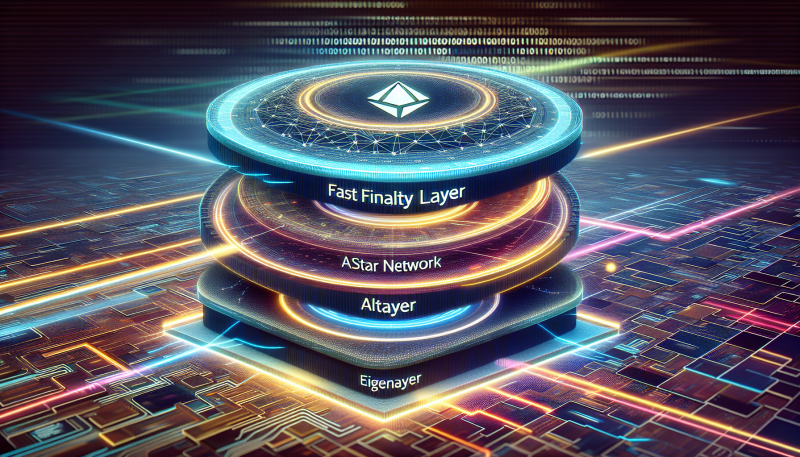
    Astar Network, AltLayer, and EigenLayer have teamed up to improve the Soneium blockchain by creating a Fast Finality Layer. This new layer aims to enhance Soneium’s transaction finality speed using decentralized validation, reducing it from several minutes to under 10 seconds. The collaboration intends to provide secure and rapid cross-chain interactions, which are crucial for Web3 adoption.

    Who Does This Affect?

    This development primarily affects users and developers within the Web3 ecosystem who interact with the Soneium blockchain. It also impacts holders of ASTR and restaked ETH tokens, as they can stake their assets to earn rewards while securing the network. Furthermore, businesses in gaming, DeFi, and social platforms that require quick transaction confirmation may benefit from this enhanced infrastructure.

    Why Does This Matter?

    The impact on the market could be significant as faster transaction finality times make Soneium more competitive in the blockchain space, potentially attracting more users and developers. This move could increase the demand and liquidity for tokens like ASTR and restaked ETH, providing new utility and economic incentives for holders. Additionally, positioning Soneium as a robust layer for latency-sensitive applications may lead to broader adoption, benefiting the overall blockchain industry.

  • Oklahoma’s Attempt to Invest State Funds in Bitcoin Faces Legislative Setback

    Oklahoma’s Attempt to Invest State Funds in Bitcoin Faces Legislative Setback

    “`html

    What happened?

    Oklahoma’s bid to invest state treasury funds into Bitcoin and other digital assets has hit a roadblock. House Bill 1203, which proposed such investments, was narrowly rejected by the Senate Revenue and Taxation Committee with a 6-5 vote. This decision marks Oklahoma’s withdrawal from the competitive Bitcoin Reserve Race that several U.S. states are participating in.

    Who does this affect?

    The rejection of HB1203 primarily affects Oklahoma’s state government and its fiscal policies. It also impacts stakeholders in the cryptocurrency space who were keen on seeing Oklahoma adopt Bitcoin as a strategic reserve. Additionally, it could influence other states considering similar moves by showing the challenges of legislative approval for crypto investments.

    Why does this matter?

    This development holds significant implications for the market as it represents a missed opportunity for increased institutional adoption of Bitcoin at the state level. Such actions can impact market perception and influence prices, as government backing can lend credibility to digital assets. The move also underscores the ongoing debate and division over cryptocurrency integration within traditional financial systems.

    “`

  • Solana Price Drops Despite Positive Developments with OpenSea Support

    Solana Price Drops Despite Positive Developments with OpenSea Support

    What happened?

    Solana’s price dropped by 5% to $125.80 as the cryptocurrency market experienced an overall 4% decline in the last 24 hours. Despite this dip, Solana saw positive news as OpenSea announced support for trading Solana-based tokens. This support is expected to boost the Solana ecosystem, although its price remains down by 2% this month and 7.5% over the year.

    Who does this affect?

    This development affects Solana token holders, NFT creators, and traders on the OpenSea platform who are interested in Solana-based tokens. It also impacts the broader crypto community, including investors monitoring the shifts in the market dynamics. Developers building on the Solana blockchain could benefit from improved visibility and trading activity as a result of increased adoption on OpenSea.

    Why does this matter?

    The inclusion of Solana on OpenSea signifies a broader acceptance and integration of Solana in the NFT market, potentially increasing its demand and liquidity. This move could strengthen Solana’s position in the cryptocurrency market, attracting more investors and developers to its ecosystem. Market analysts might observe shifts in trading patterns and volume as Solana potentially gains momentum from this strategic partnership with a major player like OpenSea.

  • Hackers Target UK Labour MP’s Account to Promote Scam Cryptocurrency, Raising Concerns Over Security and Trust in Crypto Market

    Hackers Target UK Labour MP’s Account to Promote Scam Cryptocurrency, Raising Concerns Over Security and Trust in Crypto Market

    What happened?

    A UK Labour MP, Lucy Powell, had her verified X account hacked to promote a scam Solana token called the “House of Commons Coin” ($HCC). Her account posted about this coin with visuals using the official House of Commons crest, misleading thousands of followers. The account was quickly secured, and the fake token had little financial impact, peaking at a market cap of $24,000.

    Who does this affect?

    This cyber attack primarily affects political figures like Lucy Powell, whose public profiles are targeted for credibility in scams. It also impacts their followers who might be deceived into investing in fraudulent tokens. More broadly, it affects anyone in the crypto space by increasing overall skepticism and diminishing trust in legitimate digital assets.

    Why does this matter?

    This incident highlights an increasing trend where hackers use high-profile social media accounts to give legitimacy to cryptocurrency scams. Such actions can destabilize markets by misleading investors and artificially inflating or deflating token values. This erodes trust in the crypto market and emphasizes the need for stronger security measures and vigilance among users and platforms.

  • Pi Network Surges and Retreats Amid Bitcoin’s Rally and Trade War Tensions

    Pi Network Surges and Retreats Amid Bitcoin’s Rally and Trade War Tensions

    What happened?

    Pi Network experienced a significant surge, rising 43% to $0.78, as a result of Bitcoin’s impressive climb to $85,000. The rise was partly fueled by positive market sentiment due to a temporary pause in tariffs announced by Trump. However, this momentum faced setbacks due to ongoing escalations in the US-China trade war, causing Pi Network to retreat to $0.61.

    Who does this affect?

    This development impacts traders and investors who actively follow and invest in altcoins, particularly those with stakes in the Pi Network. Additionally, retail traders who might be exploring “best crypto to buy” options could be significantly affected by such price swings. Larger cryptocurrency exchanges like Binance, which have yet to list Pi, are also stakeholders impacted by its market volatility and community interest.

    Why does this matter?

    Market wise, this highlights the volatility and speculative nature of cryptocurrencies, especially those like Pi Network that move closely with Bitcoin. The sharp fluctuations reflect sensitivity to broader market trends and geopolitical events, indicating heightened risk for investors. Such movements also influence trading strategies and could drive interest or caution toward investing in altcoins, potentially affecting liquidity and adoption.

  • TRUMP Token Liquidity Removal Sparks Concerns Among Investors and Crypto Community

    TRUMP Token Liquidity Removal Sparks Concerns Among Investors and Crypto Community

    What happened?

    The developers behind the TRUMP token, a meme coin associated with the Trump brand, removed $4.6 million worth of USDC from its liquidity pool. This USDC was moved from the Solana blockchain to Ethereum and subsequently deposited into Coinbase Prime. This activity has sparked concern as it coincides with the impending unlock of a large number of TRUMP tokens valued at over $320 million.

    Who does this affect?

    This situation primarily affects investors in the TRUMP token who may see changes in its value due to these liquidity movements and potential market reactions. Additionally, the controversy could impact the reputation of the Trump brand and those associated with it, especially as claims of malicious intent and previous criticisms are reignited. It also impacts the broader crypto-community, particularly those involved or interested in meme coins and Solana-based projects.

    Why does this matter?

    The removal of $4.6 million from the TRUMP token’s liquidity pool raises concerns about market stability and investor trust, potentially leading to increased volatility in its price. This incident fits into a broader narrative of suspicion surrounding the token’s operations and governance, which may deter future investment and participation. Moreover, the actions could have ripple effects across the crypto markets if they prompt regulatory scrutiny or if they influence other meme coin projects’ liquidity strategies.

  • Philippines SEC Launches Strategic Sandbox Program to Foster Crypto Innovation and Investor Protection

    Philippines SEC Launches Strategic Sandbox Program to Foster Crypto Innovation and Investor Protection

    What happened?

    The Philippines Securities and Exchange Commission (SEC) has launched the Strategic Sandbox (StratBox) program to foster innovation in crypto-asset services. This program is aimed at allowing Crypto-Asset Service Providers (CASPs) to test new products within a controlled environment. The initiative will help regulators understand potential risks, benefits, and challenges tied to crypto operations.

    Who does this affect?

    The StratBox program primarily impacts Crypto-Asset Service Providers, such as crypto exchanges and virtual asset custodians, looking to innovate in the field. It’s also open to other fintech innovators aiming to advance digital finance solutions. Moreover, it affects investors who stand to benefit from enhanced regulatory measures and market integrity.

    Why does this matter?

    This initiative could significantly impact the crypto market by contributing to more robust regulations and investor protections in the Philippines. By creating a safe space for testing new financial products, it encourages innovation while maintaining market stability. This can lead to increased confidence among investors and potentially attract more players to participate in the Philippine crypto market.

  • Aztec Network Launches StealthNote: A New Platform for Anonymized Whistleblowing in the Workplace

    Aztec Network Launches StealthNote: A New Platform for Anonymized Whistleblowing in the Workplace

    What happened?

    The Aztec Network team introduced a new platform called StealthNote, designed for whistleblowing while maintaining employee anonymity. It utilizes zero-knowledge proofs to verify that submissions come from valid company email addresses without sharing personal details. StealthNote has been in development since October 2022 and aims to enhance privacy in the workplace.

    Who does this affect?

    StealthNote is intended for employees who wish to report workplace concerns anonymously, ensuring their identity remains protected. It also impacts companies who may need to address and manage concerns raised through this anonymous platform. Additionally, the broader ecosystem of organizations interested in privacy-focused solutions may find value in adopting similar technologies.

    Why does this matter?

    This development highlights growing interest in privacy tools within the market, particularly in sectors emphasizing user confidentiality and data security. Aztec’s initiative reflects a broader trend towards decentralized privacy solutions, which could influence regulatory landscapes and potentially prompt further innovations in privacy-preserving technologies. As companies adopt such measures, it could shift expectations for data protection standards across industries.