Category: News

  • Meme Coins Defy Market Dip with Notable Gains as Cryptocurrency Investors Look for Opportunities

    Meme Coins Defy Market Dip with Notable Gains as Cryptocurrency Investors Look for Opportunities

    What happened?

    The overall cryptocurrency market saw a dip of 2%, reaching $2.83 trillion, but meme coins defied this trend by climbing 2% to attain a combined market value of $51.8 billion. Among these, PEPE, MIND of Pepe, and Shiba Inu are notable tokens making waves despite the broader market downturn. These coins, with their unique attributes and strong community presence, are poised for potential growth as investor confidence rebuilds.

    Who does this affect?

    This affects cryptocurrency investors, particularly those interested in high-risk, high-reward speculative assets like meme coins. Investors in PEPE, MIND of Pepe, and Shiba Inu should pay attention as these tokens show resilience and potential for recovery amid fluctuating market conditions. Additionally, traders utilizing platforms like X and Telegram to stay updated can benefit from strategic insights into these meme coin trends.

    Why does this matter?

    Meme coins bucking market trends highlight potential opportunities for gains, especially if regulatory developments influence investor confidence positively. The volatility associated with these coins can lead to both risks and rewards, making them attractive to speculative investors looking for quick returns. As meme coins continue to capture market interest, they may impact the overall sentiment and possibly usher in a new wave of investment activity within the crypto sector.

  • Metaverse Fashion Week 2025: Exploring “Infinite Identities” in Decentraland

    Metaverse Fashion Week 2025: Exploring “Infinite Identities” in Decentraland

    What happened?

    Metaverse Fashion Week 2025 is set to kick off on April 9th in Decentraland, featuring over 47 global designers and brands. The event, themed “Infinite Identities,” will take place on the newly updated Decentraland 2.0 platform, which promises improved visuals and interactivity. Attendees can expect a lineup of interactive designer showrooms, panels, and runway shows that blend digital and physical fashion.

    Who does this affect?

    The event affects a range of stakeholders including global fashion designers, brands, and technology enthusiasts who are interested in the intersection of fashion and the metaverse. It also impacts consumers who are keen on exploring new ways of self-expression through digital fashion, as well as tech companies focused on virtual reality and augmented reality applications. Additionally, industry insiders from prestigious institutions like Harper’s BAZAAR Australia and Parsons School of Design will participate and benefit from panel discussions.

    Why does this matter?

    This event highlights the growing influence of the metaverse on the fashion industry, where digital domains offer novel opportunities for creativity and consumer engagement. By hosting Metaverse Fashion Week in an updated virtual space, Decentraland aims to strengthen its position as a leading platform in this burgeoning market, attracting both technological investments and fashion innovations. This convergence of fashion and technology could have significant implications for retail dynamics, influencing how brands approach marketing and customer interaction in both virtual and physical realms.

  • Itaú Unibanco Considers Launching Stablecoin Amidst Regulatory Review in Brazil

    Itaú Unibanco Considers Launching Stablecoin Amidst Regulatory Review in Brazil

    What happened?

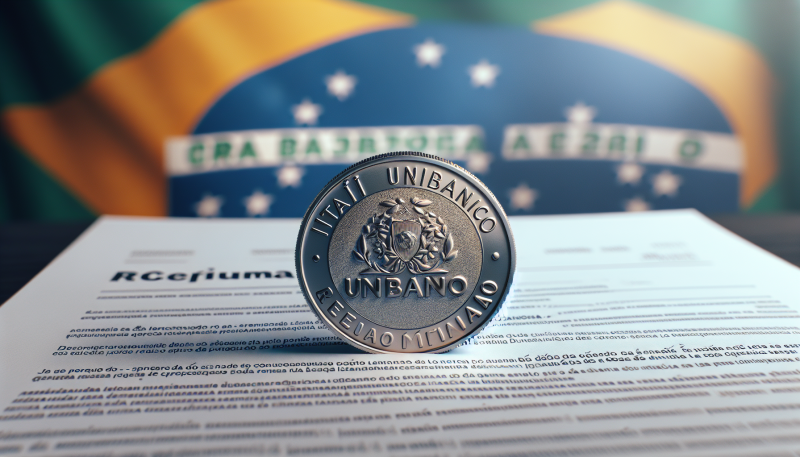
    Brazil’s largest bank, Itaú Unibanco, is exploring launching its own stablecoin. The bank believes that stablecoins can help enable secure transactions with lower fraud risk by using blockchain technology. However, they are proceeding cautiously as Brazil’s central bank reviews regulations that could affect how stablecoins are used.

    Who does this affect?

    This development impacts Itaú Unibanco’s over 55 million customers, who could benefit from more efficient and secure transaction options if the stablecoin is launched. It also affects regulators in Brazil who are working on a framework for cryptocurrencies, along with local and international financial institutions watching Brazil’s regulatory stance on digital currencies. Additionally, individuals and businesses involved in cryptocurrency transactions in Brazil could be affected by new regulations regarding stablecoin transfers.

    Why does this matter?

    The potential launch of a stablecoin by a major bank like Itaú Unibanco signifies growing institutional interest in digital currencies, which could lead to increased stability and acceptance in the cryptocurrency market. This move reflects a broader trend seen globally where banking giants explore blockchain technologies amidst changing regulatory landscapes. Regulatory decisions on stablecoins in Brazil could influence market dynamics not only locally but also set a precedent that might impact financial systems across Latin America and beyond.

  • Solana’s Price Plummets Amid Tariff Announcements and Declining Network Activity

    Solana’s Price Plummets Amid Tariff Announcements and Declining Network Activity

    What happened?

    Solana’s (SOL) price fell by 8% to $115 after former President Donald Trump’s tariff announcement impacted the broader crypto market. It has been one of the weakest performers among the top 10 cryptocurrencies this year, with a significant loss of 39.3%. Additionally, Solana’s network activity has declined, with daily transactions and active addresses dropping sharply.

    Who does this affect?

    This decline in Solana’s value and network activity affects investors and traders holding SOL, as well as businesses and developers relying on its blockchain for transactions. The community of users engaging with decentralized applications and meme coins built on Solana may experience disruptions. Furthermore, the competitive landscape between major blockchain protocols is influenced as Solana struggles to maintain its market standing against rivals like Ethereum.

    Why does this matter?

    Solana’s market struggles highlight ongoing volatility in the cryptocurrency market, potentially affecting investor confidence and market liquidity. If Solana tests and rebounds from its key support zone, it could lead to a recovery, attracting more trading activity and investment interest. However, sustained market pressures or a breakdown below support levels might result in further declines, emphasizing the importance of technical analysis and market sentiment on SOL’s price trajectory.

  • EOS Token Surges 37.5% Amidst Market Decline, Outperforming Major Cryptocurrencies

    EOS Token Surges 37.5% Amidst Market Decline, Outperforming Major Cryptocurrencies

    What happened?

    The EOS token has significantly outperformed other major cryptocurrencies over the last seven days, rising by 37.5%. This surge is notable in contrast to the declines seen in leading tokens like Bitcoin and Ethereum. EOS’s gains come amidst a market downturn caused by new US tariffs announced by the Trump administration.

    Who does this affect?

    The primary beneficiaries of the EOS token surge are current investors and stakeholders in the EOS ecosystem. Potential investors are also affected as they consider whether to capitalize on the upward trend. Additionally, competitors and the broader cryptocurrency market are impacted as EOS’s performance may influence trading strategies and investment decisions.

    Why does this matter?

    EOS’s price increase highlights its potential resilience compared to other cryptocurrencies during bearish market conditions. It signals that investor confidence can be driven by strategic moves such as rebranding and advisory board announcements. With EOS outperforming in a tough market, this could lead to increased interest and investments in EOS and similar tokens.

  • Toncoin’s Turbulent Year: Legal Challenges and Signs of Recovery

    Toncoin’s Turbulent Year: Legal Challenges and Signs of Recovery

    What happened?

    Toncoin, the native token of The Open Network, experienced significant price fluctuations over the last year due to legal and ecosystem-related challenges. Telegram creator Pavel Durov’s legal issues in France, alongside controversies from Hamster Kombat and NotPixel airdrops, put downward pressure on Toncoin’s price. However, recent developments, such as Durov returning to Dubai, sparked a 20% price rally, indicating possible recovery.

    Who does this affect?

    This situation impacts investors and developers involved with Toncoin and the TON blockchain, as well as Telegram users who are part of its ecosystem. Venture capital firms that have invested in Toncoin, such as Sequoia and Ribbit, are also significantly affected as they continue to support development projects. Additionally, cryptocurrency traders and enthusiasts monitoring market trends are paying close attention to Toncoin’s performance.

    Why does this matter?

    The developments around Toncoin have a substantial market impact, potentially influencing investor sentiment and market dynamics for TON. Toncoin’s price movements, driven by both regulatory pressures and positive news, reflect broader trends in cryptocurrency markets. As major venture capital firms commit significant resources to the project, their backing could lead to increased confidence and potential growth in the blockchain sector, affecting the market at large.

  • Resurgence of Enterprise Blockchain: Innovations and Implications for Business Growth

    What happened?

    Enterprise blockchain technology has seen a resurgence in interest recently as companies explore new applications like tokenization, product traceability, and data-sharing. The global enterprise blockchain market is projected to grow significantly, with a compound annual growth rate of 47.5% expected to reach $287.8 billion by 2032. New advancements in hybrid blockchain models are driving this growth by integrating public and private elements to offer improved scalability, security, and interoperability.

    Who does this affect?

    This development primarily impacts financial institutions, asset managers, banks, fintech firms, and enterprises looking to leverage blockchain for efficient cross-border payments and secure asset management. Companies involved in regulatory-sensitive industries will find hybrid blockchain solutions particularly advantageous due to their ability to handle private data with transparency. The rise of tokenization and emerging governance frameworks offers these organizations new tools for trust and accountability while lowering operational costs.

    Why does this matter?

    The adoption of hybrid blockchain models could have significant implications for the market by enabling more industries to capitalize on blockchain’s potential for innovation and efficiency. As enterprises continue to integrate blockchain into core infrastructure, real-time settlement and automated contract solutions could streamline operations and reduce disputes. As blockchain becomes mainstream, businesses that adopt these technologies early stand to gain a competitive edge, providing lower-cost services and enhancing customer trust through transparency and accountability.

  • Justin Sun Accuses First Digital Trust of Misappropriating $500 Million, Sparking Cryptocurrency Market Concerns

    Justin Sun Accuses First Digital Trust of Misappropriating $500 Million, Sparking Cryptocurrency Market Concerns

    “`html

    What happened?

    Tron founder Justin Sun has accused Hong Kong-based firm First Digital Trust (FDT) of misappropriating nearly $500 million in client reserves, alleging severe financial misconduct. Sun has reported the case to Hong Kong authorities and described FDT as “effectively insolvent.” These accusations have emerged amid an ongoing legal dispute between TUSD issuer Techteryx and FDT, adding complexity to the situation.

    Who does this affect?

    This situation impacts investors and clients of First Digital Trust, particularly those holding the FDUSD stablecoin, which experienced a sharp devaluation. It also affects participants in the broader cryptocurrency market, especially those involved with TrueUSD (TUSD). Regulatory authorities in Hong Kong are also implicated as they are called upon to address these serious allegations.

    Why does this matter?

    The market impact of these allegations is significant, as the FDUSD stablecoin saw a drastic drop in value, causing major fluctuations. This incident raises concerns about the stability of stablecoins and the effectiveness of regulatory oversight in the cryptocurrency sector. With Binance holding a significant amount of FDUSD, the potential ripple effect on the crypto ecosystem is considerable, possibly leading to increased regulatory scrutiny and market instability.

    “`

  • Navigating the Crypto Market Sell-Off: Identifying Promising Projects for Future Gains

    Navigating the Crypto Market Sell-Off: Identifying Promising Projects for Future Gains

    What happened?

    The crypto market has been experiencing a month-long sell-off due to fears of recession and renewed trade tensions from Trump’s tariff plans. In this volatile environment, identifying promising crypto projects ahead of the next market surge can be challenging but rewarding. A few potential breakout tokens have been identified, which may offer substantial returns if market sentiment shifts positively.

    Who does this affect?

    This situation impacts cryptocurrency investors and traders who are trying to navigate the turbulent market. Those looking to make strategic investments need to focus on coins with strong growth potential, like Popcat, MIND of Pepe, and Solaxy. These projects attract interest from investors aiming to secure high returns while managing risk during uncertain times.

    Why does this matter?

    The ongoing market sell-off and geopolitical tensions significantly influence the crypto market’s dynamics, affecting prices and investor confidence. Coins like Popcat tied to major platforms like Solana could benefit from institutional support, while innovative solutions like Solaxy offer technological advancements. Successful navigation of these market conditions can lead to substantial financial gains for those who invest in the right projects early.

  • Fidelity Launches Crypto IRA with No Fees for Litecoin, Bitcoin, and Ethereum Investments

    Fidelity Launches Crypto IRA with No Fees for Litecoin, Bitcoin, and Ethereum Investments

    What happened?

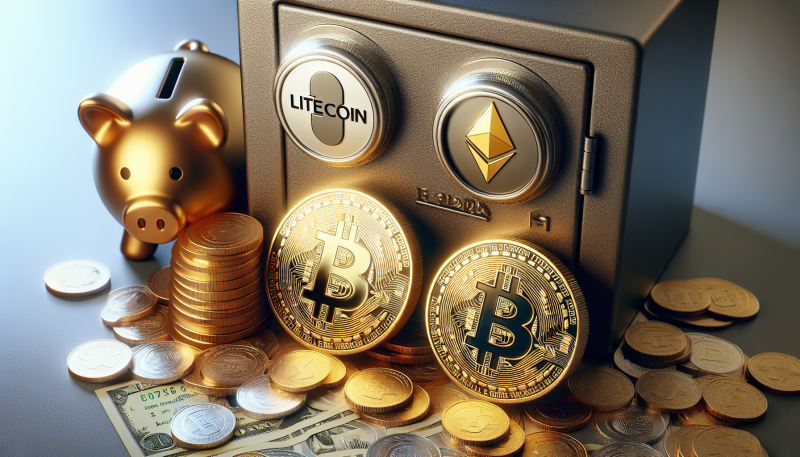
    Fidelity has launched a new crypto IRA that includes Litecoin, Bitcoin, and Ethereum, allowing users to invest in these cryptocurrencies without any fees. This development comes amid growing demand for tax-advantaged crypto investment options. Although the initial market reaction saw Litecoin peak at $88, it has since experienced only modest gains, reflecting a “sell-the-news” sentiment among investors.

    Who does this affect?

    The launch of Fidelity’s crypto IRA primarily affects retail investors looking for tax-advantaged ways to invest in cryptocurrencies. Financial advisors might also be impacted as they consider adding crypto-based products to client portfolios, especially post-election when interest in such investments increases. Fidelity’s offering is particularly significant for Litecoin, which is now part of this accessible investment option, potentially increasing its exposure among investors.

    Why does this matter?

    Fidelity’s crypto IRA could significantly impact the cryptocurrency market by channeling more retail investment into digital assets like Litecoin, Bitcoin, and Ethereum. The introduction of this product might help stabilize retail liquidity, which is currently thin under market uncertainty and broader economic challenges. If successful, this increased demand could buffer issues stemming from bearish sentiments and global economic turmoil, affecting overall crypto market dynamics positively.