Category: News

  • France Tightens Crypto AML Oversight as ACPR Conducts On-Site Inspections Targeting PSANs and MiCA Passport Eligibility

    France Tightens Crypto AML Oversight as ACPR Conducts On-Site Inspections Targeting PSANs and MiCA Passport Eligibility

    What happened?

    France’s banking supervisor, the ACPR, has been carrying out on-site anti-money-laundering checks on dozens of crypto firms, including Binance and Coinhouse, to test their PSAN registration conditions and AML/CTF controls. The inspections began in late 2024 and have already led to instructions for firms like Binance to strengthen their risk controls. Companies that don’t address ACPR findings could face sanctions or lose the chance to get a French MiCA passport, which is needed for EU-wide operation before the June 2026 deadline.

    Who does this affect?

    The checks target registered crypto exchanges and digital-asset service providers operating in France, from large global players to smaller local PSANs. Customers, investors, compliance teams, and business partners of those firms are also affected because any operational restrictions or sanctions ripple outward. EU regulators and companies waiting for MiCA approvals will feel the impact too, since ACPR findings feed into licensing decisions by the AMF.

    Why does this matter?

    Stricter enforcement raises compliance costs and forces firms to upgrade systems, hire staff, or face fines, which can squeeze margins and change business plans. That pressure makes market consolidation more likely and could mean fewer firms win MiCA passporting, concentrating trading and custody services among compliant players. The end result may be higher confidence in regulated exchanges but also short-term volatility as investors rotate toward licensed platforms, while France’s parallel push into tokenized securities shows regulators are trying to balance enforcement with innovation.


  • EtherHiding: Malware Hidden in Smart Contracts Targets Crypto Developers and Wallet Users

    EtherHiding: Malware Hidden in Smart Contracts Targets Crypto Developers and Wallet Users

    What happened?

    A North Korean threat group has started hiding JavaScript malware inside smart contracts on Ethereum and BNB Smart Chain, a technique called “EtherHiding.” They’ve been luring victims with fake job interviews and disguised packages on NPM, then pulling multi-stage payloads from on-chain data. The smart contracts store encrypted payloads that the attackers can update cheaply, making the malware resilient and hard to takedown.

    Who does this affect?

    Developers and job-seeking crypto professionals who take technical interviews or download code are the immediate targets of these campaigns. Crypto users and wallet holders are at risk too, since the malware steals credentials and targets browser extensions like MetaMask and Phantom. Exchanges, projects, and security teams also face increased operational, financial, and reputational exposure from successful intrusions and fund theft.

    Why does this matter?

    This raises the bar for attackers and weakens trust in decentralized platforms and open-source hiring pipelines, making users and companies more wary. Investors could pull funds from affected chains and projects, creating short-term price pressure on tokens like ETH and BNB while pushing up insurance, compliance, and security costs. Over time, expect more regulatory scrutiny, higher security spending, and slower developer onboarding, all of which raise friction and costs across the crypto market.

  • Crypto Market Dives Into Extreme Fear as Bitcoin Slumps, Gold Rises and ETF Outflows Signal Liquidity Strains

    Crypto Market Dives Into Extreme Fear as Bitcoin Slumps, Gold Rises and ETF Outflows Signal Liquidity Strains

    What happened?

    The crypto market plunged into Extreme Fear as the Fear & Greed Index tumbled from Greed to 22 in a week, with CoinMarketCap showing a similar collapse. Bitcoin stalled around $110,000 amid renewed US–China trade tensions while gold jumped to record highs above $4,230 as investors sought safety. Heavy selling showed up on-chain and in markets: long-term holders offloaded about 265,700 BTC, US spot Bitcoin ETFs saw outflows, and derivatives liquidations topped $418 million.

    Who does this affect?

    This hits leveraged traders hardest — many were caught in long positions as liquidations spiked and longs still outnumbered shorts by over 2.4 to 1. ETF investors and passive holders face redemptions and withdrawals, and market makers and liquidity providers may see thinner markets and wider spreads. Broader risk-on investors and those in correlated assets also feel it, since the rotation into gold and out of crypto shifts capital flows across markets.

    Why does this matter?

    Sentiment flipping to Extreme Fear and large outflows increase downside pressure and volatility, raising the chance of further price drops or sharp moves that can trigger more liquidations. The flight to safety into gold and persistent ETF redemptions show capital rotation that can dampen crypto demand and tighten liquidity, making price discovery more erratic. That mix means traders and investors should expect choppier markets and higher trading risk, and the next decisive move could determine whether the bull cycle continues or stalls.

  • Newsmax to Buy Up to $5 Million in Bitcoin and Trump Coin, Sparking Market Volatility and Investor Attention

    Newsmax to Buy Up to $5 Million in Bitcoin and Trump Coin, Sparking Market Volatility and Investor Attention

    What happened?

    Newsmax’s board approved a plan to buy up to $5 million in Bitcoin and Trump Coin over the next year. CEO Christopher Ruddy called Bitcoin “the gold standard” and said the company is looking to add official Trump Coin, which has a circulating value above $1.2 billion. The company says it will make a first crypto purchase soon but hasn’t explained how it will fund the buys.

    Who does this affect?

    Newsmax shareholders are directly affected — the stock slid nearly 4% after the announcement. Crypto investors and traders saw quick price moves, with Bitcoin down roughly 5% and Trump Coin falling about 6.6%. Other public companies, institutional investors and market watchers may also be paying attention as this could set a precedent for corporate crypto reserves.

    Why does this matter?

    Even though $5 million is small compared with overall crypto market size, the move is symbolic and could encourage other NYSE-listed firms to consider holding digital assets, which would change demand dynamics. The announcement already increased volatility in both Newsmax shares and crypto prices, showing how corporate decisions can spill into markets. For traders and portfolio managers, that means more headline-driven swings and a tighter link between corporate actions and crypto market sentiment.

  • DeFi Development Expands SOL Treasury to 2,195,926 SOL with 86,307 SOL Purchase as SOL Per-Share Drops 25% on Dilution

    DeFi Development Expands SOL Treasury to 2,195,926 SOL with 86,307 SOL Purchase as SOL Per-Share Drops 25% on Dilution

    What happened? DeFi Development bought 86,307 SOL for about $16 million, raising its treasury to 2,195,926 SOL while its SOL-per-share metric fell roughly 25%.

    DeFi Development acquired 86,307 SOL at an average price near $110.91, increasing its Solana holdings by about 4.7%. Despite the accumulation, the company’s SOL-per-share dropped from $19.44 to $14.67 because outstanding shares and warrants increased the share count. The newly purchased SOL will be staked, including on the company’s own validators, to generate native yield.

    Who does this affect? Shareholders of DeFi Development, institutional Solana holders, and other crypto treasury companies watching valuations and buyback strategies.

    Investors in DeFi Development face dilution pressure since the reported share count includes exercised and unexercised warrants that push adjusted shares to roughly 31.9 million. Large Solana holders and validator operators are affected because DeFi Development is one of the biggest public SOL treasuries and its staking decisions impact on-chain supply dynamics. Other treasury firms and their investors are watching closely because this case highlights the tension between accumulating crypto, funding buybacks, and managing dilution.

    Why does this matter? It underscores growing market pressure on crypto treasury firms and could compress valuations and increase volatility across the sector.

    The fall in SOL-per-share despite more SOL on the balance sheet shows how share issuance and warrants can erode per-share value, pressuring stock prices even when treasuries grow. With mNAV premiums shrinking sector-wide and some firms trading below NAV, investor appetite for treasury equities may weaken, slowing corporate crypto buys and reducing liquidity. That dynamic can lead to more debt-funded buybacks, tighter financing conditions, and greater volatility for both the equities of treasury firms and the underlying crypto assets they hold.

  • Bitfarms upsizes convertible note offering to $500 million amid rising investor demand for Bitcoin miners

    Bitfarms upsizes convertible note offering to $500 million amid rising investor demand for Bitcoin miners

    What happened?

    Bitfarms expanded its planned convertible note sale to $500 million from $300 million because of strong investor demand. The company will issue 1.375% convertible senior notes due in 2031 with an initial conversion price around $6.86, roughly a 30% premium to its recent share price. Proceeds are earmarked for general corporate purposes and capped call transactions designed to limit share dilution.

    Who does this affect?

    Existing Bitfarms shareholders could see their stakes diluted if the notes convert, although the capped calls are meant to reduce that risk. Investors buying the notes get a low-yield, equity-linked exposure to Bitfarms and the broader Bitcoin mining sector. Other crypto miners, equity analysts and institutional funders are watching closely because the successful upsized deal signals where funding appetite and valuations may be heading.

    Why does this matter?

    The upsized offering signals renewed investor appetite for Bitcoin miners and can lift sentiment and valuations across the sector. In the short term the announcement pressured Bitfarms’ stock and adds volatility risk, especially given the company’s recent accounting restatement and legal questions. Over the medium term fresh capital and capped calls should help stabilize Bitfarms’ balance sheet and could influence how investors and competitors approach fundraising and valuation in the mining market.

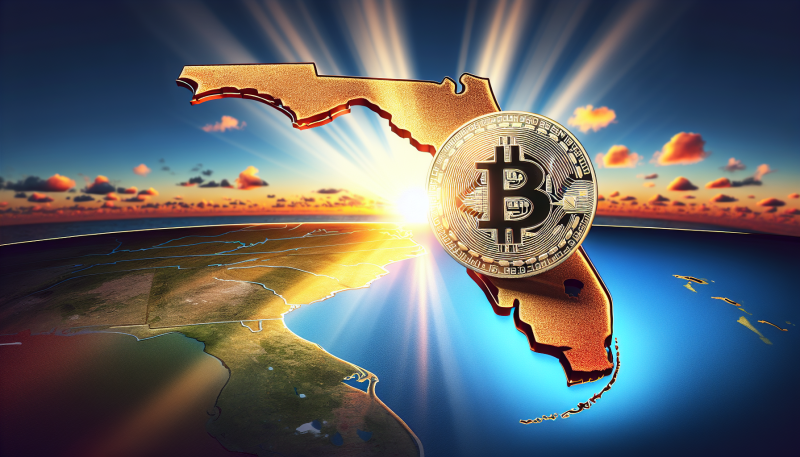
  • Florida considers allowing state funds and pensions to invest in Bitcoin under HB 183

    Florida considers allowing state funds and pensions to invest in Bitcoin under HB 183

    What happened?

    Florida lawmakers introduced House Bill 183 in the 2026 legislative session to let the state invest in Bitcoin. The bill would allow the state chief financial officer to allocate up to 10% of specified public funds, including the General Revenue Fund and the Budget Stabilization Fund, into Bitcoin and ETFs, and would apply similar rules to the state retirement system with some limits. The proposal also includes strict custody and compliance safeguards and would permit certain taxes and fees to be paid in digital assets that are then converted to dollars.

    Who does this affect?

    This would affect Florida taxpayers and public employees whose pensions could see Bitcoin allocations as part of state-managed funds. It would also involve the state CFO’s office, qualified custodians, and crypto service providers responsible for custody, compliance, and conversions. In addition, businesses and investors in Florida could be impacted if the state begins accepting crypto payments and integrating digital assets into its financial operations.

    Why does this matter?

    If the bill passes, it could signal wider institutional acceptance of Bitcoin by a major U.S. state, potentially boosting demand and market sentiment in the crypto space. Allowing public funds and pensions to hold Bitcoin may increase volatility and liquidity needs for those portfolios and could prompt other states to propose similar measures. The move would also push custodial, regulatory, and compliance infrastructure to scale up, lowering barriers for institutional entry and affecting prices and capital flows in crypto markets.

  • Bitcoin Dips Below $109,000 as Risk-Off Moves Markets and Capital Flows Toward Utility Tokens

    Bitcoin Dips Below $109,000 as Risk-Off Moves Markets and Capital Flows Toward Utility Tokens

    What happened?

    Bitcoin slid below $109,000 as a fresh wave of risk aversion hit global markets, sending equities down while bonds and gold rallied to new highs. The move followed a sharp selloff and more than $19 billion in liquidations that wiped out recent gains and pushed crypto momentum lower. Altcoins mostly fell with ether and XRP slipping, though Solana showed relative strength amid a capital rotation toward utility tokens.

    Who does this affect?

    Crypto traders and short-term speculators felt the pain from forced liquidations and rising volatility, while institutional holders now face tighter ties between Bitcoin and traditional markets. DeFi projects and utility-token investors may benefit from the shift in capital toward blockchain apps with real use cases, even as retail holders see portfolios wobble. Broader financial markets are also on edge, with regional bank credit concerns and US–China trade tensions adding downside risk for risk assets.

    Why does this matter?

    This matters because higher volatility and closer correlation between crypto and traditional markets mean macro news and bank stress can quickly move digital-asset prices, limiting their diversification benefit. Safe-haven flows into gold and into utility-driven tokens could reshape where capital goes next, and potential ETF approvals remain a key catalyst that could bring renewed institutional inflows. Overall, traders should expect choppier markets, possible further downside until macro signals stabilize, and selective upside for tokens with real-world use cases.

  • Ethereum Leads 2025 Developer Growth as EVM Ecosystems Attract Talent

    Ethereum Leads 2025 Developer Growth as EVM Ecosystems Attract Talent

    What happened?

    Ethereum pulled in the most new developers in 2025, adding over 16,000 between January and September and now claiming the largest active developer base when you include layer-2s. Solana followed with roughly 11,500 new developers and Bitcoin about 7,500, though some datasets may undercount Solana and include short-lived hackathon or AI-generated repos. Overall, the trend shows developers gravitating toward established, EVM-friendly ecosystems and layer-2 solutions rather than building new base-layer blockchains.

    Who does this affect?

    Developers and teams deciding where to build will feel the biggest impact, as more talent and shared tooling concentrate on Ethereum, Polygon and other EVM-compatible chains. Projects and startups in regions like Latin America—where builders are favoring mature chains—stand to benefit from better tooling, clearer regulations, and larger user bases. Investors, infrastructure providers, and layer-2 operators also get affected because developer activity drives app launches, integrations, and demand for services.

    Why does this matter?

    More developers generally means more apps, users, and on-chain activity, which can boost network effects and increase demand for related tokens and services, potentially lifting valuations and liquidity for dominant ecosystems. If Solana or other chains are undercounted, market narratives and investment flows could be misaligned, so accurate data matters for capital allocation and product decisions. Ultimately, concentration of developer talent in established stacks makes those ecosystems more resilient, faster to innovate, and more attractive to mainstream users and institutions, shaping where capital and adoption flow next.

  • Crypto Market Slips for Third Straight Day as DePIN Dives and Bitcoin and Ethereum Fall

    Crypto Market Slips for Third Straight Day as DePIN Dives and Bitcoin and Ethereum Fall

    What happened?

    The crypto market slid for a third straight day, with the DePIN sector plunging more than 7% and major tokens like Render and Filecoin falling over 7%. Bitcoin dropped about 2.19% to below $109,000 and Ethereum dipped under $4,000, while other sectors like DeFi, CeFi, and Layer1 fell roughly 3–4%. Broad sector indices such as ssiDePIN, ssiAI, and ssiGameFi all declined, though a few pockets like Zora in Layer2 bucked the trend with an 18% gain.

    Who does this affect?

    This hits crypto investors and traders, especially anyone holding DePIN tokens or exposed to Layer1 and DeFi positions. Projects and developers in the decentralized physical infrastructure space may face reduced token liquidity and valuation pressure, which can make fundraising and partnerships harder. Institutions and retail participants watching market signals could see increased volatility and potential margin calls as prices move lower.

    Why does this matter?

    A continued sell-off can erode market confidence and push investors into a risk-off stance, dragging down correlated crypto assets. Falling token prices reduce TVL and can slow investment and adoption in emerging sectors like DePIN and AI tokens, delaying infrastructure and product development. If key assets like Bitcoin and Ethereum remain below psychological levels, it can shift capital flows, affect derivatives positioning, and change the timing of big trades or institutional rebalancing.