Category: News

  • XRP Price Dips Amid Market Downturn, but Long-Term Gains and Ripple’s Potential IPO Signal Hope for Investors

    XRP Price Dips Amid Market Downturn, but Long-Term Gains and Ripple’s Potential IPO Signal Hope for Investors

    What happened?

    XRP’s price has dipped by 1.5% in the past 24 hours, aligning with a general downturn in the crypto market. Despite this short-term loss, XRP has shown substantial gains over the longer term, including a 7% rise in the past week and a 285% increase over the past year. The SEC recently dropped its appeal against Ripple, leaving the company well-positioned for potential growth, possibly even considering a public IPO.

    Who does this affect?

    This situation affects XRP investors, stakeholders in Ripple, and the broader cryptocurrency market. Ripple’s potential IPO might influence existing shareholders and attract new ones while impacting the stability and value of XRP. Additionally, the overall crypto market could see shifts due to these developments, potentially affecting other cryptocurrencies as well.

    Why does this matter?

    The potential Ripple IPO could significantly impact the market by providing XRP with a boost, possibly leading to higher long-term price predictions. Such events could spark increased interest and investment in XRP, influencing its market position and overall crypto market dynamics. Moreover, an improvement in Ripple’s business, especially following positive legal outcomes, could enhance investor confidence, potentially leading to broader growth in the crypto sector.


  • Berachain’s Rapid Rise: A New Contender in the Blockchain Arena

    Berachain’s Rapid Rise: A New Contender in the Blockchain Arena

    What happened?

    Berachain, a new blockchain, has gained significant momentum, with its BERA token surging by 12% overnight to $8.20, despite a general market downturn. This rapid growth outpaces notable cryptocurrencies like Bitcoin and Ethereum, which are far from their future price targets. Berachain’s surge has sparked interest as it potentially challenges Solana’s dominance in the smart contract space.

    Who does this affect?

    The rise of Berachain affects investors and stakeholders in the cryptocurrency market, particularly those focused on Layer 1 blockchains like Solana and Ethereum. Crypto traders and DeFi enthusiasts might find new opportunities and risks due to Berachain’s emergence. Additionally, developers and businesses building on blockchain platforms could be influenced by the increased competition and innovation Berachain brings.

    Why does this matter?

    Berachain’s strong market performance signifies potential shifts in the crypto landscape, challenging established players like Solana and Ethereum. The innovative Proof-of-Liquidity consensus model could attract more liquidity and development, influencing the future of decentralized finance (DeFi) and smart contract applications. As Berachain gains traction, it may impact market dynamics, investment strategies, and the competitive landscape in the blockchain sector.

  • Kraken Acquires NinjaTrader for $1.5 Billion to Bridge Crypto and Traditional Finance

    Kraken Acquires NinjaTrader for $1.5 Billion to Bridge Crypto and Traditional Finance

    What Happened?

    Kraken announced a major acquisition deal to buy NinjaTrader, marking a significant milestone in bridging the gap between traditional finance and the crypto sector. This $1.5 billion deal allows Kraken to integrate NinjaTrader’s futures trading capabilities into its platform. By doing so, Kraken aims to expand beyond its crypto roots into US futures markets and eventually offer a unified trading platform for multiple asset classes.

    Who Does This Affect?

    This acquisition primarily affects traders using Kraken and NinjaTrader, particularly those who are interested in accessing both digital assets and traditional futures under one roof. US-based traders gain new opportunities as NinjaTrader, with its CFTC license, enables Kraken to offer regulated futures trading in the US. Moreover, professional traders will benefit from advanced analytics and integrated trading tools that cater to high-performance needs.

    Why Does This Matter?

    The acquisition has significant market implications as it positions Kraken to become a major player in the global multi-asset trading space. By combining Kraken’s crypto platform with NinjaTrader’s futures expertise, the deal could lead to increased liquidity and trading volume across different asset classes. Additionally, it may set a precedent for further consolidations between crypto platforms and traditional financial services, potentially reshaping how traders engage with diverse financial markets.

  • Meme Coin Market Surges: Pepe Leads with 14.9% Weekly Gains

    Meme Coin Market Surges: Pepe Leads with 14.9% Weekly Gains

    What happened?

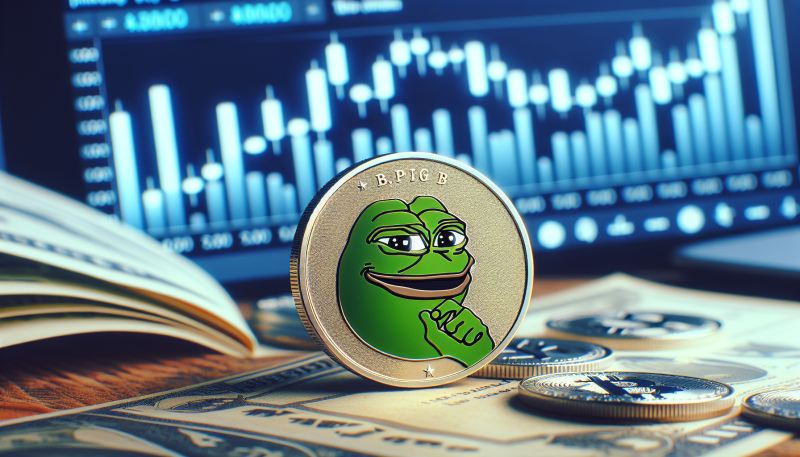
    The market for meme coins has recently surged, with an increase of 3.2% in the last 24 hours. Pepe (PEPE) is at the forefront of this rally, boasting weekly gains of 14.9%. The overall market cap for the top 100 meme coins now stands at $53.8 billion, reflecting a positive shift after a previous decline in market sentiment.

    Who does this affect?

    This rally directly affects investors and traders who hold meme coins like Pepe (PEPE) and Dogecoin (DOGE). It also impacts new investors looking to enter the cryptocurrency market, particularly those interested in meme-based tokens. Moreover, this development influences crypto analysts and enthusiasts following market trends and price predictions.

    Why does this matter?

    The rise in meme coin values indicates a renewed interest and potential profitability in this segment of the cryptocurrency market. As trading volumes and open interest in futures increase, it suggests bullish momentum that could attract more investors and drive further growth. This positive trend may enhance market confidence, potentially affecting broader cryptocurrency investment strategies.

  • Bitcoin’s Energy Consumption Sparks Debate on Sustainability and Industry Impact

    Bitcoin’s Energy Consumption Sparks Debate on Sustainability and Industry Impact

    What happened?

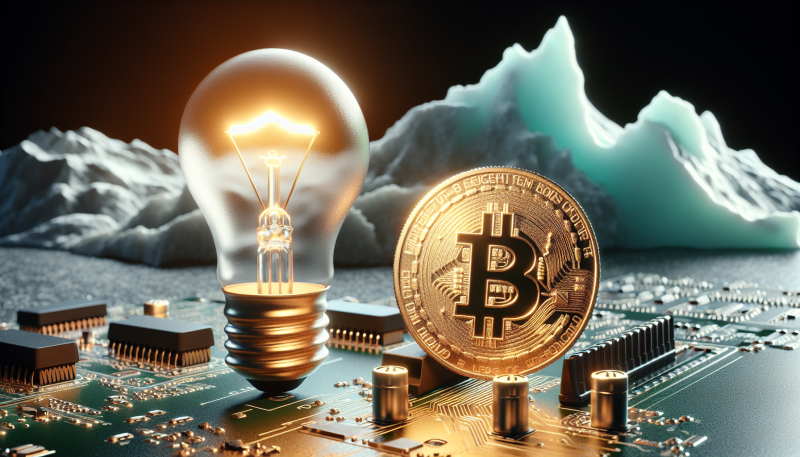
    A new report by Utilities Now claims that Bitcoin consumes more energy than over 80 countries combined, totaling 91,510 GWh annually. Critics argue that the report is flawed, lacks context, and ignores similar energy-intensive industries like traditional finance. They emphasize that a significant portion of Bitcoin’s energy use now comes from renewable resources, making it one of the most sustainably powered industries today.

    Who does this affect?

    This report primarily impacts stakeholders in the cryptocurrency space, including miners, investors, and environmental advocates. It also affects policymakers and regulators who are tasked with balancing technological advancement with environmental concerns. The general public, particularly those concerned about environmental sustainability, might also be influenced by these findings and the subsequent debate around renewable energy use in crypto mining.

    Why does this matter?

    The market impact of this report could have significant implications for Bitcoin’s reputation and its acceptance as a sustainable financial system. If believed, the report might discourage investment due to environmental concerns, potentially leading to increased regulatory scrutiny. However, highlighting Bitcoin’s renewable energy usage might reassure investors about its long-term viability and align it with global sustainability trends.

  • Standard Chartered Introduces Bitcoin to Tech Index, Replacing Tesla and Boosting Returns

    Standard Chartered Introduces Bitcoin to Tech Index, Replacing Tesla and Boosting Returns

    What happened?

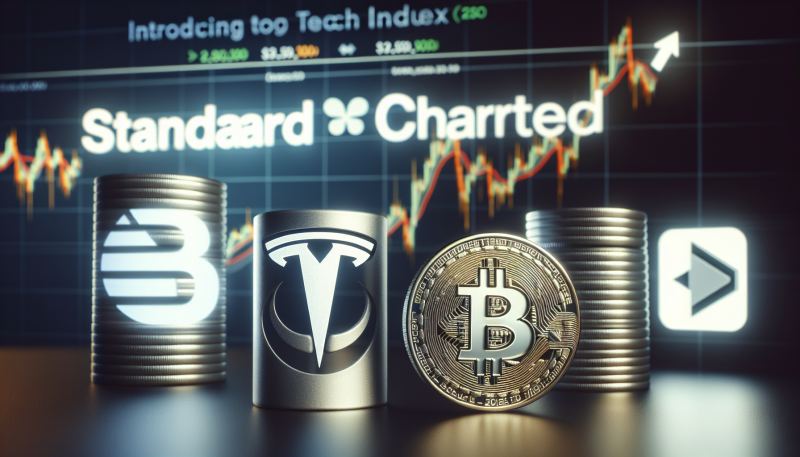
    Standard Chartered has revamped its “Magnificent 7” tech index by swapping Tesla for Bitcoin, creating a new model called the “Mag 7B.” This change has resulted in the index delivering 5% higher returns and almost 2% lower volatility since December 2017. Bitcoin’s market cap has surged to over $1.7 trillion, more than twice the size of Tesla’s $800 billion market cap.

    Who does this affect?

    This move primarily impacts investors tracking tech indexes and those involved with cryptocurrency investments. Institutional investors like MicroStrategy and Metaplanet are significantly affected as they continue to accumulate Bitcoin, enhancing their holdings. The broader financial market, including traditional tech stock investors, might see shifts as Bitcoin’s role evolves from just a hedge to a mainstream tech asset.

    Why does this matter?

    Bitcoin’s inclusion in the Mag 7B index signifies its growing acceptance and correlation with tech stocks, potentially altering market dynamics. The move may encourage other institutions to reevaluate Bitcoin’s position in their investment strategies, influencing market trends. As Bitcoin gains traction, it could lead to increased volatility and opportunities in both crypto and tech sectors, impacting overall market behavior and investment strategies.

  • Trump Family’s Stablecoin Launch Sparks Scams and Security Concerns in Crypto Market

    Trump Family’s Stablecoin Launch Sparks Scams and Security Concerns in Crypto Market

    What happened?

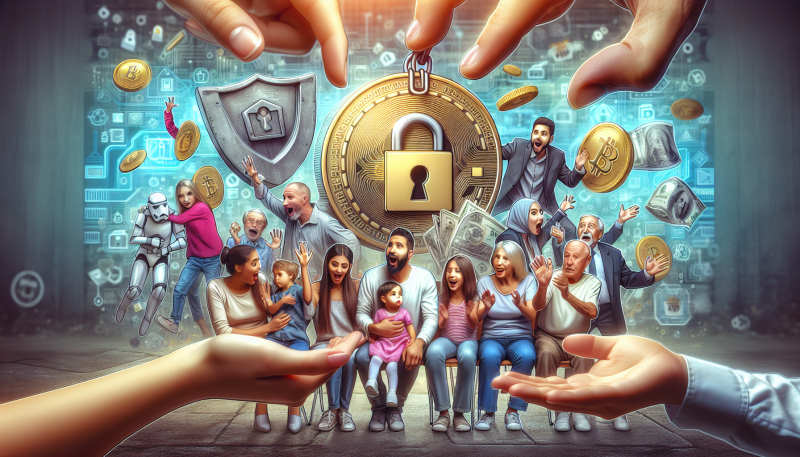
    The Trump family’s World Liberty Financial (WLFI) launched a stablecoin called USD1 on the Ethereum and BNB Chain networks, creating a buzz in the crypto market. However, this launch also attracted scammers who released counterfeit versions of USD1, raising concerns about crypto wallet security. Best Wallet ($BEST), with its advanced security features, is positioning itself as a solution to protect users against such scams and maximize crypto investments.

    Who does this affect?

    This situation impacts crypto investors and traders, particularly those interested in stablecoins and decentralized finance (DeFi), who are at risk of falling victim to scams. It also affects users who need a secure wallet to manage their assets safely and effectively. Institutions and fintech companies looking to enter the stablecoin market are also affected, as they need to ensure compliance and avoid vulnerabilities that scammers might exploit.

    Why does this matter?

    The launch of WLFI’s USD1 token and the associated scams highlight the ongoing risks in the crypto market, emphasizing the need for robust security measures in digital wallets. This situation affects the overall market sentiment, as it can influence trust and investor confidence in stablecoins and DeFi platforms. Additionally, it underscores the importance of regulatory clarity and technical innovation to safeguard against fraud while encouraging market growth.

  • Arbitrum DAO Considers Revoking Funds from Gaming Catalyst Program Amid Concerns Over Progress and Transparency

    Arbitrum DAO Considers Revoking Funds from Gaming Catalyst Program Amid Concerns Over Progress and Transparency

    What happened?

    The Arbitrum DAO is debating whether to take back funds from the Arbitrum Gaming Catalyst Program due to concerns about inadequate progress and transparency. A proposal was introduced to recover unused funds, highlighting the need to restore confidence in the DAO’s fund management. The program initially aimed to establish Arbitrum as a leader in Web3 gaming but faced criticisms for not meeting its goals.

    Who does this affect?

    This affects the members of the Arbitrum DAO, developers and game studios that were planning to build on the Arbitrum network, and stakeholders invested in the success of the GCP. If funds are revoked, projects relying on financial support from the initiative could be at risk. Additionally, it impacts the broader community following the development of the Web3 gaming ecosystem.

    Why does this matter?

    The decision to revoke funds could have significant market impacts by shaking confidence in similar initiatives and DAOs involved in funding blockchain projects. With the ARB token’s value already declining due to market downturns, further instability could deter future investments in Web3 gaming initiatives. This debate underscores the challenges in capital allocation in rapidly evolving blockchain sectors.

  • Elon Musk Proposes Blockchain Tracking for U.S. Treasury Spending to Enhance Government Transparency

    Elon Musk Proposes Blockchain Tracking for U.S. Treasury Spending to Enhance Government Transparency

    What happened?

    Elon Musk has sparked a major discussion about transparency in the U.S. government by suggesting that U.S. Treasury spending be tracked on the blockchain. His proposal aims for real-time tracking of government financial transactions on a public digital ledger to enhance transparency and combat fraud. This idea, however, faces significant challenges due to the complexity and scale of implementing blockchain technology for U.S. government operations.

    Who does this affect?

    This proposal impacts several groups, including government officials, policymakers, and the wider financial community. It also affects blockchain technology developers who would need to build the necessary infrastructure and security measures. Furthermore, taxpayers and citizens could experience changes in how governmental transparency is perceived and executed.

    Why does this matter?

    Implementing blockchain for U.S. Treasury spending could pave the way for the growth of tokenization markets by providing a regulatory framework and enhancing trust in on-chain finance. With the potential regulation of stablecoins on the horizon, Musk’s proposal comes at a pivotal time that could accelerate the adoption of blockchain in public finance. If successful, it could set an example for other nations, fostering international adoption of blockchain technology in government operations, potentially impacting global markets significantly.

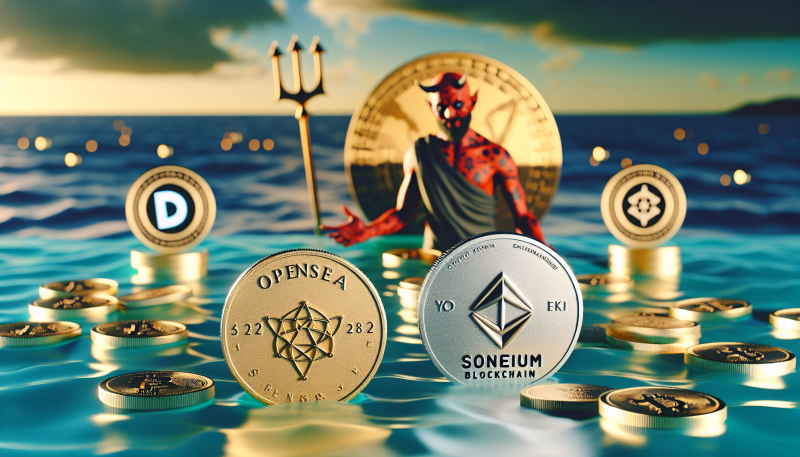
  • YOAKE Partners with OpenSea to Launch ‘The Seven Deadly Sins’ NFT Collection on Soneium Blockchain

    YOAKE Partners with OpenSea to Launch ‘The Seven Deadly Sins’ NFT Collection on Soneium Blockchain

    “`html

    What happened?

    Fan engagement protocol YOAKE has partnered with NFT marketplace OpenSea to bring the anime ‘The Seven Deadly Sins’ to Sony’s Layer-2 blockchain Soneium. They launched an NFT collection featuring a famous scene from ‘The Seven Deadly Sins: Cursed by Light’. The collection, titled ‘YOAKE & The Seven Deadly Sins Anime Series’, is available to mint for 72 hours at 0.002 ETH each, with over 4,000 NFTs already minted.

    Who does this affect?

    This development affects fans of ‘The Seven Deadly Sins’ anime series, NFT collectors, and individuals interested in blockchain technology. Anime enthusiasts can now own officially licensed digital collectibles from their favorite series. Additionally, it opens up new opportunities for collectors and investors in the NFT space.

    Why does this matter?

    This partnership signifies a significant step in integrating traditional entertainment properties into the digital and blockchain realm. It introduces ‘The Seven Deadly Sins’ fandom to Web3, potentially increasing market demand for anime-related NFTs and boosting adoption of blockchain technologies. Such collaborations between established franchises and blockchain platforms can drive innovation and expand the NFT market.

    “`