Category: News

  • Binance Takes Action Against Market Maker for Misconduct Involving MOVE Token

    Binance Takes Action Against Market Maker for Misconduct Involving MOVE Token

    What happened?

    Binance has cut ties and taken action against a market maker involved with the Movement (MOVE) token due to misconduct. This market maker was linked to another entity previously removed by Binance for similar malpractice. Binance identified that this market maker sold 66 million MOVE tokens right after their listing, profiting $38 million USDT, leading to their permanent ban.

    Who does this affect?

    The affected parties include the Movement Network Foundation and its investors, who had no prior knowledge of the misconduct until informed by Binance. The foundation is now working on implementing a $38 million buyback using funds recovered from the implicated market maker. Investors and stakeholders in the MOVE token have also been impacted as the token’s value experienced volatility due to these events.

    Why does this matter?

    This situation underscores concerns about market integrity in the crypto space, reinforcing the need for transparency and accountability. The event also illustrated Binance’s commitment to maintaining market standards, although it comes amid broader scrutiny of Binance’s operations. Despite the controversy, substantial institutional investment backing, exemplified by a $2 billion investment from MGX, suggests continued confidence in Binance and the wider blockchain market.
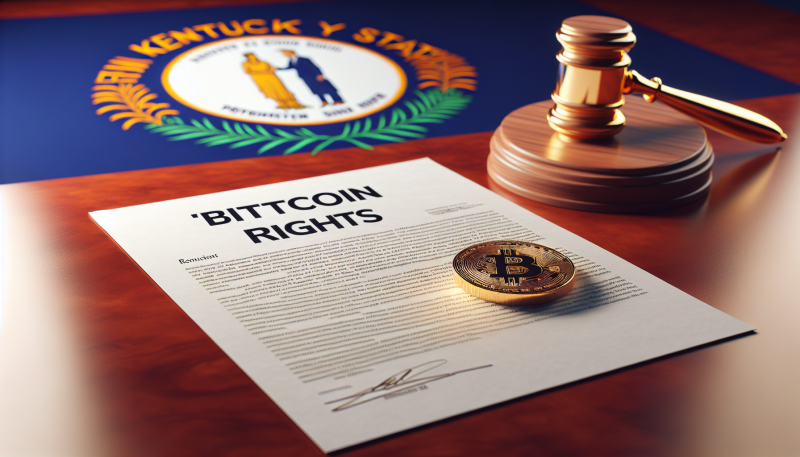

  • Kentucky Enacts “Bitcoin Rights” Bill to Protect Digital Asset Users

    Kentucky Enacts “Bitcoin Rights” Bill to Protect Digital Asset Users

    What happened?

    Kentucky Governor Andy Beshear signed House Bill 701, also known as the “Bitcoin Rights” bill, into law. This legislation offers key protections for digital asset users, such as rights to self-custody, operating blockchain nodes, and transacting without discrimination. The bill also prevents discriminatory zoning laws against crypto mining operations and exempts these operations from certain licensing requirements.

    Who does this affect?

    The primary beneficiaries of this new law are individuals and businesses involved in digital asset activities in Kentucky. This includes people who use digital wallets, crypto miners, and those participating in staking and node operations. The bill’s provisions ensure these groups can operate without fear of legal complications or discrimination.

    Why does this matter?

    This legislation signifies a broader trend towards increased regulatory acceptance and protection of digital assets in the United States. By providing a legal framework to protect crypto users and operations, Kentucky is encouraging investment and innovation in the digital currency space. This move might influence other states to adopt similar regulations, potentially shaping the future market landscape for cryptocurrencies.

  • Trump’s Mention of Meme Coin Triggers Price Surge and Increased Trading Volume

    Trump’s Mention of Meme Coin Triggers Price Surge and Increased Trading Volume

    What happened?

    Donald Trump mentioned the Official Trump ($TRUMP) meme coin on Truth Social, causing its price to surge and reach $52.5 million in trading volume on decentralized exchanges, momentarily making it the top meme coin in DEX volumes. Despite this spike, $TRUMP’s value remains 85% lower than its all-time high of $73.43 from earlier this year. Another Trump-themed token, Downald Trump (DOWNALD), also saw a significant increase in trading volume following the hype.

    Who does this affect?

    This situation primarily affects cryptocurrency traders and investors involved with meme coins, particularly those holding or trading $TRUMP and other Trump-related tokens. The sudden price movements may be beneficial for some traders but risky for others due to the volatile nature of these assets. Additionally, potential new investors or speculators drawn in by the hype or Trump’s influence might also experience gains or losses depending on market conditions.

    Why does this matter?

    The resurgence of trading interest in the $TRUMP meme coin highlights the volatility and speculative nature of the cryptocurrency market, particularly meme coins. Large volume trades driven by social media endorsements can lead to rapid price fluctuations, impacting overall market stability and investor confidence. While some analysts expect possible further gains, skepticism persists regarding the legitimacy and sustainability of such market activity, with concerns about scams and insider manipulation.

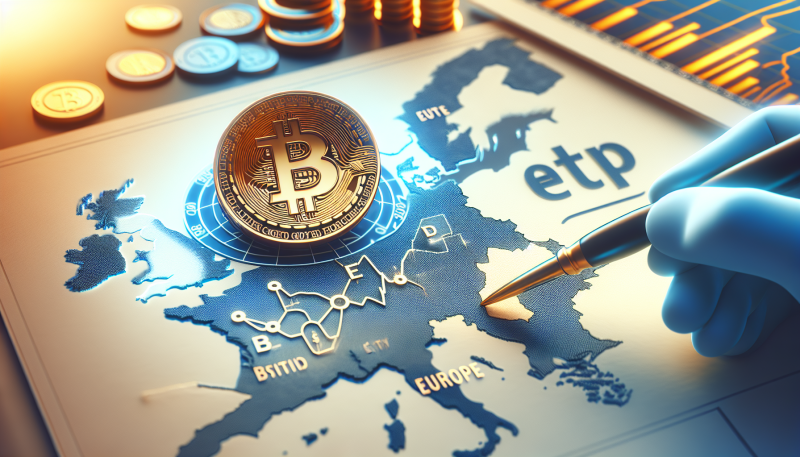
  • BlackRock Launches First Bitcoin ETP in Europe, Expanding Crypto Access for Investors

    BlackRock Launches First Bitcoin ETP in Europe, Expanding Crypto Access for Investors

    What happened?

    BlackRock, the world’s largest asset manager, has introduced a new Bitcoin exchange-traded product (ETP) in Europe, which marks its first crypto-linked ETP offering outside North America. This launch follows the success of its U.S.-listed iShares Bitcoin Trust, a significant venture that reached $48 billion since its debut in 2024. The iShares Bitcoin ETP will begin trading under the ticker IB1T on Germany’s Xetra exchange and Euronext Paris, as well as BTCN on Euronext Amsterdam.

    Who does this affect?

    This development primarily impacts investors interested in cryptocurrency markets, particularly those based in Europe. Both retail and institutional investors looking to diversify their portfolios with digital assets now have access to a significant new investment option. The European market, although historically smaller than the U.S. in crypto investments, stands to benefit from increased participation due to BlackRock’s reputation and competitive fee structure.

    Why does this matter?

    The launch of BlackRock’s Bitcoin ETP in Europe could lead to broader market impacts by increasing the accessibility and legitimacy of cryptocurrency investments within the region. This move is expected to attract more investors to the European crypto market, potentially boosting its size beyond the current $13.6 billion. With recent positive trends in digital asset inflows, as seen with the recent $644 million influx, including significant contributions from the U.S., the presence of a major player like BlackRock may further solidify investor confidence in crypto markets globally.

  • Crypto.com Sparks Controversy by Reissuing 70 Billion CRO Tokens, Shattering Investor Trust

    Crypto.com Sparks Controversy by Reissuing 70 Billion CRO Tokens, Shattering Investor Trust

    “`html

    What happened?

    Crypto.com has decided to reissue 70 billion Cronos (CRO) tokens that were previously burned, restoring the total supply to 100 billion CRO. This decision comes as a shock to investors who believed the burn was permanent and has resulted in widespread criticism. The move was part of a plan to establish a “Strategic Reserve” for funding growth initiatives, but it has sparked allegations of unethical practices.

    Who does this affect?

    This reissuance directly affects investors and holders of the CRO token, as well as the broader Crypto.com community. Many investors who bought CRO under the assumption that its supply was capped at 30 billion feel misled and betrayed. The controversy has also caught the attention of crypto influencers and watchdogs like ZachXBT, who have criticized Crypto.com’s actions as damaging to trust in the platform.

    Why does this matter?

    This decision has significant market implications as it alters the dynamics of CRO’s supply and demand, potentially impacting its value negatively. With CRO’s price already down 23% over the past year, the market is concerned about further declines and the possibility of investor withdrawal due to diminished trust in Crypto.com. Additionally, the move raises questions about governance and transparency within the crypto industry, highlighting the need for stricter oversight.

    “`

  • Bitcoin Market Update: Whales and Institutions Signal Bullish Sentiment

    Bitcoin Market Update: Whales and Institutions Signal Bullish Sentiment

    “`html

    What happened?

    Bitcoin is currently trading at around $86,470, showing signs of short-term consolidation after a modest intraday drop. Major investors have made significant moves, including a whale selling 11,400 BTC while realizing substantial gains and a dormant wallet transferring 3,000 BTC after eight years of inactivity. Institutions are also increasing their activity, with BlackRock acquiring a large amount of Bitcoin through its iShares Bitcoin Trust.

    Who does this affect?

    These developments impact various stakeholders, including Bitcoin investors, financial institutions, and crypto enthusiasts. Long-term holders are re-entering the market, suggesting renewed interest among seasoned investors. Institutional involvement, such as the activities by BlackRock, implies that larger financial players are increasingly engaging with Bitcoin.

    Why does this matter?

    The increased activity from both individual whales and institutional players signals a bullish sentiment in the market, influencing Bitcoin’s long-term trajectory. Such movements can drive price volatility in the short term but bolster confidence in Bitcoin’s potential as a mainstream investment. The entry of major financial institutions could lead to more widespread adoption and integration of Bitcoin into traditional financial portfolios.

    “`

  • Rising Integration of Bitcoin into DeFi: Implications and Future Outlook

    Rising Integration of Bitcoin into DeFi: Implications and Future Outlook

    What happened?

    The push for Bitcoin’s integration into decentralized finance (DeFi) is gaining momentum as industry experts predict 2025 to be a pivotal year for this development. A significant percentage of Bitcoin holders are expressing interest in utilizing their BTC within DeFi applications. Layer-2 (L2) projects built on Bitcoin have expanded significantly, with a substantial increase in venture funding allocation.

    Who does this affect?

    This shift towards integrating Bitcoin into DeFi primarily affects Bitcoin holders, developers working on Bitcoin L2 projects, and crypto investors. Bitcoin holders stand to benefit from new opportunities for using their assets in DeFi platforms, while developers and investors are poised to capitalize on the growth potential in this sector. Furthermore, the traditional financial industry may also feel impacts as the evolution of Bitcoin L2s begins to mirror conventional financial systems using Bitcoin as the core asset.

    Why does this matter?

    Integrating Bitcoin into DeFi could dramatically influence the cryptocurrency market by increasing liquidity and driving new use cases for Bitcoin. The surge in Layer-2 projects signifies a maturation of the Bitcoin ecosystem, potentially leading to higher adoption rates and increased innovation. As Bitcoin L2s expand, they promise to bring scalability and advanced financial applications, positioning Bitcoin not just as a store of value but also as a cornerstone for decentralized financial systems.

  • Circle Launches USDC Stablecoin in Japan, Paving the Way for Digital Asset Adoption

    Circle Launches USDC Stablecoin in Japan, Paving the Way for Digital Asset Adoption

    What happened?

    Circle is launching full-scale access to its stablecoin USDC in Japan, partnering with the local financial conglomerate SBI Group. This marks the approval of USDC as the first global dollar stablecoin allowed in the Japanese market. Initially, USDC will be listed on the SBI VC Trade crypto exchange and plans to expand to other major exchanges like Binance Japan, bitbank, and bitFlyer.

    Who does this affect?

    This development impacts cryptocurrency traders and businesses in Japan looking for stablecoin options for digital asset trading and payments. It’s also significant for financial institutions and companies in Japan interested in leveraging stablecoins for improving financial services. Additionally, it sets a precedent for other countries considering regulatory frameworks around digital currencies.

    Why does this matter?

    The introduction of USDC in Japan is likely to enhance liquidity and broaden the use of stablecoins in the Asian market, potentially leading to increased adoption of digital assets globally. Circle’s entry into Japan symbolizes growing acceptance of stablecoins, which may drive innovation and competition in the cryptocurrency sector. The move could stimulate cross-border transactions and commerce, encouraging further integration of blockchain technology in financial systems.

  • Massachusetts Regulators Investigate Robinhood’s New Prediction Markets Amid Concerns Over Gambling Dynamics

    Massachusetts Regulators Investigate Robinhood’s New Prediction Markets Amid Concerns Over Gambling Dynamics

    What happened?

    Massachusetts securities regulators have begun an investigation into Robinhood’s new prediction markets, which allow users to bet on real-world events like college basketball. The state issued a subpoena for details on the platform’s marketing and user participation regarding college basketball event trading. Concerns have arisen that Robinhood might be turning investing into gambling by introducing real-world event contracts.

    Who does this affect?

    This investigation affects Robinhood as a company, particularly its trading operations in Massachusetts. It also impacts Massachusetts-based users who are participating in these event contracts for college basketball. Moreover, it involves regulatory bodies keeping a close watch on how Robinhood markets and manages these predictive betting options.

    Why does this matter?

    This investigation matters because it highlights the tension between traditional investing and emerging forms of speculative trading linked to sports and other events. The market impact could be significant if Robinhood is required to change or halt its prediction markets, potentially affecting its business model and user growth. Additionally, this scrutiny might influence regulations and how similar platforms are allowed to operate in the future.

  • Elizabeth Warren Questions SEC Chair Nominee Paul Atkins Over FTX Ties Ahead of Confirmation Hearing

    What happened?

    Senator Elizabeth Warren has raised concerns about SEC Chair nominee Paul Atkins’ connections with the now-defunct crypto exchange FTX, ahead of his confirmation hearing. She sent a letter questioning his role as an advisor to FTX and whether he ignored warning signs before the exchange’s collapse. The Senate Banking Committee will hold a hearing to decide if Atkins, who was previously an SEC commissioner, should lead the SEC.

    Who does this affect?

    The situation primarily concerns Paul Atkins, the SEC Chair nominee, due to his previous advisory role with FTX. It also affects the broader cryptocurrency industry, as the hearing could influence regulatory policies impacting exchanges and investors. Furthermore, it involves members of the Senate Banking Committee who will assess Atkins’ qualifications and potential conflicts of interest.

    Why does this matter?

    This issue holds significant market impact because Atkins’ confirmation could shape future SEC regulations affecting the cryptocurrency sector. Concerns over his affiliations might influence the SEC’s approach to crypto-related enforcement, possibly altering the landscape for exchanges and investors. Moreover, it highlights ongoing debates about regulation and innovation within the financial industry, which could have wider implications for market stability and investor protection.