Category: News

  • Chainlink expands with 14 new integrations across 11 blockchains, boosting on-chain value and institutional ties

    Chainlink expands with 14 new integrations across 11 blockchains, boosting on-chain value and institutional ties

    What happened?

    Chainlink rolled out 14 new integrations across 11 blockchains while its Oracle Extractable Value (OEV) tech helped Aave’s Smart Vault Router capture $1.6M during last week’s liquidation cascade. The network now claims roughly 63% of the oracle market and continues to deepen ties with institutions via a SWIFT/UBS pilot and U.S. Commerce data posted on-chain. All of this comes as LINK trades below the $20 psychological level but shows signs of buying pressure and a potential push higher.

    Who does this affect?

    DeFi protocols and lending platforms that depend on reliable price feeds and liquidity benefit directly from Chainlink’s expanded integrations and proven OEV performance. Traders and LINK holders are affected because these developments can drive sentiment, volatility, and potential upside if technical breakouts occur. Traditional financial institutions exploring tokenization and payments via SWIFT also face lower barriers to blockchain integration thanks to Chainlink’s tooling and pilot work with UBS.

    Why does this matter?

    This strengthens Chainlink’s market position and makes it harder for rival oracles to catch up, concentrating value and trust around LINK and its ecosystem. By demonstrating it can generate on‑chain economic value during stress and linking into legacy finance, Chainlink raises the odds of more institutional flows and higher TVL, which would be bullish for the token. On the charts, LINK’s key resistance sits around $21.88–$23.11 with a clear upside target near $30–$32 if momentum holds, so a breakout could trigger significant gains while failure to break would keep downside risk intact.


  • SHIB BREAKOUT POSSIBLE AS WHALE ACCUMULATION AND DESCENDING WEDGE SIGNAL 0.000022-0.000032 TARGET

    SHIB BREAKOUT POSSIBLE AS WHALE ACCUMULATION AND DESCENDING WEDGE SIGNAL 0.000022-0.000032 TARGET

    What happened?

    SHIB plunged earlier in the quarter then bounced about 55% from the low to roughly 0.00001102. Large holders pulled huge amounts—hundreds of billions to nearly a trillion SHIB—off exchanges during late September and the October crash, signaling heavy accumulation. The chart shows a descending wedge and a demand zone around 0.0000090–0.0000100, so a breakout could be coming if buyers keep stepping in.

    Who does this affect?

    SHIB holders and traders are the most directly affected, especially anyone who bought the dip or holds big positions. Meme-coin speculators and early investors in new projects like Maxi Doge (which raised millions in presale and offers high staking APY) are also watching because capital and hype can flow between these tokens. Exchanges and market makers feel it too, since lower on-exchange reserves reduce sell-side liquidity and change how volatile the market can be.

    Why does this matter?

    If accumulation keeps up and SHIB breaks out of the wedge, we could see a fast price run toward 0.000022–0.000032, which would be a 100%+ move and likely pull more money into memecoins. Thinner exchange supply from whale withdrawals makes prices more sensitive to buying pressure, increasing the chance of sharp rallies or squeezes. With new meme projects heating up and coins like DOGE and BONK moving, capital could rotate across the sector and amplify a broad memecoin rally in Q4.

  • BNB Chain Launches $45 Million Reload Airdrop to Aid Memecoin Traders and Stabilize Liquidity

    BNB Chain Launches $45 Million Reload Airdrop to Aid Memecoin Traders and Stabilize Liquidity

    What happened?

    BNB Chain launched a $45 million “Reload Airdrop” with Four Meme to compensate traders who lost money in last week’s memecoin crash. The program will randomly send BNB tokens to more than 160,000 addresses and is supported by PancakeSwap, Binance Wallet, and Trust Wallet, with distributions due to finish by early November. The move follows a massive liquidation event that wiped out billions of dollars and left many retail traders reeling.

    Who does this affect?

    It directly targets memecoin traders on BNB Chain who suffered losses, with over 160,000 addresses eligible for payouts. Builders, launchpads, and DEXs like Four Meme and PancakeSwap are also affected because the program aims to stabilize liquidity and keep those users engaged. Indirectly, BNB holders and the wider BNB ecosystem benefit if the initiative restores trading activity and confidence.

    Why does this matter?

    The airdrop helped fuel a sharp recovery in market sentiment — BNB jumped more than 16% and hit new highs as traders reacted positively. By returning funds to retail traders and adding fair-launch mechanics, the program could shore up liquidity and dampen some short-term volatility around memecoin launches. At the same time, it risks creating moral hazard by signaling that large-scale relief may follow future crash losses, which could encourage riskier behavior.

  • Crypto Market Rebounds After Flash Crash as WEPE Bridges to Solana and Burns Reduce Supply

    Crypto Market Rebounds After Flash Crash as WEPE Bridges to Solana and Burns Reduce Supply

    What happened?

    The crypto market plunged in a flash crash around Oct 10—about $19 billion in liquidations knocked big chunks off BTC and ETH—then rebounded to over $4 trillion by Monday. Wall Street Pepe (WEPE) kicked off its bridged Solana airdrop on Oct 14–15, officially unifying the token across Ethereum and Solana. Its Solana early access phase burned 5.2 billion WEPE (cutting supply by roughly 2.6%), automated bridged distributions are due to hit wallets, and the token rallied about 11% as markets steadied.

    Who does this affect?

    Retail and institutional crypto traders who felt the liquidation shock and anyone watching risk assets are affected by the rebound and renewed buying pressure. WEPE holders and early-access participants benefit directly from the burns and the automatic Solana distributions, while meme-coin speculators and NFT collectors could see changes in value and liquidity. The Ethereum and Solana ecosystems, plus wallets and exchanges that list or support WEPE, may see higher trading volumes and cross-chain activity.

    Why does this matter?

    Burns that reduce supply and a new Solana bridge can create scarcity and expand WEPE’s liquidity pool, increasing the likelihood of upward price pressure. With the broader market stabilizing and sentiment moving toward neutral, returning investors might funnel fresh capital into meme coins like WEPE, which can boost trading volume and volatility. That said, the setup is still speculative—while it can spark rallies, it can also amplify price swings if market sentiment shifts again.

  • SNORT Presale Nears End as Solana-Native Bot Token Raises Nearly $5 Million

    SNORT Presale Nears End as Solana-Native Bot Token Raises Nearly $5 Million

    What happened?

    The Snorter Bot Token (SNORT) presale has entered its final seven days and has already raised nearly $5 million, with the current presale price at about $0.1077. The presale price will step up until the sale closes, and the next chance to buy will likely be at higher exchange prices after listing. Investors are piling in because SNORT is Solana-native, built for multichain expansion, and markets are comparing its potential to past trading-bot winners like Banana Gun.

    Who does this affect?

    This matters most to early investors and traders who want to secure SNORT at presale prices before listings push the price up. It also affects Telegram bot users and Solana-focused traders who could benefit from faster, cheaper execution and the bot’s token utilities like staking and low fees. Competing bot projects, exchanges, and retail crypto investors are also impacted as capital and attention may shift toward SNORT and its ecosystem.

    Why does this matter?

    Strong presale demand and a Solana-based, multichain strategy could cause a big price jump on listing, echoing past outsized moves in similar bot tokens and drawing fresh capital into the sector. SNORT’s staking, low trading fees, and limited circulating supply during presale can tighten liquidity and create FOMO, which may amplify short-term volatility and upward momentum. If the token gains traction, it could reshape competition among Telegram bots, drive more listings and volume on exchanges, and influence valuations across the niche.

  • Pardon Talks for Binance Founder CZ Zhao Intensify at White House, Raising Market and Regulatory Questions

    Pardon Talks for Binance Founder CZ Zhao Intensify at White House, Raising Market and Regulatory Questions

    What happened?

    Multiple reports say pardon talks for Binance founder Changpeng “CZ” Zhao have been ramping up inside the White House, with some people close to Trump saying he’s leaning toward a pardon. Media outlets like the New York Post and Fox Business’s Charles Gasparino have pushed the story, saying discussions have recently heated up. Senator Elizabeth Warren has publicly pushed for answers and raised concerns about the optics and potential conflicts tied to the president’s crypto connections.

    Who does this affect?

    It most directly affects CZ and Binance, since a pardon could change his legal standing and future role in crypto. U.S. crypto investors, other exchanges, and companies tied to Binance or Trump-linked platforms could feel the fallout from any political or regulatory reaction. Lawmakers, regulators, and firms involved in stablecoin deals like WLF and MGX are also likely to be drawn into the controversy.

    Why does this matter?

    A pardon could boost market confidence in Binance and spark short-term trading activity, but it also raises the risk of political backlash and tougher regulation that could spook investors. The mix of legal leniency and close ties to presidential interests could create volatility in crypto prices and uncertainty for firms operating in the U.S. market. Overall, the outcome could shift investor sentiment, influence regulatory policy, and move markets depending on whether it’s seen as reducing legal risk or increasing political risk.

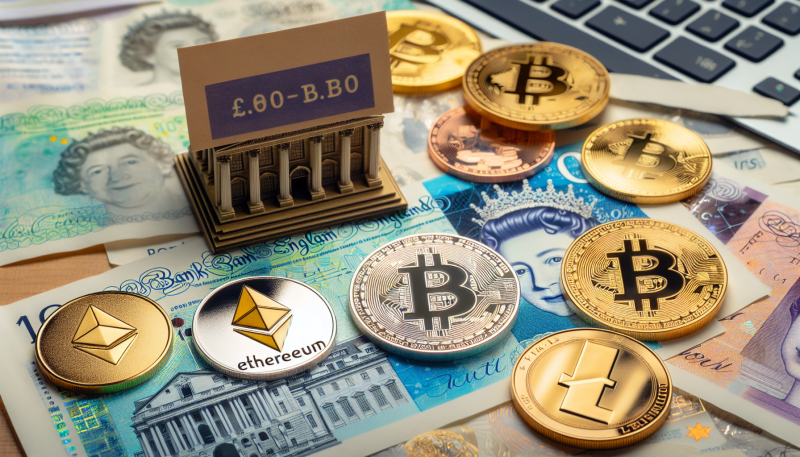
  • Farage Proposes 10% Crypto Tax, Bank of England Bitcoin Reserve and Crypto Payments in the UK

    Farage Proposes 10% Crypto Tax, Bank of England Bitcoin Reserve and Crypto Payments in the UK

    What happened?

    Nigel Farage announced a pro-crypto platform that would cut capital gains tax on crypto to a flat 10%, create a Bank of England Bitcoin reserve funded with about £5 billion in seized crypto, and allow taxes to be paid in Bitcoin. He also pledged to ban banks from refusing crypto-related customers, block a central bank digital currency, and push the Crypto Assets and Digital Finance Bill through quickly if elected. Reform UK leads in some polls, but the first-past-the-post system and the next election timeline mean these plans face significant political hurdles before becoming law.

    Who does this affect?

    Crypto investors, exchanges, and startups could benefit from lower taxes, easier banking access, and clearer rules, while banks and asset managers would have to adjust to new regulations around services and stablecoin holdings. Regulators, the Bank of England and law enforcement would be directly involved in setting up any official Bitcoin reserve and handling seized assets. Ordinary taxpayers could see changes in how gains are taxed and the option to pay taxes in crypto, which would reshape reporting and payment systems.

    Why does this matter?

    For markets, a promise of a 10% crypto tax and a government Bitcoin reserve would likely boost demand and investor sentiment, potentially lifting crypto prices and encouraging more institutional activity in the UK. But the combination of political uncertainty, long timelines to implementation and possible regulatory pushback means volatility could spike on election or policy news. Because the US and EU are already racing to set crypto rules, the UK’s stance will affect capital flows—favorable rules could attract firms and talent, while restrictive or unclear policy could drive them elsewhere.

  • Bitcoin Plunges on Massive Liquidations, Rebounds Toward 115,000 as Leverage Eases

    Bitcoin Plunges on Massive Liquidations, Rebounds Toward 115,000 as Leverage Eases

    What happened?

    Bitcoin experienced a sharp sell-off that wiped out over $12 billion in open interest as a wave of forced liquidations hit the market. The plunge was driven by macro headlines — including threats of heavy tariffs on China — and blew out over $20 billion in leveraged positions. Markets then quickly rebounded to around $115,000 as on-chain indicators showed broad deleveraging and normalization.

    Who does this affect?

    Leveraged traders and derivatives desks took the biggest hit as margin calls and liquidations forced positions to close. Retail traders reacted strongly too, with roughly $1.36 billion deposited to Binance in a single day, while U.S. spot ETFs saw minimal outflows and continued weekly inflows. Exchanges, market makers, and investors in correlated assets (stocks, gold, oil) also felt the swing in risk sentiment.

    Why does this matter?

    This reset matters because it clears excess leverage, lowering the chance of a more disorderly collapse in the short term. With leverage reduced, liquidity indicators healthier, and ETFs still drawing money, the market could be set up to test prior highs like $126k–$130k if key levels are reclaimed. But macro headlines — renewed trade tensions or surprise policy moves — can still spark big moves, so volatility and headline risk remain high for traders and investors.

  • BitMine Immersion Buys $827 Million Worth of ETH, Reaching 3.03 Million ETH and Becoming the Largest Public Ethereum Treasury

    BitMine Immersion Buys $827 Million Worth of ETH, Reaching 3.03 Million ETH and Becoming the Largest Public Ethereum Treasury

    What happened?

    BitMine Immersion bought over $827 million of ETH during a recent market crash, adding 202,037 ETH to bring its total to about 3,032,188 ETH (roughly 2.5% of circulating supply). The purchases came amid a liquidation cascade that wiped out more than $19 billion in leveraged positions and pushed crypto market cap down sharply. BitMine now holds roughly $12.9 billion in crypto and cash and is the largest public Ethereum treasury and the second-largest public crypto treasury overall.

    Who does this affect?

    This move matters to Ethereum holders and traders because concentrating millions of ETH in one public treasury changes supply dynamics and can influence price moves. It also affects BitMine shareholders and short-sellers—BMNR has been highly traded and volatile, dropping after a critical short report—and competing treasuries and institutional investors who track large holders. Finally, exchanges, liquidity providers, and leveraged traders are directly impacted because big buys and crash-driven liquidations increase volatility and can trigger further squeezes.

    Why does this matter?

    Big, concentrated buying can reduce available float and provide price support, especially as Ethereum readies upgrades like Fusaka that analysts say could boost longer-term demand and even push price targets higher. At the same time, it raises centralization and systemic-risk concerns—if a massive holder moves or liquidates, volatility could spike and ripple across markets. Overall, BitMine’s accumulation signals growing institutional conviction which can pull more capital into crypto markets, change trading flows, and influence market caps and price discovery.

  • Tariff Shock Triggers Major Crypto Selloff and Margin Calls

    Tariff Shock Triggers Major Crypto Selloff and Margin Calls

    What happened?

    A surprise announcement that the U.S. would impose 100% tariffs on Chinese imports on Oct. 10 sparked a massive crypto selloff. The shock triggered over $19 billion in forced liquidations and wiped out roughly 1.6 million trader positions, mostly longs. Bitcoin dropped below $105,000 before beginning a quick rebound a few days later.

    Who does this affect?

    Leveraged traders and derivatives platforms were hit the hardest, with exchanges like Binance, OKX and Bybit facing the bulk of automated margin calls. Retail and institutional traders who ran high-margin positions saw big losses as open interest fell by more than 30%. Spot ETF buyers, market makers and desks that bought the dip also played a role in stabilizing prices during the rebound.

    Why does this matter?

    The episode shows crypto is now tightly tied to macro policy risk, so headline shocks can quickly cascade through leveraged markets and liquidity pools. Forced liquidations pushed funding rates negative, spiked implied volatility above 50%, and drained liquidity—conditions that make future flash crashes more likely if leverage rebuilds. Even with a rebound and $420 million of spot ETF inflows, markets remain fragile, changing how traders and institutions price and hedge risk.