Category: News

  • PEPE Drops to Worst-Performing Top Meme Coin of 2025 as Traders Look for a Possible Rebound

    PEPE Drops to Worst-Performing Top Meme Coin of 2025 as Traders Look for a Possible Rebound

    What happened?

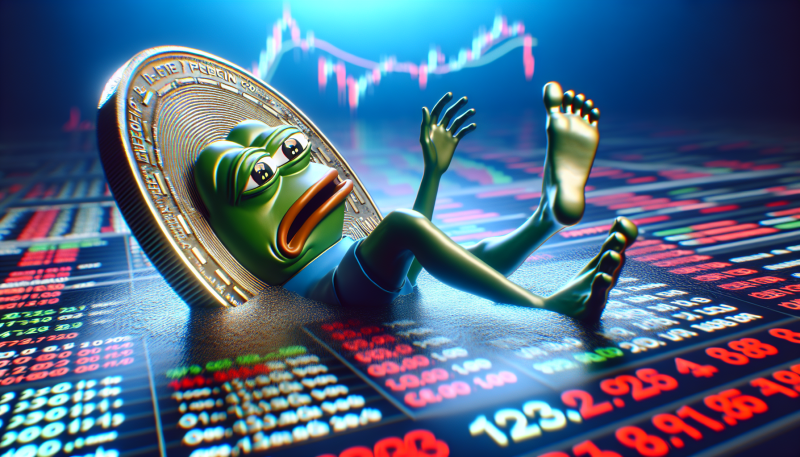
    PEPE has been the worst-performing top-5 meme coin in 2025, plunging more than 72% year-to-date and dropping another 2% in the last 24 hours for a 20% weekly loss. Trading volume remains unusually high at about $680 million while futures open interest has fallen to its lowest level since April. Technicals show the token sitting on a key support around $0.0000055, and some analysts are calling a possible big rebound if traders jump back in.

    Who does this affect?

    Short-term traders and leveraged futures holders are most at risk because collapsing open interest and volatile moves can trigger liquidations and sudden losses. Long-term meme-coin investors and speculators also feel the pain from heavy YTD declines, though they’d benefit if a bounce toward the suggested targets occurs. New projects and presale investors—like those backing Pepenode—are affected too, since capital and attention can quickly shift from beaten-down tokens into fresh, high-yield opportunities.

    Why does this matter?

    Low open interest combined with high volume often precedes sharp reversals, so a PEPE turnaround could spark quick, large moves across the meme-coin market. A sustained rally toward levels like $0.000009–$0.000025 would likely reignite risk appetite and pull money back into similar tokens, amplifying market-wide gains. Conversely, continued weakness could drain liquidity and push retail capital into new presales and M2E projects, changing where short-term crypto flows go next.
  • Crypto Market Falls as Tech Stocks Sell Off; ETF Launches and Presales Signal Possible Rebound

    Crypto Market Falls as Tech Stocks Sell Off; ETF Launches and Presales Signal Possible Rebound

    What happened?

    The market fell again today after a sharp drop in tech stocks, dragging crypto down as XRP, Bitcoin and Ethereum all slid. All three tokens have fallen by double-digit percentages over the past week and month, though charts show indicators near oversold levels. At the same time a presale token called PEPENODE has raised over $2 million and traders are eyeing upcoming ETF launches that could spark a rebound.

    Who does this affect?

    Retail traders and short-term investors are feeling the hit from the sudden selloff as prices and sentiment swing quickly. Institutional investors and ETF holders are also watching closely because outflows and new ETF launches can move large amounts of capital. Early backers of presale tokens like PEPENODE and holders of smaller altcoins could see outsized gains or losses if listings and launches go well or poorly.

    Why does this matter?

    This dip matters because it could clear weak hands and set the stage for a bigger rebound once ETF launches and buying return, potentially pushing Bitcoin back toward $110k–$150k and lifting ETH and XRP. ETF flows and renewed institutional buying would bring large, sustained inflows that can reprice the market and improve liquidity. At the same time, presale and small-cap tokens can amplify moves, so expect higher volatility and the need for active risk management.

  • Elon Musk’s DOGE-1 Moon Mission Moves Forward, Potentially Driving Dogecoin Rally and Meme-Coin Volatility

    What happened?

    Elon Musk tweeted “It’s time” and confirmed the DOGE-1 lunar mission is moving forward with FCC filings pointing to a late‑2025 launch, fulfilling a 2021 promise to send Dogecoin to the Moon. The mission would be the first space expedition fully financed by cryptocurrency and marks a huge publicity moment for the meme coin. The announcement has already reignited social attention around Dogecoin and related meme tokens after prior delays.

    Who does this affect?

    Retail crypto traders and Dogecoin holders are the most directly affected because Musk-driven social catalysts historically spark retail buying and big short‑term moves. Meme‑coin speculators and new projects (like MaxiDoge, which has pulled in presale money) could see spillover interest and capital flows. Exchanges, DeFi platforms, and market makers will likely see changes in volume and volatility as traders reposition around the news.

    Why does this matter?

    This matters because the mission could inject fresh retail capital and social momentum that helps DOGE reclaim key technical levels — a hold above $0.20 could target $0.50 and, if hype continues, even push toward $1 while a break below $0.15 risks a crash back toward $0.09. Beyond DOGE, a Musk‑driven event can lift the wider meme‑coin cohort and boost early presales, creating rapid speculative rallies and heightened market volatility. In short, the announcement raises both upside breakout potential and downside risk, making positioning and risk management critical for traders and investors.

  • Galaxy Digital Cuts 2025 Bitcoin Target to $120,000 Amid Liquidity Struggles and Leveraged Liquidations

    Galaxy Digital Cuts 2025 Bitcoin Target to $120,000 Amid Liquidity Struggles and Leveraged Liquidations

    What happened?

    Galaxy Digital cut its 2025 Bitcoin price target from $185,000 to $120,000, citing rising leveraged liquidations, large whale sell-offs and tighter market liquidity. The firm still says it’s long-term bullish because institutional inflows and ETF growth should keep demand intact. At the same time, Japan’s Metaplanet tapped a $100M Bitcoin-backed loan to buy more BTC and Adam Back’s Swiss startup “Future” raised $34.5M to build custody and treasury services, while BTC trades around $103,000 with signs of technical consolidation.

    Who does this affect?

    Short-term traders and leveraged positions are most at risk as downgrades and liquidations can spark volatile moves. Institutional investors, corporate treasuries and custody providers care because forecasts, loans and new infrastructure shape allocation decisions and product demand. Retail holders, miners and exchanges also feel the impact since whale behavior and liquidity shifts directly influence price swings and trading conditions.

    Why does this matter?

    A lower target from a major research team can cool speculative froth and make traders more cautious, which may pressure near-term upside even as it reduces tail risk. Meanwhile, Metaplanet’s conservative leverage and new custody infrastructure signal steady institutional demand that could underpin prices once liquidity stabilizes. Technical consolidation around $100k–$104k suggests a choppy period ahead that could set the stage for a more sustainable rally if institutions keep buying and leverage continues to unwind.

  • Bitcoin Hits Record High and Pulls Back as Altcoins Gain Momentum

    Bitcoin Hits Record High and Pulls Back as Altcoins Gain Momentum

    What happened?

    Bitcoin surged to a record $126,080 and has since pulled back, threatening its grip above $100k. Many investors see the drop as a healthy correction that’s clearing overleveraged positions and speculative froth. At the same time, altcoins like XRP, Solana and Dogecoin are gaining attention thanks to new products (Ripple’s RLUSD), potential Solana ETFs, growing merchant use of DOGE, and hype around presales like Bitcoin Hyper.

    Who does this affect?

    Bitcoin holders and short-term traders face renewed volatility and the possibility of support tests below key levels. Altcoin investors, project teams, and presale backers stand to benefit if capital rotates into XRP, SOL, DOGE and emerging tokens. Institutions, exchanges and payment platforms are also affected as ETF activity, bank partnerships and merchant adoption reshape where money flows.

    Why does this matter?

    The shift signals a potential rotation of liquidity away from Bitcoin into altcoins, which could drive bigger percentage gains and higher volatility across the market. ETF approvals and clearer regulation would likely unlock sizable institutional inflows that lift prices broadly, especially for scalable chains like Solana and utility tokens like XRP. New stablecoins, Layer‑2s and meme-presales increase real‑world utility and speculative appetite, meaning this correction could set the stage for stronger rallies in the next bull cycle.

  • Altseason Looms as Bitcoin Dominance Wanes and XRP, ADA and ICP Shine

    Altseason Looms as Bitcoin Dominance Wanes and XRP, ADA and ICP Shine

    What happened?

    ChatGPT suggested that Bitcoin’s dominance is likely to fade as the market matures and high-utility altcoins take center stage. It highlighted XRP, Cardano and Internet Computer as big potential winners with forecasts like 350% for XRP, roughly 5x for ADA and about 6x for ICP, while a new meme presale (Maxi Doge) is stirring hype. These calls are tied to things like Ripple’s legal win, new product launches (like ICP’s Caffeine), and mixed macro signals — Uptober, Fed rate moves and trade tensions — pointing to a deeper structural shift.

    Who does this affect?

    Retail traders and institutional investors could see money flow away from Bitcoin into these altcoins as they chase higher returns and real-world use cases. Crypto developers, DeFi projects and exchanges stand to gain from increased activity and listings, while Bitcoin-focused holders may face portfolio pressure and rotate capital. Regulators and policymakers also matter here, because clearer rules or ETF approvals will shape how fast money moves and which assets get institutional interest.

    Why does this matter?

    If capital rotates from Bitcoin into high-utility altcoins, market caps and liquidity will shift, driving bigger price moves and higher volatility across the crypto market. That can accelerate adoption for platforms with real utility, boost staking and DeFi yields, and change where venture and institutional funds allocate capital. In short, a sustained altseason would reshape market structure, influence trading volumes and sentiment, and determine which projects lead the next bull cycle.

  • Utility-Driven Tokenomics Spark Altcoin Gains as Market Remains Muted

    Utility-Driven Tokenomics Spark Altcoin Gains as Market Remains Muted

    What happened?

    A few altcoins saw sharp gains while the wider market stayed muted, with the Crypto Fear & Greed Index around 20 and the Altcoin Season Index near 25. ZKsync surged roughly 45% after unveiling tokenomics that add direct economic utility, while Zcash and Astar also climbed on privacy interest and a high-profile purchase. These moves were concentrated and driven by higher trading volume and growing social engagement around projects that are changing their economic design.

    Who does this affect?

    Active traders and short-term speculators looking for liquidity and news-driven breakouts are the immediate beneficiaries of these pockets of strength. Projects that add real economic hooks or attract institutional partners stand to gain attention and capital, while tokens that rely purely on hype may be left behind. Exchanges, market makers, and institutional custodians also pay closer attention to assets that demonstrate sustainable value accrual, which can affect listings and liquidity provision.

    Why does this matter?

    This matters because the market is starting to reward tokens that show real utility and economic design, which can shift capital away from broad speculation into targeted bets. If more projects adopt fee capture, staking rewards, or enterprise use cases like ZKsync proposes, liquidity and trading volume could deepen for those names. Over time that dynamic could narrow breadth but strengthen mid-cap alts, shaping the next altcoin cycle and how traders price risk versus fundamentals.

  • Madras High Court Rules Cryptocurrencies Are Property, Granting Them Legal Recognition in India

    What happened?

    The Madras High Court ruled that cryptocurrencies are “property capable of being possessed and held in trust,” giving them formal legal recognition in India. This decision came after a user, Rhutikumari, sued WazirX when the exchange froze her 3,532.30 XRP following a $235 million hack and a plan to “socialize” losses. The court stopped WazirX from touching her XRP and ordered the exchange to provide a bank guarantee of about $11,500 while the case continues.

    Who does this affect?

    Crypto holders in India are directly affected because their coins may now have the same legal protections as other types of property in disputes with exchanges. Exchanges and platforms could face more legal scrutiny and tighter obligations before freezing or reallocating customer funds. Investors in XRP and other tokens, legal teams, and regulators worldwide will also be watching closely since this sets a potential precedent for similar cases elsewhere.

    Why does this matter?

    Giving crypto clear property status cuts through legal uncertainty, which can boost investor confidence and make people more willing to hold and trade tokens like XRP. That increased confidence could lift demand, trading volume, and potentially prices, while forcing exchanges to improve custody and risk management. Over time, clearer rules in a big market like India could draw institutional capital, speed up adoption, and influence how global markets and regulators treat crypto.

  • World Liberty Financial Launches USD1 Stablecoin on Solana with Bonk and Raydium, Aiming to Challenge USDC

    What happened?

    World Liberty Financial announced it’s bringing its USD1 stablecoin onto Solana by partnering with memecoin platform Bonk and DEX Raydium. The integration will add USD1 to Bonk’s launchpad and Raydium’s AMM pools, create new USD1 trading pairs, and include multi-million-dollar incentives while WLFI says it’s buying USD1 for strategic reserves. The move follows WLFI’s recent rewards program, airdrops and hires as part of a broader push to make USD1 a major stablecoin on Solana.

    Who does this affect?

    Solana traders and DeFi users could see new USD1 trading options and incentive programs that change where they provide liquidity and trade. It directly challenges Circle’s USDC and other stablecoin issuers by trying to capture market share on a network where USDC currently dominates. WLFI token holders, Bonk and Raydium communities, market makers and liquidity providers will feel the impact depending on how much liquidity and activity USD1 draws in.

    Why does this matter?

    If USD1 gains traction it could eat into USDC’s dominance on Solana and shift billions in stablecoin liquidity and trading volume toward WLFI’s ecosystem. That competition may lower costs, raise yields for liquidity providers, and trigger more aggressive incentive programs as platforms fight for USD1 liquidity. In the short term WLFI’s token already jumped about 10%, and over the long run the campaign could reshape capital flows in Solana DeFi and draw greater regulatory scrutiny as stablecoins grow.

  • Crypto Sell-Off Deepens as Risk Appetite Falls, Liquidations Surge and Liquidity Tightens

    Crypto Sell-Off Deepens as Risk Appetite Falls, Liquidations Surge and Liquidity Tightens

    What happened?

    Risk appetite fell in early November and crypto dropped quickly, triggering over $2 billion in liquidations and dragging market value down to roughly $3.45 trillion. Bitcoin slid below $100,000 and Ethereum fell under $3,100 as long positions were forced out and resting bids proved scarce. Market makers pulled back, spreads widened, and funding and basis moved toward neutral or negative as leverage came out of the system.

    Who does this affect?

    Leveraged traders and funds with long positions were hit first by margin calls and cascading sells. Market makers and liquidity providers tightened sizes and reduced inventory, making it harder for anyone to trade without moving prices. Retail and institutional spot holders also felt it because thinner books and simultaneous equity selling amplified price swings.

    Why does this matter?

    Reduced liquidity and tighter dealer inventories raise the odds of sharp price gaps and longer sell-offs during stress periods, which worsens volatility. With funding and basis drifting neutral or negative, sustainable rallies will need fresh cash rather than mechanical squeezes, so rebounds may be short-lived unless on-chain and cash indicators improve. If dollar and rate pressure ease and stablecoin issuance turns positive, liquidity should rebuild—if not, markets stay fragile and prone to quick reversals.