Two big publicly traded Bitcoin miners are taking different approaches: CleanSpark is building one of the largest self-mined Bitcoin treasuries while Riot Platforms is selling a chunk of its production to raise cash. CleanSpark reported about 13,011 BTC and expanded hashrate, power contracts, and credit facilities, while Riot sold hundreds of coins in September and focuses on cash flow. Both companies have also tapped Bitcoin-backed credit lines to fund growth without diluting shareholders.
Who does this affect?
Shareholders and investors in both miners are directly affected because treasury policies change balance-sheet risk, cash flow, and exposure to BTC price moves. Energy partners, hardware suppliers, and lenders like Coinbase are involved too as miners lock power capacity and use BTC as collateral. The broader crypto market and other mining firms feel the impact since differing sell/hold strategies and credit use change liquidity and financing benchmarks.
Why does this matter?
It matters for the market because CleanSpark hoarding BTC can remove supply from circulation while Riot’s sales add short-term liquidity, which can push or temper price swings. Analysts and investors will value miner stocks differently depending on whether management prioritizes treasury accumulation or steady cash generation, affecting stock prices and access to cheaper capital. Widespread use of BTC-backed credit lines could reduce forced selling but also link crypto price risk more tightly to debt markets, altering volatility and funding stability.
U.S. regulators held a high-profile joint roundtable where the SEC and CFTC said they’ll harmonize rules rather than merge, while lawmakers opened a probe into deleted texts from former SEC Chair Gary Gensler. The SEC also issued temporary guidance allowing state-chartered trust companies to act as crypto custodians for advisers, and SEC officials are reportedly exploring a framework to let stocks trade as tokens on blockchain rails. Overall the week was a mix of cooperation, oversight action, and big policy ideas that leave some short-term uncertainty but point to major changes ahead.
Who does this affect?
Crypto firms, exchanges, and custody providers are directly affected by the SEC’s temporary custody guidance and by any future rules on who can hold digital assets. Asset managers, fintechs, and traditional broker-dealers will be watching proposed tokenization of stocks since it could change how they settle, list, and clear trades. Retail and institutional investors also stand to feel the effects through new trading options, potential liquidity shifts, and the legal clarity (or uncertainty) that comes from regulator cooperation and probes.
Why does this matter?
Greater SEC–CFTC harmony and clearer custody rules can reduce regulatory risk and lower barriers for firms to offer crypto services, which could boost adoption and liquidity in digital-asset markets. At the same time, investigations into deleted texts keep transparency and trust issues in play, so market participants may remain cautious until governance questions are settled. If tokenized stocks become reality, markets could see faster settlement, new trading venues, and intensified competition between fintechs and Wall Street incumbents — all of which could materially reshape pricing, liquidity, and market structure.
ETHFI has moved from obscurity to the spotlight as social and engagement metrics surged—AltRank jumped 42 places to 16, Galaxy Score rose to 72, mentions climbed and engagements increased by nearly 2,000%. The protocol backed that buzz with on-chain actions, spending over $7 million on buybacks and using a recent $205,000 tranche to buy 127,000 ETHFI, burning 155,000 tokens and distributing 108,000 to stakers. Price followed the attention, trading around $1.75 (about +9% on the day and +50% over the month) with a market cap near $910 million.
Who does this affect?
ETHFI holders and stakers are directly affected since buybacks, burns and distributions change circulating supply and reward stakers. Traders and speculators feel the impact from the sudden spike in attention and shifting liquidity, while exchanges and liquidity providers may be tested by increased volume. Crypto analysts, on-chain researchers and projects watching altcoin rotations also care because this shows how community activity plus protocol revenue can move assets.
Why does this matter?
This matters because social momentum combined with recurring buybacks can materially tighten supply and lift prices, at least in the short term. If the protocol’s revenue and adoption scale, the move could be sustainable and pull in more capital, but if it’s mainly community-driven it could fade and leave late buyers exposed to volatility. For the broader market, ETHFI’s run highlights how smaller tokens can punch above their weight in altcoin rotations, shaping sentiment and creating both opportunities and risks for retail and institutional players.
What happened? U.S. services PMI unexpectedly fell to 50 in September, signaling a sharp slowdown.
The ISM services PMI slipped to 50 with Business Activity at 49.9 and New Orders weakening sharply, showing service-sector growth is stalling. That surprise slowdown, combined with softer labor data and core PCE at 2.9%, has pushed markets to price in a higher chance of near-term Fed rate cuts. Meanwhile, the Fed’s balance sheet has shrunk significantly since the pandemic peak, tilting the policy backdrop toward easing.
Who does this affect? Investors and traders in risk assets—especially Bitcoin and institutional participants—are the most impacted.
Institutional flows into spot Bitcoin ETFs have been strong, Bitcoin open interest hit record highs, and options/futures activity shows heavy leverage, so crypto traders are directly exposed. Equity and bond markets also react to shifting rate-cut expectations, meaning broad risk-on positioning benefits from this pivot. Retail and long-term holders matter too, because a rising share of long-term BTC holders and steady spot demand can make any rally more durable.
Why does this matter? A move toward easier policy can boost liquidity and fuel a big risk-on rally, raising the odds of Bitcoin pushing toward $150K or beyond.
Monetary easing plus the possibility of fiscal stimulus would inject more liquidity and historically lifts speculative assets, making big upside moves more likely. With strong ETF inflows, record leverage, and technical breakouts above $120K, analysts and banks are now projecting much higher price targets for Bitcoin. But the large buildup of futures open interest also raises the risk of rapid volatility and sharp corrections if momentum reverses.
Samsung partnered with Coinbase to put Coinbase services directly into the Samsung Wallet for more than 75 million U.S. Galaxy users, with a global rollout planned. Users get perks like three months of Coinbase One free, a $25 credit after their first trade, and Samsung Pay integration for buying crypto. The update turns Samsung Wallet into a hub for IDs, cards, keys and crypto, making it easier to buy, store and manage digital assets on your phone.
Who does this affect?
It directly affects millions of Galaxy smartphone owners in the U.S. now and potentially hundreds of millions worldwide when the rollout expands, giving casual users a simpler path into crypto. Coinbase benefits by gaining a huge built-in audience, while rival exchanges, wallets and payments providers face stronger competition for retail customers. Institutions and infrastructure providers are also impacted indirectly as increased retail activity raises demand for custody, liquidity and trading services.
Why does this matter?
Lowering the friction to buy and hold crypto on a major phone platform should boost retail adoption and trading volumes, which can raise liquidity and fee income for exchanges like Coinbase. The deal strengthens Coinbase’s consumer reach and pressures competitors and traditional finance firms to respond with partnerships or new products, likely speeding up innovation and consolidation in the space. Paired with moves like CME’s 24/7 trading plans and advanced analytics tools, easier phone-based access helps mainstream crypto, which could lift market activity, asset prices, and attract more institutional services and regulatory scrutiny.
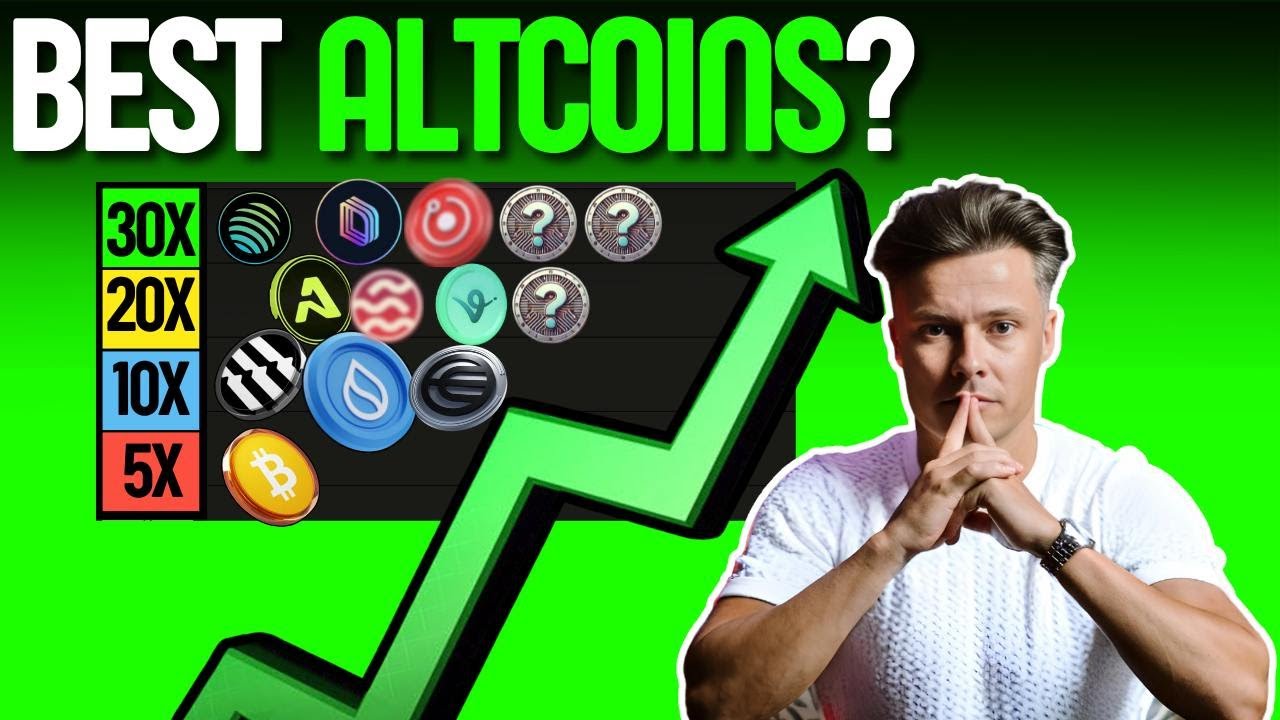
Crypto Altcoins are moving separately. These Altcoins Could See Insane Moves During This Altcoin Bullmarket Ahead.
Weex – Join the FREE trading group https://THOC.short.gy/TradingCM
Bitunix – Smart Campaign, Reliable Support 👏 https://THOC.short.gy/BitunixCM
BloFin – Power Your Trades, Unlock Rewards https://THOC.short.gy/BloFin
My new Twitter, alpha post daily https://x.com/Peter_thoc
👇👇👇 Unlock Incredible Benefits 👇👇👇
💎 Join My Inner Circle for Exclusive Insights and Community Hivemind💎
✅ Sign-up for only $19.99 / month
👉 https://whop.com/the-house-of-crypto/ 👈
🌔 Join The Moon House for Experts’ Alpha 🌖
✅ Maximize your learning with weekly live calls and Q&A sessions.
👏 https://whop.com/the-moon-house/ 👏
💰No KYC | 400+ altcoin pairs | Fastest new coin listing 💛 WEEX Exchange💰
✅ Deposit, trade and get rewards!
👁️ Referral code: 2dfo
👏 https://THOC.short.gy/WEEX 👏
💰NO KYC & NO VPN + Rewards 💚 Bitunix Exchange💰
✅ Trade anywhere in the world with a discount on your trading fee
👁️ Referral code: rdhq
👏 https://THOC.short.gy/Bitunix 👏
💰NO KYC | Fast Execution Customer Service Team 🧡 BloFin Exchange💰
✅ 20% Deposit Bonus | Exclusive Airdrop 🎁
👁Referral code: HouseOfCrypto
👏 https://THOC.short.gy/BloFin 👏
💰Low Trading fees💙 MEXC (No KYC)💰
✅ Visit MEXC below for exclusive House Of Crypto Signup Bonuses
👁️ Referral code: mexc-12QQEf
👉 https://THOC.short.gy/mexc 👈
💰Kyc to get started 🖤 OKX Exchange💰
✅ Access top crypto markets with great liquidity available.
👁️ Referral code: houseofcrypto
👏 https://THOC.short.gy/OKX 👏
$$$$$$$$$$$$$$$$$$$$$$$$$$$$$$$$$$$$$$$$$$$$$
🔒Secure and easy to use, trusted by millions worldwide.🔒
✅ Get Your Ledger Crypto Wallet with an Exclusive Discount!
***This is important, as crypto hacks occur frequently.***
👏 https://shorturl.at/Nt2WZ 👏
🔑 Secure Your Trading with a VPN 🔑
✅ Get 4 Months Free With Nord VPN!
👏 https://nordvpn.com/houseofcrypto 👏
🔒Protect Your Asset with a Hardware Wallet🔒
✅ Visit D’cent Below For A HUGE Exclusive Discount!
👏 https://tinyurl.com/2z5y9pxd 👏
$$$$$$$$$$$$$$$$$$$$$$$$$$$$$$$$$$$$$$$$$$$$$
🎭 Want To Chat With Other Crypto Enthusiasts? 🎭
✅ Join The FREE Telegram
👉 https://t.me/+4RGUNX-VMw04NTY1 👈
📬 Subscribe to our weekly goodies: https://www.thehouseofcrypto.io/subscribe 📬
Gear up for the moon! 🚀 Shop exclusive merch at wenlambo.shop
🎭 Follow us here to stay updated every day:
👉 Website: https://www.thehouseofcrypto.io/
👏 X.com: https://x.com/Peter_thoc
🙌 LinkedIn: https://www.linkedin.com/company/thehouseofcrypto/
💪 Instagram: https://www.instagram.com/the.houseofcrypto/
👉Telegram: https://t.me/+4RGUNX-VMw04NTY1
***************************************************************************
𝗡𝗢𝗧𝗘: Some of these links are affiliate links, which means I may earn a small commission at no extra cost to you. Our team also works closely with the exchange to bring the community exciting campaigns and incentives.
𝗗𝗜𝗦𝗖𝗟𝗔𝗜𝗠𝗘𝗥: The information contained herein is for informational purposes only and not to be construed as financial, legal or tax advice. The content of this video is solely the opinions of the speaker who is not a licensed financial advisor or registered investment advisor. Trading cryptocurrencies poses considerable risk of loss. The speaker does not guarantee any particular outcome.
XRP pushed back above $3 after an Uptober rally and analysts raised price targets. VivoPower raised $19M and said it will stack XRP, becoming one of the first Nasdaq-listed firms to build a meaningful XRP treasury. Meanwhile CME announced around-the-clock crypto futures and options starting in early 2026 (with Solana and XRP options launching Oct 13) and Bitcoin Hyper hit a $20M presale milestone.
Who does this affect?
Institutional investors and public companies looking for crypto exposure now have clearer examples and pathways, like VivoPower’s move. Retail traders and XRP holders face more liquidity and new derivatives that can amplify price moves. Exchanges, market makers, and new projects such as Bitcoin Hyper will compete for capital as trading becomes more continuous and product offerings expand.
Why does this matter?
Broader institutional adoption and 24/7 trading reduce frictions and should raise volume and liquidity, which can support higher prices for XRP and other cryptos. Technically, XRP’s breakout opens targets near $3.60–$3.80 and a stretch to $5 if BTC and buying pressure stay strong, while failure below $2.70–$2.81 would weaken the setup. At the same time, new Layer‑2 projects can siphon attention and capital, so expect faster flows, higher volatility, and a closer link between institutional moves and market direction.
What happened? Altcoin rotation pushed liquidity into PancakeSwap, BNB, and Story as traders chased clear catalysts.
Altcoin season saw capital move into tokens that have real drivers—CAKE rallied on supply burns and cross-chain features, BNB rose after a fee cut and steady exchange flows, and Story gained on growing interest in decentralized IP tools. Volume clustered around those names rather than spreading evenly across small caps, highlighting selective rotation. Together, these moves show traders are favoring tokens with both catalysts and enough depth to support sustained trading.
Who does this affect? Traders, exchanges, and projects with tangible product updates or deflationary mechanics are the main beneficiaries.
Retail and institutional desks looking for yield and short-term momentum get more opportunities when liquidity concentrates in a few names. Exchanges and market makers benefit from higher spot and derivatives activity—especially where BNB liquidity and fees are concentrated. Projects that provide clear utility or tokenomics (like burns or product rollouts) attract capital, while weaker projects risk being overlooked during this selective rotation.
Why does this matter? It shows how liquidity and catalysts shape price action and can influence near-term market structure.
When money clusters in tokens with strong catalysts, price moves can be bigger and more sustained, creating pockets of strength even if the broader market is mixed. If CAKE maintains volume from burns, BNB holds post-fee-cut momentum, and Story keeps institutional interest, the rotation could prolong altseason and pull more capital into mid-cap names. But because the rally is selective, market-wide follow-through depends on continued on-chain activity and volume, so traders should watch support levels and trade flows for signs of durability.
What happened? Tokenization of real-world assets is moving from experiments into live institutional pilots with predictions of trillions on-chain by 2030.
Panelists from Stellar, Centrifuge and Moody’s said RWAs are shifting from proofs-of-concept to production, with U.S. Treasuries and high-quality funds leading the way. Institutions like BlackRock, Fidelity and Goldman are already piloting digital twins of funds and deposits. The conversation flagged liquidity and interoperability as the next big hurdles to scale these projects into much larger markets.
Who does this affect? Banks, asset managers, DeFi platforms and everyday savers all stand to be impacted as tokenized assets get broader distribution.
Large financial institutions will need to adapt or risk falling behind as tokenized products become standard parts of portfolios. DeFi platforms and custodians will see new demand for on-chain infrastructure, custody and settlement services. Retail users could gain access to previously gated instruments in small amounts, bringing yield-bearing products directly into wallets.
Why does this matter? Because it could change market structure, boosting on-chain liquidity, cutting costs and speeding settlement, with big implications for market size and flows.
Wider adoption of RWAs on-chain would create new pools of liquidity and collateral that can power lending, payments and faster FX, shifting capital toward more efficient rails. That could lower fees, reduce counterparty risk and unlock yield for a broader set of investors, driving substantial capital inflows. But the pace and scale depend on interoperability, deep liquidity pools and clear regulatory and risk frameworks.
OnePay, the Walmart-backed fintech, is preparing to add crypto trading and custody for Bitcoin and Ethereum to its mobile app, according to CNBC. Zerohash will power the custody and trading services, and OnePay expects to roll the feature out later this year. The move is part of OnePay’s push to become an “everything app” combining banking, payments, and digital assets.
Who does this affect?
Millions of U.S. consumers who use OnePay or shop at Walmart could soon be able to buy, hold, and spend crypto directly in the app. Competing fintechs, banks, and crypto infrastructure firms will face new pressure as OnePay competes with apps like PayPal, Venmo, and Cash App. Merchants and payment processors, especially within Walmart’s ecosystem, could see more crypto conversions and related transaction flows at checkout.
Why does this matter?
This could speed mainstream crypto adoption by giving a huge retail audience easy access to Bitcoin and Ethereum, likely boosting demand and trading volumes. It raises the stakes for banks and fintechs to offer crypto services or risk losing customers, while infrastructure providers like Zerohash stand to gain major partnerships. Overall, the move could shift retail payment patterns and increase the role of digital assets in everyday commerce and financial services.