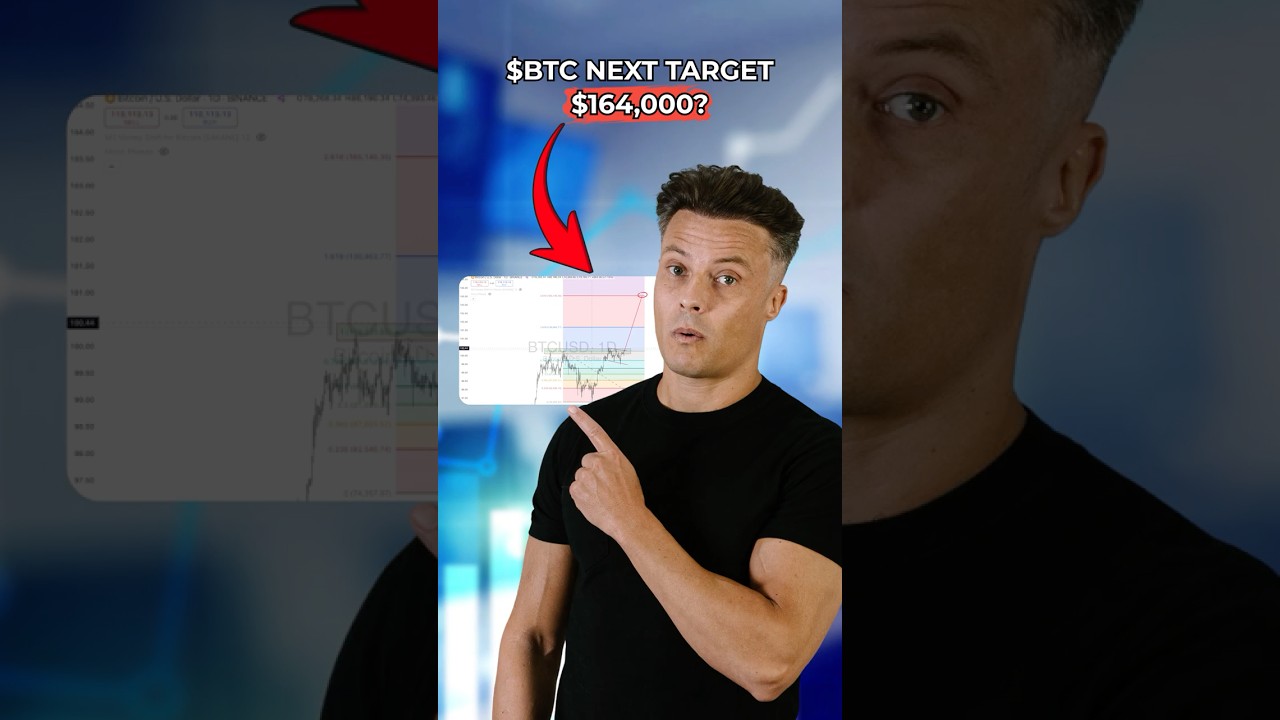
Google’s Gemini has made optimistic forecasts for several leading cryptocurrencies, predicting significant price increases by the end of 2025. Bitcoin recently surged to nearly match its historic peak, signaling bullish market sentiments that could drive altcoins like XRP, Solana, and Cardano to new highs. Key factors include institutional interest, potential ETF approvals, and favorable regulatory developments.
Who does this affect?
This affects a wide range of individuals and entities, including cryptocurrency investors, traders, and institutions with vested interests in digital assets. It also impacts developers and companies operating within the blockchain space, as well as governments and financial regulators looking at crypto integration. Enthusiasts of specific projects such as XRP, Solana, and Cardano may experience heightened engagement and investment opportunities.
Why does this matter?
The predictions hold significant market impact as they can influence investor psychology and drive capital flows into the cryptocurrency sector. Positive anticipation could lead to a sustained bull market, affecting overall market capitalization and potentially accelerating adoption and innovation within the industry. Additionally, regulatory clarity and the potential for new financial instruments like ETFs could provide stability and encourage broader participation from institutional investors.
A new staking ETF for Solana (SOL) was launched in the U.S., generating $33 million in trading volume on its first day. This launch marks one of the top 10 ETF introductions of 2025, highlighting significant interest in Solana’s staking capabilities. DeFi Development Corp announced a $112.5 million convertible note to accumulate SOL, reflecting growing institutional interest.
Who does this affect?
This development primarily impacts institutional investors and market analysts interested in cryptocurrency and blockchain technologies. The introduction of the Solana staking ETF provides new investment opportunities for those seeking exposure to crypto assets with yield generation through staking. Existing and potential SOL investors may see this as a signal of increasing institutional adoption and validation.
Why does this matter?
The launch of the Solana staking ETF could significantly influence the crypto market by attracting institutional investments and driving demand for SOL. As more asset managers file for similar crypto ETFs, the market could see increased liquidity and volatility. Such developments might impact SOL’s price movements, potentially leading to price increases if demand continues to grow and regulatory approvals are granted.
The price of XRP has fallen by 2.5% in the last 24 hours, dropping to $2.23 as the overall cryptocurrency market experienced a 4.5% decline. Despite the recent decrease, XRP is up by 6% over the past week following AMINA Bank’s announcement that it will offer custody and trading services for Ripple’s RLUSD stablecoin. Over the past year, XRP has seen an impressive 400% increase, positioning it as one of the top-performing coins in the crypto market.
Who does this affect?
This news mainly affects investors and traders holding XRP, as well as financial institutions like AMINA Bank that are integrating Ripple’s RLUSD stablecoin into their services. It also impacts potential investors who are considering entering the market or adjusting their current portfolios. Additionally, individuals and institutions interested in the regulatory developments and adoption of stablecoins like RLUSD will find this information relevant.
Why does this matter?
The recent market movements and announcements surrounding XRP could have significant implications for its future price and adoption. With news of potential XRP ETFs and expanded banking partnerships, investor interest and institutional adoption may drive further growth. However, short-term price volatility demonstrates the impact of broader market conditions, such as geopolitical tensions affecting the crypto market as a whole, making it crucial for investors to stay informed on these factors.
A subsidiary of the Amber Group secured $25.5 million in funding from prominent investors like Pantera Capital to expand its crypto reserves, including significant investments in Solana (SOL). This boost in capital aims to build a $100 million crypto stockpile, emphasizing institutional interest in digital assets. The timing aligns with the launch of the first Solana ETF in the United States, which could accelerate broader adoption of cryptocurrencies.
Who does this affect?
This development significantly impacts institutional and retail investors interested in digital assets, particularly those invested in or considering investment in Solana and other cryptocurrencies included in Amber’s expanded reserves. It’s also relevant for companies and entities exploring blockchain technology and cryptocurrency as part of their financial strategy. Furthermore, individual crypto traders and enthusiasts monitoring market shifts tied to institutional investments will find this news influential.
Why does this matter?
The investment move by Amber Group is a strong market signal of increasing institutional adoption of cryptocurrencies, potentially driving bullish sentiment for Solana and similar assets. As institutions accumulate more digital assets, it can lead to price appreciation and increased market stability for these cryptocurrencies. Moreover, the establishment of a strategic fund focused on crypto ventures may encourage further innovations and investments within the space, enhancing overall market growth and legitimacy.
The cryptocurrency market is experiencing signs of a major shift as Bitcoin aims to surpass its current all-time high. Alongside Bitcoin, several altcoins such as TRON, Sui Network, Solana, and meme coins have seen significant price increases. This movement indicates the potential for a broader altcoin breakout and renewed investor interest in the crypto space.
Who does this affect?
This development impacts a range of stakeholders including cryptocurrency investors, traders, and institutions interested in blockchain technology. Specific tokens like Ripple’s XRP, Shiba Inu, and Pepe, are particularly noteworthy as they show significant price movement and investor interest. Additionally, the emergence of new entrants like Snorter could attract investors seeking high returns from emerging projects.
Why does this matter?
These shifts in the cryptocurrency market could signal a bullish trend, influencing the financial decisions of investors and impacting the overall market dynamics. Altcoins reaching new price levels could lead to a reallocation of investments, potentially driving further growth and innovation within the sector. The resolution of regulatory uncertainties, such as XRP’s case with the SEC, also establishes important precedents for crypto’s future regulatory landscape.
Rostec, a major state-owned defense conglomerate in Russia, announced plans to launch a new stablecoin called RUBx on the TRON blockchain. This stablecoin will be pegged 1:1 to the Russian ruble and will work with a new platform called RT-Pay for cryptocurrency transactions. This move is intended to bypass traditional banking systems and could provide a way for Russia to conduct financial transactions despite international sanctions.
Who does this affect?
The introduction of the RUBx stablecoin primarily affects Russian commercial entities and retail users, as it offers them a new method of secure payments in compliance with Russian regulatory requirements. International partners of Russian companies might also be impacted as they might start using these methods for trades, particularly in sectors like agriculture and energy. Furthermore, countries imposing sanctions on Russia may see their efforts complicated by these developments as Russia finds alternative ways to conduct its financial operations.
Why does this matter?
This development could significantly impact the global market by offering Russia an alternative to the SWIFT banking system, which it has been partially cut off from due to sanctions. If successful, RUBx and RT-Pay could undermine the efficacy of Western sanctions and allow Russia to continue international trade, especially with countries that are considered friendly. The use of a blockchain-based system also signals a potential shift in how state-backed currencies might be digitized and used globally, challenging dollar dominance in international commerce.
💎 Join My Inner Circle for Exclusive Insights and Community Hivemind💎
✅ Sign-up for only $19.99 / month
👉 https://whop.com/the-house-of-crypto/ 👈
🌔 Join The Moon House for Experts’ Alpha 🌖
✅ Maximize your learning with weekly live calls and portfolio Q&A sessions.
👏 https://whop.com/the-moon-house/ 👏
💰No KYC | 400+ altcoin pairs | Fastest new coin listing 💛 WEEX Exchange💰
✅ Deposit, trade and get up to 5000 USDT rewards!
👁️ Referral code: 2dfo
👏 https://shorturl.at/SOsy4 👏
💰NO KYC & NO VPN +5500USDT Rewards 💚 Bitunix Exchange💰
✅ Trade anywhere in the world with a discount on your trading fee
👁️ Referral code: rdhq
👏 https://shorturl.at/2XJrk 👏
💰NO KYC | Fast Execution | +5,000USDT Rewards 🧡 BloFin Exchange💰
✅ 20% Deposit Bonus up to $500 | Exclusive $5–$10 SUI Airdrop 🎁
👁Referral code: HouseOfCrypto
👏 https://tinyurl.com/bdhp7c3m 👏
💰Low Trading fees, 20,000 USDT BONUS link 💙 MEXC (No KYC)💰
✅ Visit MEXC below for exclusive House Of Crypto Signup Bonuses
👁️ Referral code: mexc-12QQEf
👉 https://tinyurl.com/3f3f5fbn 👈
💰60,000 USDT in Rewards for Each Trader 🖤 OKX Exchange💰
✅ Access top crypto markets with the best liquidity available.
👁️ Referral code: houseofcrypto
👏 https://shorturl.at/TlN5I 👏
$$$$$$$$$$$$$$$$$$$$$$$$$$$$$$$$$$$$$$$$$$$$$
🔒Secure and easy to use, trusted by millions worldwide.🔒
✅ Get Your Ledger Crypto Wallet with an Exclusive Discount!
***This is important, as crypto hacks occur frequently.***
👏 https://shorturl.at/Nt2WZ 👏
🔑 Secure Your Trading with a VPN 🔑
✅ Get 4 Months Free With Nord VPN!
👏 https://nordvpn.com/houseofcrypto 👏
🔒Protect Your Asset with a Hardware Wallet🔒
✅ Visit D’cent Below For A HUGE Exclusive Discount!
👏 https://tinyurl.com/2z5y9pxd 👏
$$$$$$$$$$$$$$$$$$$$$$$$$$$$$$$$$$$$$$$$$$$$$
🎭 Want To Chat With Other Crypto Enthusiasts? 🎭
✅ Join The FREE Telegram
👉 https://t.me/+4RGUNX-VMw04NTY1 👈
📬 Subscribe to our weekly goodies: https://www.thehouseofcrypto.io/subscribe 📬
Gear up for the moon! 🚀 Shop exclusive merch at wenlambo.shop
🎭 Follow us here to stay updated every day:
👉 Website: https://www.thehouseofcrypto.io/
👏 X.com: https://x.com/Peter_thoc
🙌 LinkedIn: https://www.linkedin.com/company/thehouseofcrypto/
💪 Instagram: https://www.instagram.com/the.houseofcrypto/
👉Telegram: https://t.me/+4RGUNX-VMw04NTY1
***************************************************************************
*DISCLAIMER*
DO NOT take this video as financial advice! I am not a financial advisor and this video was only made for entertainment purposes. I am not liable for any losses you may incur so always do your own research before making any investments/financial decision.
This information is what was found publicly on the internet. This information could’ve been doctored or misrepresented by the internet. All information is meant for public awareness and is in the public domain.
Institutional investments have influenced the behavior of the crypto market, making it more responsive to macroeconomic indicators like inflation and interest rates. For instance, Bitcoin and Ethereum now react similarly to how traditional assets respond to economic news such as the Consumer Price Index (CPI) and Federal Reserve interest rate changes. This evolution in trading dynamics suggests that economic data releases are increasingly essential for understanding and predicting crypto price movements.
Who does this affect?
This shift primarily affects traders and investors in the cryptocurrency market, who must now consider broader economic trends and data when making decisions. It also impacts financial institutions and retail investors who are now observing crypto assets behaving more like traditional financial instruments. Additionally, analysts and strategists need to integrate macroeconomic data with crypto-specific metrics to offer comprehensive market insights.
Why does this matter?
The market impact is significant as the alignment with macroeconomic indicators means the crypto market is becoming more integrated with the global financial system. This relationship indicates that crypto markets may experience similar volatility and trends as traditional markets in response to economic events. Understanding these connections allows traders to better anticipate price movements, manage risks, and make informed investment decisions within the dynamic crypto landscape.
This week, Bitcoin Cash (BCH) experienced a 7.8% decline as its price dropped below $485, even as futures open interest spiked by 24%. The altcoin had previously seen a 20% rally in June, but this increase now appears unstable due to speculative trading and a significant drop in network activity. Technical indicators like the RSI are signaling a bearish divergence, suggesting that BCH needs to maintain support at $400 to avoid losing its recent gains.
Who Does This Affect?
The situation primarily impacts traders and investors involved with Bitcoin Cash, particularly those engaged in futures trading, as they face potential losses if the price continues to fall. It also affects developers and businesses relying on BCH for transactions, as the low network activity indicates poor adoption. The declining value may also concern other market participants who view BCH as an indicator of broader cryptocurrency trends.
Why Does This Matter?
The current state of Bitcoin Cash serves as a cautionary tale about the dangers of speculative trading without underlying fundamental support. The disconnect between high futures interest and low network activity raises concerns about the sustainability of its market position. As BCH struggles to maintain its price levels, this could lead to increased volatility in the cryptocurrency market, affecting investor confidence and potentially influencing the valuation of other digital assets.
PEPE’s price dropped 16.5% to $0.0000089 as large investors, known as whales, bought an additional 303 trillion tokens, suggesting a potential price rebound. Despite the fall in price, whale activity indicates confidence in PEPE’s future prospects, with significant holdings moving from exchanges to private wallets. This accumulation by big players often precedes major market movements, setting up for possible gains if the market stabilizes.
Who does this affect?
The primary groups affected are PEPE token holders and traders, particularly those sensitive to market fluctuations and investor sentiment. Whale activity hints at stability or future growth, impacting retail investors who might follow suit. Additionally, broader cryptocurrency enthusiasts and market observers are impacted by these dynamics, especially amidst ongoing economic pressures like tariffs that could influence overall market conditions.
Why does this matter?
This development matters because it reflects how whale activities can signal potential market turns, affecting trading strategies and investor confidence. The movement of PEPE into private wallets suggests reduced short-term selling pressure, possibly stabilizing or boosting its market value. As global economic factors, such as new tariffs, add uncertainty to financial markets, understanding these crypto-specific indicators can help anticipate shifts in the digital asset landscape.