DeFi Development Corp decided to retract its $1 billion registration filing with the U.S. Securities and Exchange Commission (SEC) due to ineligibility to use the streamlined S-3 form. The SEC identified the company’s recent Form 10-K lacked a management report on internal controls over financial reporting. Consequently, this led to the withdrawal of the registration intended to raise funds for purchasing Solana tokens.
Who does this affect?
The withdrawal of the filing primarily impacts DeFi Development Corp and its shareholders, who anticipated the capital for further investments. Investors interested in the company’s plans to grow its Solana treasury may also feel the effects, as the strategy is temporarily on hold. Furthermore, the move holds implications for the broader crypto investing community monitoring regulatory compliance issues in DeFi projects.
Why does this matter?
This development shows the SEC’s vigilance in enforcing compliance on financial reporting, impacting DeFi companies looking to raise funds through public markets. It may lead to increased scrutiny and regulatory hurdles for other blockchain firms aiming to follow similar paths. Market reaction could include hesitancy from investors toward companies facing potential regulatory compliance challenges, influencing investment decisions in the crypto sector.
Ethereum exchange-traded funds (ETFs) have experienced a significant surge in popularity, recording $240.29 million in daily net inflows, surpassing Bitcoin ETFs. This trend marks 18 consecutive days of positive inflows into spot ETH ETFs and represents the highest single-day inflow for Ethereum in four months. The surge coincides with Ethereum’s price climbing above $2,800, its highest since February.
Who does this affect?
This development primarily affects investors in the cryptocurrency market, particularly those focusing on Ethereum and Bitcoin. It also impacts institutional investors and large asset managers like BlackRock, whose iShares Ethereum Trust (ETHA) has been a major contributor to these inflows. Furthermore, Ethereum holders and stakers, who see long-term growth potential, are directly affected as their asset values increase.
Why does this matter?
The booming interest in Ethereum ETFs indicates a shift in market sentiment where investors view ETH as undervalued compared to Bitcoin and other altcoins. This trend highlights a growing confidence in Ethereum’s network upgrades addressing scalability and cost-efficiency challenges. As a result, the market impact could lead to significant price appreciation, with potential targets set for Ethereum to reach $3,000 and beyond, providing lucrative opportunities for both retail and institutional investors.
Binance has resumed offering a wide range of crypto services to Syrians after the easing of US sanctions. This change follows the issuing of General License 25 by the US Office of Foreign Assets Control, which suspends sanctions against Syria. This means Syrians now have full access to Binance’s products and services that were previously unavailable due to restrictions.
Who does this affect?
This development primarily affects Syrian residents who have been unable to participate in the global crypto economy due to sanctions. With access to Binance, they can now engage in crypto trading, staking, interest products, and other financial activities. This move also impacts the broader Syrian economy, potentially providing alternative financial solutions amid ongoing economic instability.
Why does this matter?
The resumption of Binance’s services in Syria could provide a significant boost to the local economy, offering new opportunities for investment and financial growth. Access to crypto can help mitigate the impact of the devalued Syrian pound and high inflation rates by enabling participation in a more stable financial ecosystem. Additionally, this development could increase market activity and demand for crypto assets, both locally and globally.
A significant amount of XRP, over $151 million, was withdrawn from Binance on June 11. This is one of the largest single-day outflows of XRP recently recorded. Despite this massive withdrawal, the price of XRP remained stable around $2.31, suggesting a strategic move by large investors or “whales.”
Who does this affect?
This event primarily affects XRP investors, traders, and market analysts who track cryptocurrency flows for investment decisions. Institutions like VivoPower, which has invested heavily in XRP, may also be influenced by such large market movements. Additionally, anyone following the developments of the XRP Ledger and its integration with blockchain technologies like Ethereum might find this activity significant.
Why does this matter?
Such large-scale withdrawals could indicate a silent accumulation phase, which might lead to future price movements, impacting market dynamics. The stable price despite the outflow suggests confidence among seasoned investors, potentially signaling bullish sentiment. Furthermore, institutional interest in XRP, evidenced by partnerships and treasury holdings, suggests growing mainstream acceptance and could drive greater market adoption.
Ant Group, backed by Jack Ma, is expanding its global reach by applying for stablecoin licenses in major Asian financial centers. The company plans to file for permits in Hong Kong once the city’s new stablecoin regulations take effect in August. Additionally, Ant is looking at obtaining licenses in Singapore and Luxembourg to strengthen its digital currency offerings.
Who does this affect?
This move affects Ant Group’s current and potential international clients, especially those involved in cross-border transactions. It is particularly relevant for e-commerce businesses and enterprises that require efficient and cost-effective global payment solutions. Moreover, this expansion will impact other financial participants and competitors in the digital currency market seeking licenses.
Why does this matter?
This development is significant as it marks Ant Group’s strategic pivot from consumer finance to enterprise technology, bolstering its competitiveness in the global digital payment landscape. The decision to pursue stablecoin licenses reflects growing confidence in regulatory frameworks like Hong Kong’s upcoming rules, which are attracting international interest. By securing these licenses, Ant could enhance its ability to offer innovative solutions and improve market positioning amid rapidly evolving financial technologies.
GameStop has announced a proposed $1.75 billion bond offering, signaling a potential new purchase of Bitcoin. The company will issue convertible senior notes with 0% interest, maturing in June 2032, to qualified institutional buyers. This move aligns with their strategy to integrate Bitcoin as part of their treasury reserve.
Who does this affect?
This affects GameStop shareholders, potential investors, and the broader cryptocurrency market. Specifically, qualified institutional investors are eligible to participate in the bond offering. Additionally, GameStop’s strategy may influence other companies considering Bitcoin investments.
Why does this matter?
The proposed bond offering could significantly impact GameStop’s market position and financial strategy. However, the announcement led to an 11% drop in GameStop’s shares, highlighting market skepticism or concern over its approach. This development also reflects the increasing trend of companies allocating resources to cryptocurrencies, which could have broader implications for financial markets.
The Australian Securities and Investments Commission (ASIC) has banned a former financial adviser, Glenda Maree Rogan, from offering financial services for ten years. Rogan was found to have misled investors by diverting over A$14.8 million into a fraudulent cryptocurrency scheme disguised as a fixed-income investment. The decision, effective June 6, indicates that Rogan engaged in deceptive conduct over the course of a year, siphoning funds into a flagged UK crypto platform.
Who does this affect?
This ban directly affects Rogan, who can no longer work in financial services or hold any management roles in the industry until 2035. It also impacts her previous clients, friends, and family members who were victims of her fraudulent scheme, losing significant sums of money. More broadly, the case serves as a warning to other financial advisers and investors about the importance of due diligence when dealing with cryptocurrency investments.
Why does this matter?
This matter highlights the growing risks associated with the expanding adoption of cryptocurrency in Australia. Despite the potential of digital assets, the sector remains vulnerable to scams, having cost Australians at least A$180 million in just one year. The crackdown by ASIC aims to protect investors by reinforcing that fraudulent practices exploiting emerging technologies will face severe consequences, potentially leading to increased market confidence but also stricter regulatory scrutiny.
⚠️ DISCLAIMER – READ FIRST
This video is not financial advice. It is for educational and entertainment purposes only. I may earn a commission through some of the links below — at no extra cost to you.
Crypto-assets are highly volatile and involve significant risk. These offers are intended for experienced users only and may not be available in your region. Always verify local laws before registering or trading on any platform.
💰 BONUS OFFERS (AFFILIATE LINKS)
🔹 BTCC – Up to $10,000 Bonus
👉 https://www.btcc.com/market-promotion/bonus2/kol?name=ConorKenny
🔥 This is the best crypto deposit bonus I’ve personally seen — and it’s available right now.
🔹 Bitunix – Up to $8,000 Bonus (Email-Only Sign-Up)
👉 https://www.bitunix.com/register?vipCode=thqr
💸 Create an account with just an email — simple, quick, and no KYC required upfront in many regions.
1. Corporate Entity & Content Purpose
This channel is operated by a registered business entity. All content is intended solely for informational and entertainment purposes and reflects the opinion of the channel as an entity.
2. No Financial, Legal, or Tax Advice
I am not a licensed financial advisor. Nothing in this content should be construed as financial, investment, legal, or tax advice. Viewers should consult qualified professionals before making investment decisions.
3. Sponsorships & Affiliate Relationships
This video may contain sponsored content and/or affiliate links. I may earn a commission if you use these links, at no additional cost to you. I only promote platforms I personally use or believe in — but you are responsible for conducting your own due diligence.
4. Geographic Restrictions
This content is not intended for residents of the United Arab Emirates, United Kingdom, United States, or any other jurisdiction where the promotion of virtual assets is restricted or prohibited.
If you are located in such a region, do not engage with or act on this content.
5. Crypto Risk Warning
Crypto-assets are speculative and involve substantial risk, including:
• Loss of capital
• Extreme volatility
• Limited liquidity
• Irreversible transactions
• Potential for fraud, theft, or manipulation
No form of investor protection or legal recourse is guaranteed. Engage at your own risk.
6. No Outcome Guarantees
I make no representations regarding the accuracy, timeliness, or results of any strategies or opinions shared. No profits or outcomes are guaranteed. You bear full responsibility for any decisions made.
7. Content Updates
Information may become outdated. I reserve the right to change, update, or remove content without notice.
8. MiCA & EU Compliance Notice
In accordance with the EU Markets in Crypto-Assets Regulation (MiCA):
• This content does not constitute financial promotion or investment advice under MiCA.
• Crypto-assets discussed may not be suitable for all investors and are not protected by any EU deposit guarantee or investor compensation scheme.
• All statements made are intended to be fair, clear, and not misleading.
• If you reside in the EU, ensure your engagement with this content complies with local laws and regulations.
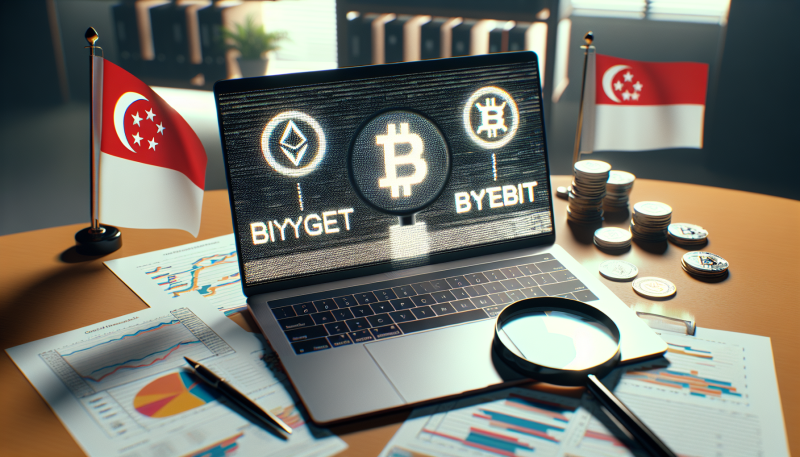
Two major crypto exchanges, Bitget and Bybit, are planning to scale back their operations in Singapore after a final warning from the Monetary Authority of Singapore (MAS). The MAS has issued a directive requiring all unlicensed digital token service providers to cease their overseas operations by June 30. This move affects exchanges that have been operating without a full license in Singapore, including those waiting for approval.
Who does this affect?
The affected parties include crypto exchanges like Bitget and Bybit that have been serving international clients from Singapore. It also impacts their employees and associated partners who may face relocation or job uncertainty. Furthermore, the new regulations could influence retail investors and other stakeholders within Singapore’s crypto ecosystem.
Why does this matter?
This development matters because it could significantly alter the competitive landscape of the crypto market in the region. As firms relocate to more crypto-friendly jurisdictions like Dubai and Hong Kong, Singapore risks losing its status as a major hub for digital assets. The regulatory shift could lead to job losses and a diminished role for Singapore in the global crypto economy, affecting market dynamics in Asia and beyond.
Evertz Pharma GmbH, a German natural cosmetics company, has announced a significant treasury move by acquiring 100 Bitcoin, valued at approximately $10.8 million, for their reserves in May 2025. This acquisition positions Evertz Pharma as the first German company to formally adopt a Bitcoin reserve strategy. The company executives have emphasized a long-term commitment to Bitcoin, aligning their financial strategies with a future-oriented business ethos.
Who does this affect?
The decision of Evertz Pharma to acquire Bitcoin affects the company’s shareholders, employees, and potentially other businesses considering similar investment strategies. It also impacts the broader cryptocurrency market by adding a level of corporate validation and demand for Bitcoin as a strategic reserve asset. Furthermore, this move could influence other companies in Europe and beyond to consider Bitcoin as part of their financial resilience and growth strategies.
Why does this matter?
This development signals a growing corporate confidence in Bitcoin as an inflation hedge and digital gold, potentially increasing its stability and value in the market. By locking a significant amount of Bitcoin into long-term holdings, Evertz Pharma supports Bitcoin’s price base, which can lead to reduced volatility. Additionally, geopolitical developments, such as the trade deal between the U.S. and China, further buoy market sentiment, potentially setting the stage for Bitcoin to achieve new price highs.