Blog

  • Kazakhstan Proposes Creation of “Crypto Bank” to Regulate Digital Assets and Combat Illicit Transactions

    Kazakhstan Proposes Creation of “Crypto Bank” to Regulate Digital Assets and Combat Illicit Transactions

    What happened?

    A Kazakh lawmaker, Azat Peruashev, has proposed the creation of a “crypto bank” to serve as a legal exchange and custody platform for digital assets in Kazakhstan. This initiative is aimed at combatting illicit crypto transactions and ensuring state regulation over the crypto market. The proposal comes amidst concerns about the absence of legal infrastructure for cryptocurrency use in the country.

    Who does this affect?

    This proposal primarily affects Kazakh citizens who are currently engaging in cryptocurrency transactions outside the legal framework. It also impacts financial institutions, including the National Bank of Kazakhstan and other regulated banks, which may be involved in the development and management of the proposed crypto bank. Additionally, the initiative could influence crypto operators, both domestic and international, especially those operating within the Astana International Financial Center.

    Why does this matter?

    The establishment of a crypto bank in Kazakhstan could significantly impact the market by bringing a large volume of previously unregulated crypto transactions into the legal sector. This move could enhance investor protection, reduce illicit financial activities, and potentially attract more institutional investment in the country’s crypto space. Moreover, it positions Kazakhstan to improve its competitiveness in the global fintech industry by embracing digital financial instruments.


  • US Justice Department Seizes $201,400 in Tether Linked to Hamas Funding Activities

    US Justice Department Seizes $201,400 in Tether Linked to Hamas Funding Activities

    What happened?

    The US Justice Department seized $201,400 in Tether (USDT) cryptocurrency linked to Hamas, aiming to disrupt the group’s financial network. These funds were part of over $1.5 million laundered through crypto addresses connected to Hamas since October 2024. The money was directed towards supporting Hamas operations using a system of rotating crypto addresses and exchanges.

    Who does this affect?

    This action impacts individuals and networks involved in funding and facilitating financial transactions for Hamas. It also affects Palestinian nationals whose accounts were involved, allegedly residing in Turkey and elsewhere. Globally, it serves as a warning to those who might attempt similar fundraising activities for terrorist organizations.

    Why does this matter?

    This seizure is significant as it exemplifies efforts to curtail terrorist financing through digital currencies, impacting the cryptocurrency market by increasing scrutiny on virtual transactions. It highlights the growing international crackdown on illicit use of cryptocurrencies, which could influence regulations. The incident may sway public and market perceptions about the security and legality of cryptocurrency transactions.

  • Major Cryptocurrency Market Decline: A $659 Billion Loss and Its Implications for Investors

    Major Cryptocurrency Market Decline: A $659 Billion Loss and Its Implications for Investors

    “`html

    What happened?

    The top five cryptocurrencies by market capitalization lost a massive total of $659 billion between January and March 2025. This downturn notably affected Ethereum and Solana the most, while Bitcoin and Binance Coin demonstrated greater resilience. The ETH/BTC ratio also continued its decline, dropping 72% since September 2022.

    Who does this affect?

    Investors holding significant assets in Ethereum, Solana, and XRP are likely feeling the brunt of these market changes, as these coins have shown weaker performance during the downturn. Those involved with Bitcoin and Binance Coin may feel more secure, as these currencies weathered the storm better. The broader crypto investor community may feel the need to reassess their portfolios in light of these shifts.

    Why does this matter?

    This market shift could signal a long-term change in how cryptocurrencies are valued, emphasizing fundamental strength and network resilience over speculative gains. As deep altcoin dips prompt reevaluations of risk, investors might start preferring assets with stable fundamentals, which could realign market strategies and investment norms. Such changes may decrease overall volatility in the crypto market and encourage a more disciplined approach to portfolio management.

    “`

  • Zebec Network Launches Crypto Debit Card Zebec Carbon in Partnership with Mastercard

    Zebec Network Launches Crypto Debit Card Zebec Carbon in Partnership with Mastercard

    What happened?

    Zebec Network launched a new crypto debit card called Zebec Carbon, in partnership with Mastercard. This card aims to bridge the gap between cryptocurrencies and traditional finance by allowing users to spend digital assets anywhere Mastercard is accepted. The Zebec Carbon card offers features like instant activation, zero fees, and complete privacy for users.

    Who does this affect?

    The launch of the Zebec Carbon card primarily affects cryptocurrency users who wish to use their digital assets for everyday purchases without the hassle of converting them into traditional currencies first. It also impacts merchants and service providers who accept Mastercard, as they can now seamlessly accept payments from crypto holders. Additionally, this development may influence other crypto platforms looking to integrate digital assets into everyday transactions.

    Why does this matter?

    This matters because it signifies another step towards mainstream adoption of cryptocurrencies in daily commerce, potentially increasing the liquidity and usability of digital currencies. As more financial institutions and tech companies embrace crypto payments, we can expect changes in market dynamics and consumer spending patterns. The introduction of Zebec Carbon underscores the growing trend of merging digital finance with conventional payment methods, which could lead to increased competition and innovation in the payment solutions industry.

  • The Integration of Traditional Banking and Digital Payment Systems: A New Era for Cryptocurrency Transactions

    The Integration of Traditional Banking and Digital Payment Systems: A New Era for Cryptocurrency Transactions

    What Happened?

    Traditional banking methods are being integrated with digital payment systems to enhance crypto transactions. The new processes aim to reduce friction and simplify the way cryptocurrency is used for payments. This shift includes enhanced security measures and clearer regulations, which are expected to boost user confidence and adoption.

    Who Does This Affect?

    This change affects both cryptocurrency users and traditional financial institutions. For users, it means more secure and straightforward ways to conduct transactions using cryptocurrencies like Bitcoin and stablecoins. Traditional banks and financial service providers are also impacted, as they work towards incorporating these new methods into their existing systems, potentially expanding their customer base.

    Why Does This Matter?

    The integration of traditional banking and crypto payments can significantly impact the market by making crypto transactions more accessible to a broader audience. As regulations become friendlier and infrastructure support grows, more people are expected to adopt cryptocurrency payments, boosting their use in everyday transactions. This could lead to increased market stability and open financial services to underserved areas, driving growth in emerging markets.

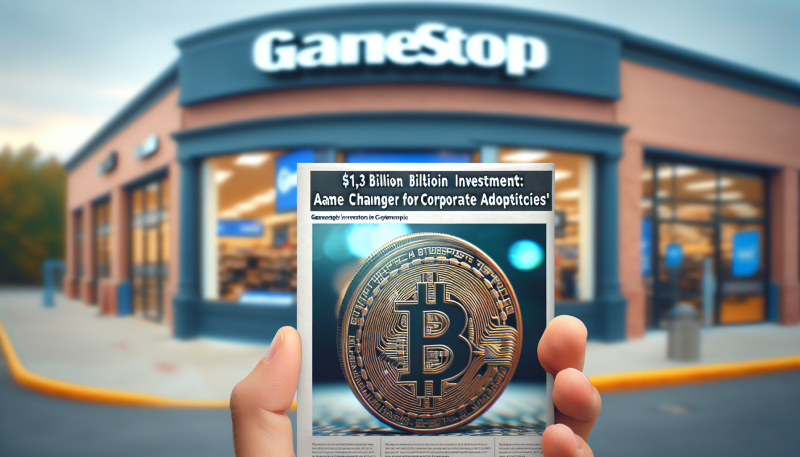
  • GameStop’s $1.3 Billion Investment in Bitcoin: A Game Changer for Corporate Adoption of Cryptocurrencies

    GameStop’s $1.3 Billion Investment in Bitcoin: A Game Changer for Corporate Adoption of Cryptocurrencies

    What happened?

    GameStop announced it would use proceeds from a $1.3 billion convertible notes offering to invest in Bitcoin. The company’s revised investment policy now allows a portion of its corporate treasury to be allocated into Bitcoin and stablecoins. This strategic move mirrors similar actions by firms like MicroStrategy, which have seen stock appreciation following their Bitcoin investments.

    Who does this affect?

    This decision affects GameStop shareholders, cryptocurrency investors, and the broader market audience monitoring corporate adoption of digital assets. GameStop’s new policy could influence other companies considering diversifying their asset holdings with cryptocurrencies. It also impacts the cryptocurrency market, as increased institutional interest can further legitimize and stabilize the market.

    Why does this matter?

    GameStop’s move to invest in Bitcoin signifies growing corporate confidence in cryptocurrencies as a legitimate treasury reserve asset. This could lead to increased demand and influence Bitcoin’s market price, encouraging other companies to explore similar strategies. As more corporations join the trend, Bitcoin’s market position is strengthened, potentially impacting both the stock and crypto markets positively.

  • Gumi Launches $106,000 Bitcoin Lottery for Shareholders to Boost Engagement and Attract Investors

    Gumi Launches $106,000 Bitcoin Lottery for Shareholders to Boost Engagement and Attract Investors

    What happened?

    Japanese game developer Gumi has announced a $106,000 Bitcoin lottery event for its shareholders. The lottery is part of a shareholder benefits program and is in collaboration with the crypto exchange SBI VC Trade. Eligible participants must hold 500 or more shares in the company by the end of April 2025 to enter the draw.

    Who does this affect?

    The lottery event primarily affects Gumi shareholders who have invested in the company on the Tokyo Stock Exchange. Only those with at least 500 shares by the specified date will be eligible to participate. Additionally, these shareholders must register their interest and have an account with SBI VC Trade to be part of the lottery.

    Why does this matter?

    Gumi’s Bitcoin lottery reflects a growing trend among Japanese companies incorporating cryptocurrency into their business strategies. This move can increase shareholder engagement and attract investors interested in both gaming and cryptocurrency sectors. By leveraging Bitcoin incentives, Gumi is positioning itself at the forefront of innovation in the gaming industry and potentially influencing market dynamics as other firms may follow suit.

  • Implications of Upcoming PCE Inflation Data on the Economy and Markets

    Implications of Upcoming PCE Inflation Data on the Economy and Markets

    What Happened?

    The latest Personal Consumption Expenditures (PCE) inflation data from the U.S. is set to be released, attracting attention due to its influence on economic indicators and interest rate decisions by the Federal Reserve. January’s PCE showed a 2.5% year-on-year rise, slightly above the Fed’s target, with February’s data expected to remain unchanged. The persistence of this inflation level suggests that interest rates may stay elevated for some time.

    Who Does This Affect?

    The PCE data affects consumers, retailers, and policymakers by providing insights into price changes for goods and services. Tariffs impacting trade with China, along with potential future tariffs on imports from Mexico, Canada, and others, could increase consumer prices and impact inflation measurements. These economic shifts influence Federal Reserve decisions, affecting borrowing costs for businesses and individuals.

    Why Does This Matter?

    The market impact is significant, as sustained inflation levels can influence stock market performance and cryptocurrency values like Bitcoin. Interest rate decisions will affect economic growth projections and investor sentiment, with potential impacts on Wall Street and crypto markets. Bitcoin’s performance, closely linked to traditional markets, may struggle with volatility tied to geopolitical and economic uncertainties, particularly with unexpected policy decisions from the Trump administration.

  • Ripple Partners with Chipper Cash to Revolutionize Cross-Border Payments in Africa

    Ripple Partners with Chipper Cash to Revolutionize Cross-Border Payments in Africa

    What happened?

    Ripple has partnered with Chipper Cash, an African payments company, to streamline cross-border payments into Africa using blockchain technology. This collaboration aims to enhance transaction speed, reduce costs, and increase efficiency in money transfers. Ripple and Chipper Cash are harnessing crypto-enabled payments to support financial solutions that are community-centric and digitally driven.

    Who does this affect?

    This partnership affects individuals and businesses across Africa by providing them with faster and more affordable access to international funds. It influences the five million customers of Chipper Cash in nine African countries who rely on remittances. The collaboration also extends to broader financial institutions that may benefit from enhanced digital asset infrastructure for efficient cross-border transactions.

    Why does this matter?

    The partnership is significant because it challenges traditional remittance services and could lead to regulatory modernization in the financial market. By lowering transaction costs and increasing financial accessibility, it promotes inclusive economic growth and innovation. This development highlights the transformative potential of blockchain technology in global payments and signals increased competition in the remittance industry.

  • Solaxy Achieves $28 Million Presale and Introduces Major Upgrades to Enhance Solana’s Performance

    Solaxy Achieves $28 Million Presale and Introduces Major Upgrades to Enhance Solana’s Performance

    “`html

    What happened?

    Solaxy, a Layer-2 blockchain solution for Solana, has achieved over $28 million in its presale. Alongside this milestone, Solaxy introduced developer upgrades to enhance transaction speeds and scalability, including a new sequencer from the Sovereign SDK. The updates aim to alleviate network congestion and improve user experience on Solana.

    Who does this affect?

    The enhancements affect developers and users within the Solana ecosystem, particularly those engaged in decentralized finance (DeFi) and gaming. Investors interested in participating in the presale stand to benefit from potential gains associated with the $SOLX token, which offers a 145% annual percentage yield (APY) through staking. Additionally, these developments could appeal to traders seeking faster transaction times and more efficient blockchain interactions.

    Why does this matter?

    This matters because Solaxy’s upgrades may significantly enhance Solana’s ability to handle higher transaction volumes without degrading performance. By addressing potential congestion issues, Solaxy could strengthen Solana’s position in the competitive DeFi and Web3 gaming sectors. The improvements promise to boost Solana’s attractiveness to developers and users, potentially driving up the value and adoption of Solana and its associated tokens.

    “`