
Blog

  • Fidelity Investments Set to Launch U.S. Dollar-Pegged Stablecoin Amid Favorable Regulatory Climate

    Fidelity Investments Set to Launch U.S. Dollar-Pegged Stablecoin Amid Favorable Regulatory Climate

    What Happened?

    Fidelity Investments is on the verge of launching a new stablecoin pegged to the U.S. dollar, which represents a big move in its digital asset strategy. This comes as the U.S. regulatory environment seems increasingly favorable towards cryptocurrencies under the Trump administration. Additionally, Fidelity is planning to introduce an Ethereum-based OnChain share class for its money market fund, pending SEC approval.

    Who Does This Affect?

    This development primarily impacts investors and institutions interested in digital assets and those involved in U.S. financial markets. Fidelity’s move could appeal to investors looking for regulation-compliant crypto assets as well as traditional finance institutions integrating blockchain technology. It also affects regulators who are under pressure to create frameworks that accommodate these new financial products.

    Why Does This Matter?

    The launch of Fidelity’s stablecoin is significant as it signals growing institutional adoption of digital currencies, potentially leading to increased market stability and liquidity. It reflects a broader trend towards blockchain integration in traditional finance, which could reshape how financial products are developed and traded. Successful regulatory approval might pave the way for similar innovations, encouraging confidence and investment in the digital asset ecosystem.

  • Institutional Interest Grows as Major Firms Seek Approval for Solana ETFs

    Institutional Interest Grows as Major Firms Seek Approval for Solana ETFs

    “`html

    What happened?

    Bitcoin is trading at $87,660, showing a modest gain as positive news regarding institutional engagement in the cryptocurrency market emerges. The Cboe BZX Exchange has requested approval from the SEC to list Fidelity’s proposed Solana ETF, following a similar move for Franklin Templeton’s SOL fund. This is part of a broader trend where major asset managers are filing for spot Solana ETF approvals, reflecting increased institutional interest.

    Who does this affect?

    This development affects institutional investors, asset management firms, and cryptocurrency market participants interested in Solana and Bitcoin. Companies like Fidelity, Franklin Templeton, Bitwise, VanEck, and Grayscale are directly impacted as they seek regulatory approval for their ETF offerings. Additionally, broader acceptance of crypto ETFs could influence other corporations and individual investors looking to allocate funds into digital assets.

    Why does this matter?

    The moves by major financial institutions towards ETF filings could significantly impact the cryptocurrency market by increasing legitimacy and potentially driving up demand. Approval of these ETFs may lead to greater institutional investment, potentially boosting the price and adoption of cryptocurrencies like Solana and Bitcoin. As the likelihood of approval rises, market confidence may be bolstered, leading to more widespread adoption and price appreciation across the crypto landscape.

    “`

  • Custodia and Vantage Banks Launch Avit: The First U.S. Bank-Issued Stablecoin on Ethereum Blockchain

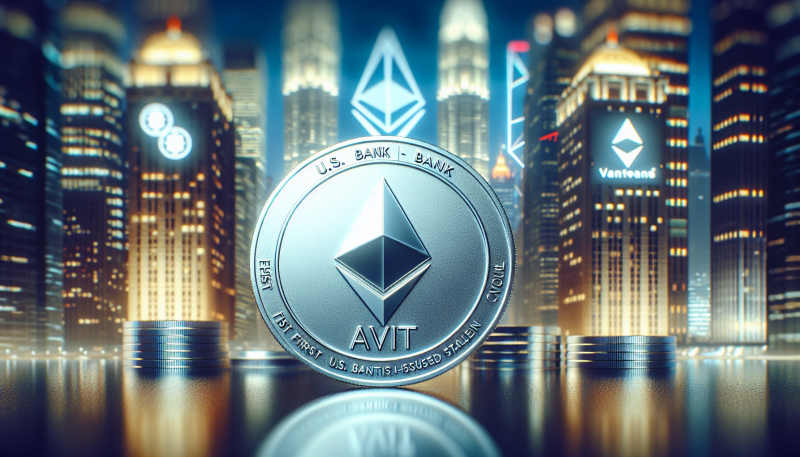
    Custodia and Vantage Banks Launch Avit: The First U.S. Bank-Issued Stablecoin on Ethereum Blockchain

    What happened?

    Custodia Bank and Vantage Bank have introduced Avit, the first U.S. bank-issued stablecoin on a public blockchain. This stablecoin is deployed on the Ethereum blockchain and uses the ERC-20 token standard to tokenize U.S. dollar demand deposits. This marks a significant development in the U.S. financial system as it showcases that federally regulated banks can issue tokenized deposits compliantly on permissionless blockchain networks.

    Who does this affect?

    This development primarily affects customers of Custodia and Vantage Banks who can now use Avit as a stablecoin for transactions. It also impacts the wider banking sector by setting a precedent for other banks to explore blockchain-based stablecoins. Moreover, users of the Ethereum blockchain and participants in the digital assets market are affected as they now have access to a new stablecoin backed by traditional banking institutions.

    Why does this matter?

    This launch signifies a pivotal shift in the payments sector, indicating the growing acceptance and integration of blockchain technology within the traditional banking system. The issuance of stablecoins like Avit could enhance liquidity in the digital markets, offering more stability and accessibility. It could also propel further interest from institutional investors in blockchain technologies, potentially leading to increased market activity and innovation in digital finance.

  • North Carolina Legislators Propose Bills to Allow Pension Funds to Invest in Cryptocurrency and Bitcoin

    North Carolina Legislators Propose Bills to Allow Pension Funds to Invest in Cryptocurrency and Bitcoin

    What happened?

    North Carolina legislators have introduced two bills, House Bill 506 and Senate Bill 709, aiming to allow state retirement funds to invest in digital assets like cryptocurrency. These bills propose the creation of a North Carolina Investment Authority to manage such investments, permitting up to 5% of pension funds to be allocated into digital assets. Additionally, another bill, Senate Bill 327, specifically targets Bitcoin investment, allowing up to 10% of public funds to be invested in Bitcoin under strict conditions.

    Who does this affect?

    The proposed bills will primarily affect state employees and retirees whose pension funds may be partially invested in digital assets if the legislation is approved. It also impacts financial advisors, fund managers, and digital asset custodians involved in managing and securing these potential investments. Furthermore, North Carolina taxpayers may feel the effects of changes in public fund management strategies and outcomes.

    Why does this matter?

    If passed, these bills could significantly influence the digital asset market by potentially increasing institutional investment and demand for cryptocurrencies. This legislative move reflects a broader trend of U.S. states considering or enacting similar crypto-friendly policies, signaling growing acceptance of digital assets. As more government bodies engage with cryptocurrencies, it could lead to increased market stability and mainstream adoption of digital assets.

  • FCA Warns Young Investors About Risks of Cryptocurrency Investments

    FCA Warns Young Investors About Risks of Cryptocurrency Investments

    What happened?

    The UK’s Financial Conduct Authority (FCA) has issued a warning about the increasing number of young people under 35 investing in cryptocurrencies. According to Nikhil Rathi, the FCA’s chief executive, these crypto investments are considered “very highly risky,” potentially leading to total financial loss. As part of its five-year strategy, the FCA is encouraging more investment in traditional equities and bonds to promote safer financial growth.

    Who does this affect?

    This situation primarily affects young investors in the UK, particularly those under 35 who are currently investing in cryptocurrencies. It also impacts UK citizens at large, as the FCA highlights a low tendency among them to own shares compared to other countries like the US or Sweden. Additionally, it involves any companies working within the UK’s financial market that need to align with regulatory requirements around crypto investments.

    Why does this matter?

    This matters because the caution issued by the FCA could influence the overall market dynamics, signaling potential shifts away from crypto towards more regulated financial products like shares and bonds. Such regulatory actions may affect the growth of crypto adoption in the UK and impact investors’ decisions on risk versus return. Furthermore, it emphasizes the ongoing need for regulatory frameworks to accommodate new technologies while safeguarding consumer interests.

  • Crypto Influencer BitBoy Arrested in Florida, Raising Concerns in the Cryptocurrency Community

    Crypto Influencer BitBoy Arrested in Florida, Raising Concerns in the Cryptocurrency Community

    What happened?

    Crypto influencer Ben Armstrong, also known as BitBoy, was arrested in Florida after revealing that an arrest warrant was issued for him. Armstrong was listed as a fugitive from justice by Florida’s Volusia County Division of Corrections. His arrest followed social media posts claiming issues with a Georgia Superior Court judge, whom he accused of deleting her social media account because of him.

    Who does this affect?

    This situation primarily affects Ben Armstrong and his followers within the cryptocurrency community who look up to him as an influencer. It also impacts the legal authorities involved, including the Georgia Superior Court judge and law enforcement agencies handling his case. Additionally, the individuals or parties involved in his past interactions and legal disputes may be impacted by the developments.

    Why does this matter?

    The arrest of a high-profile crypto influencer like BitBoy could have significant implications on the cryptocurrency market and its sentiment. Influencers play a notable role in shaping public perception and influencing market movements through their endorsements and opinions. The incident might raise concerns about the credibility and legitimacy of advice coming from such figures, potentially affecting investor confidence in the crypto space.

  • Paul Atkins’ Crypto Investments Spark Controversy Ahead of SEC Chair Role

    Paul Atkins’ Crypto Investments Spark Controversy Ahead of SEC Chair Role

    What happened?

    Paul Atkins, nominated by Donald Trump to lead the SEC, revealed up to $6 million in crypto investments in his ethics filing. His holdings include stakes in Anchorage Digital and Securitize, and a significant investment in Off the Chain Capital. This disclosure provides insight into Atkins’ financial connections to the crypto sector at a time when the SEC is re-evaluating its approach to digital assets.

    Who does this affect?

    The disclosure affects Paul Atkins as it outlines potential conflicts of interest in his new role as SEC Chair due to his financial ties to the crypto industry. It also impacts lawmakers, investors, and crypto firms as they assess how Atkins’ connections might influence regulatory policies. With Atkins’ history of supporting clearer regulations for crypto, his nomination has raised both anticipation and concern among stakeholders.

    Why does this matter?

    This matters because Atkins’ nomination signals a potential shift in the SEC’s stance towards a more crypto-friendly approach, which could impact market dynamics. His extensive crypto portfolio and connections suggest policies might lean towards innovation and development rather than stringent regulation. The market is closely watching to see if his leadership will lead to favorable changes amidst ongoing scrutiny and enforcement actions within the crypto space.

  • Institutional Investors Embrace Cryptocurrencies, Paving the Way for Mainstream Adoption

    Institutional Investors Embrace Cryptocurrencies, Paving the Way for Mainstream Adoption

    What happened?

    Institutional investors are increasingly embracing cryptocurrencies as a part of their investment strategies, with 86% of them reportedly having exposure to or planning to invest in digital assets by 2025. This shift is facilitated by evolving regulatory landscapes and heightened legitimacy of crypto assets. The growing acceptance is transforming the financial environment, indicating a significant move towards mainstream adoption.

    Who does this affect?

    This trend primarily impacts institutional investors, major financial institutions, and digital asset firms. Investment managers and banks are exploring new opportunities, with some like Xapo aiming to be “crypto-first.” Additionally, investors in crypto markets, both retail and institutional, benefit from increased legitimacy and stability from regulatory endorsements.

    Why does this matter?

    The institutional adoption of cryptocurrencies signals a pivotal market impact, indicating long-term viability and integration into traditional finance. Increased confidence from political endorsements and relaxed regulatory environments can drive more capital into the market, potentially stabilizing it and promoting innovation. As a result, the broader acceptance of digital assets could reshape investment landscapes, propelling further growth and participation in the crypto ecosystem.

  • GameStop’s Strategic Move: Integrating Bitcoin into Treasury Reserves

    GameStop’s Strategic Move: Integrating Bitcoin into Treasury Reserves

    What happened?

    GameStop has announced that it will include Bitcoin in its treasury reserves, a strategic decision approved by its board of directors. The company aims to use part of its existing cash or potential future funds to invest in Bitcoin, although the exact amount has not been disclosed. This move aligns GameStop with other companies looking to embrace digital assets and comes after a U.S. presidential executive order supporting a strategic cryptocurrency reserve.

    Who does this affect?

    This decision primarily impacts GameStop’s shareholders, customers, and retail investors interested in the company’s financial strategies. It also affects the crypto-curious community that has been closely watching GameStop due to its previous ventures into the cryptocurrency space. Moreover, this move could influence other businesses and investors considering cryptocurrency as a viable asset.

    Why does this matter?

    This matters because it represents a significant step toward the normalization of cryptocurrency within corporate finance, potentially encouraging more companies to consider Bitcoin as a strategic asset. By integrating Bitcoin into its reserves, GameStop signals an adaptation to modern financial trends, which could have a ripple effect on the market. This strategy may also help re-engage investors and potentially stabilize its business amid declining revenue from traditional gaming retail operations.

  • Celo Transitions to Ethereum Layer-2 Network, Enhancing Security and Interoperability

    Celo Transitions to Ethereum Layer-2 Network, Enhancing Security and Interoperability

    What happened?

    Celo has successfully transitioned to an Ethereum Layer-2 network using Optimism’s OP Stack and EigenDA, marking its evolution from an independent blockchain to an interoperable network. This move brings Celo back into the Ethereum ecosystem with enhanced capabilities. As part of this transition, the Celo Layer 1 client has been deactivated, and a new Layer 2 client is now operational.

    Who does this affect?

    This transition impacts developers and users within the Celo ecosystem, including over 1,000 projects that are now integrated into the Ethereum network. Popular infrastructure projects like Uniswap, Curve, Chainlink, and Aave are part of this migration. Additionally, node providers, RPC services, and exchanges have rapidly adapted to support this change, enhancing the network experience for users.

    Why does this matter?

    The migration to Ethereum Layer-2 is significant as it enhances security, scalability, and interoperability for Celo, which in turn could affect market dynamics by attracting more users and developers to the network. The lower transaction fees and improved transaction speeds could increase the adoption of decentralized finance (DeFi) applications on Celo. Furthermore, Celo’s focus on sustainability and carbon offsetting aligns with growing market trends toward eco-friendly blockchain solutions.