Category: News

  • K33 Launches Share Issue to Raise Funds for Bitcoin Acquisition

    K33 Launches Share Issue to Raise Funds for Bitcoin Acquisition

    What Happened?

    Norwegian digital asset firm K33 has launched a directed share issue to raise at least SEK 85 million (approximately $9 million) to purchase Bitcoin. The funds from this initiative will be used to acquire up to 1,000 Bitcoins, which will be held on the company’s corporate balance sheet. The offering, managed by Pareto Securities AS, allows for a flexible raise beyond the minimum amount, enhancing K33’s financial strategy and market opportunities.

    Who Does This Affect?

    This move affects K33’s shareholders, potential investors, and other stakeholders in the digital asset market. Institutional clients and partners might find K33 more attractive due to its direct Bitcoin holdings, which could improve profit margins and operational leverage. The company’s decision could also influence other digital asset firms contemplating similar Bitcoin treasury strategies.

    Why Does This Matter?

    K33’s strategy to accumulate Bitcoin directly impacts the market by potentially boosting the firm’s margins and attracting institutional clients. The move helps solidify K33’s position in the evolving digital finance landscape and reflects broader trends in corporate Bitcoin adoption. However, there are concerns about such strategies backfiring if stock issuance becomes dilutive, as highlighted by VanEck’s warnings regarding risks in Bitcoin treasury practices.


  • ARK Invest’s $44.7 Million Sale of Circle Shares Raises Concerns Over Cryptocurrency Confidence

    ARK Invest’s $44.7 Million Sale of Circle Shares Raises Concerns Over Cryptocurrency Confidence

    What happened?

    Cathie Wood’s ARK Invest sold a significant portion of its shares in Circle, offloading $44.7 million worth on June 17, bringing the total for the past two days to nearly $100 million. This sale represents over 640,000 shares, accounting for about 14% of ARK’s original stake in Circle. The move has raised questions regarding the firm’s confidence in Circle and the broader cryptocurrency market amidst growing geopolitical tensions.

    Who does this affect?

    The sale impacts investors and stakeholders in Circle, particularly those involved in the cryptocurrency market and stablecoin sector. It also affects ARK Invest’s ETF holders, as the company divested shares across its flagship funds ARKK, ARKW, and ARKF. Additionally, market observers and potential investors in Circle are paying attention, especially since other major backers have not yet reduced their exposure.

    Why does this matter?

    This divestment by ARK Invest could indicate a lack of confidence in the future performance of Circle, potentially affecting the perception and valuation of stablecoins. The sell-off occurred despite positive legislative developments, suggesting caution in the crypto market amid geopolitical tensions. The market impact is evident, as Circle’s stock experienced a dip following the sales, and the broader crypto market is sensitive to such significant movements from institutional investors.

  • U.S. Senate Approves GENIUS Act, Paving the Way for Stablecoin Regulation Amid Rising Geopolitical Tensions

    U.S. Senate Approves GENIUS Act, Paving the Way for Stablecoin Regulation Amid Rising Geopolitical Tensions

    What happened?

    Bitcoin hovered around 104,450 during the European session as traders anticipated the U.S. Federal Reserve’s policy decision and monitored rising conflict between Israel and Iran. In a significant regulatory move, the U.S. Senate approved the GENIUS Act, marking a milestone for stablecoin regulation in the United States. This act mandates 1:1 reserve backing and exempts compliant stablecoins from SEC jurisdiction, offering a clearer regulatory path forward.

    Who does this affect?

    This development affects multiple stakeholders in the crypto market, including stablecoin issuers, institutional investors, and everyday cryptocurrency traders. Issuers will face new requirements like mandatory audits and licensing, while investors could benefit from a more stable and trusted market environment. Additionally, U.S. involvement in geopolitical tensions impacts traders who might see increased market volatility.

    Why does this matter?

    The approval of the GENIUS Act could serve as a catalyst for the broader adoption of stablecoins, encouraging institutional investors to enter the market. The geopolitical situation and the Federal Reserve’s pending policy decisions may add layers of complexity, potentially affecting Bitcoin’s price trajectory. Overall, the passage of the GENIUS Act is seen as a bullish indicator for crypto markets, signaling enhanced regulatory clarity and potential growth opportunities.

  • Gemini Accuses CFTC of Seven-Year “Lawfare” Campaign Amid Regulatory Disputes

    Gemini Accuses CFTC of Seven-Year “Lawfare” Campaign Amid Regulatory Disputes

    “`html

    What happened?

    Gemini, a crypto exchange, has filed a complaint against the CFTC’s enforcement division, accusing it of a seven-year campaign of “lawfare” aimed at advancing careers rather than legitimate regulation. The exchange claims this campaign was based on false witness statements from a discredited former employee. This complaint follows a $5 million settlement that Gemini paid to resolve earlier allegations from the CFTC.

    Who does this affect?

    This situation affects Gemini, its founders Cameron and Tyler Winklevoss, and possibly other entities and stakeholders in the cryptocurrency industry. Consumers who rely on fair regulatory practices for their protection might also be impacted if these accusations hold truth. Employees and former employees involved, like Benjamin Small and others named in the process, are directly implicated as well.

    Why does this matter?

    The allegations against the CFTC could undermine trust in how crypto exchanges are regulated, affecting market confidence. Investors and market participants may worry about regulatory fairness and the possibility of misuse of power for personal gain. Such tensions can influence market behavior, potentially affecting crypto prices and the broader financial market stability.

    “`

  • Iran’s Nobitex Cryptocurrency Exchange Loses $73 Million in Security Breach

    Iran’s Nobitex Cryptocurrency Exchange Loses $73 Million in Security Breach

    What happened?

    Iran’s largest cryptocurrency exchange, Nobitex, experienced a significant security breach, resulting in the loss of nearly $73 million from its hot wallets. The unauthorized access was detected in part of its hot wallet infrastructure, prompting the company to suspend all access to impacted systems and launch a comprehensive investigation. The attack involved suspicious transactions across TRON and Ethereum blockchains, using custom-generated “vanity addresses” for the exploit.

    Who does this affect?

    The breach primarily affects users of the Nobitex platform, as their assets stored in hot wallets were directly targeted. While Nobitex assures that users’ assets in cold storage are secure and promises compensation for losses through an insurance fund, the users’ ability to trade or withdraw funds has been temporarily halted. Additionally, the breach may have broader implications for other cryptocurrency exchanges as it highlights the vulnerabilities in digital asset security.

    Why does this matter?

    This incident emphasizes the ongoing security challenges within the cryptocurrency market, which could undermine investor confidence. The theft adds to the rising total of recorded crypto-related losses, affecting market stability and possibly prompting regulatory scrutiny. Moreover, the associated geopolitical tensions, evidenced by the involvement of a pro-Israel hacker group, further disrupt the market environment, contributing to heightened volatility as seen in the recent dip in Bitcoin prices.

  • Crypto Market Experiences Significant Downturn Amid Regulatory Changes

    Crypto Market Experiences Significant Downturn Amid Regulatory Changes

    “`html

    What happened?

    The crypto market is experiencing another downturn, with only two of the top 100 coins showing increases in the last 24 hours. The overall cryptocurrency market capitalization has dropped by 3.9% to $3.38 trillion. Major cryptocurrencies like Bitcoin and Ethereum have also seen significant decreases, alongside new regulatory developments such as Canada’s approval of the first XRP ETF in North America.

    Who does this affect?

    This downturn impacts a wide range of stakeholders including investors, traders, and cryptocurrency exchanges. Individuals invested in top cryptocurrencies like Bitcoin, Ethereum, and XRP are directly affected by the value decreases. Additionally, financial institutions dealing with crypto assets and governments working on crypto regulations are influenced by these market dynamics.

    Why does this matter?

    The market decline can have significant ramifications on the global financial ecosystem and investor sentiment. It may prompt increased volatility, affecting investment strategies and causing shifts in capital flows. Additionally, geopolitical tensions and macroeconomic factors, such as the U.S. Federal Reserve’s decisions, could further influence market stability and future regulations in the crypto space.

    “`

  • JPMorgan Launches Digital Deposit Token “JPMD” on Coinbase’s Base Network, Signaling a New Era in Blockchain Finance

    JPMorgan Launches Digital Deposit Token “JPMD” on Coinbase’s Base Network, Signaling a New Era in Blockchain Finance

    What happened?

    JPMorgan has launched a digital deposit token named “JPMD” on Coinbase’s Base network, marking its largest foray into public blockchain technology. The token is structured as a permissioned digital deposit token fully backed one-to-one by U.S. dollars and begins with a pilot phase for institutional clients. Pending regulatory approval, JPMorgan plans to widen access and support more currencies in the future.

    Who does this affect?

    The introduction of JPMD primarily impacts institutional clients who can initially access and utilize the token. By entering the blockchain space, JPMorgan may attract other financial institutions seeking secure and compliant alternatives to traditional banking operations and stablecoins. Additionally, this move may influence traditional banking customers shifting to digital assets and institutions witnessing outflows in favor of blockchain-based options.

    Why does this matter?

    JPMorgan’s move into public blockchain technology signifies a major shift in financial markets, potentially increasing competition among traditional financial institutions and crypto-native firms. This launch could accelerate the adoption of blockchain technology in mainstream finance, fostering innovation while addressing regulatory concerns. As tokenization of real-world assets grows, JPMorgan’s participation highlights the potential transformation of capital markets, which could handle trillions in tokenized assets.

  • Spokane City Council Bans Crypto Kiosks Amid Rising Scam Concerns

    Spokane City Council Bans Crypto Kiosks Amid Rising Scam Concerns

    What happened?

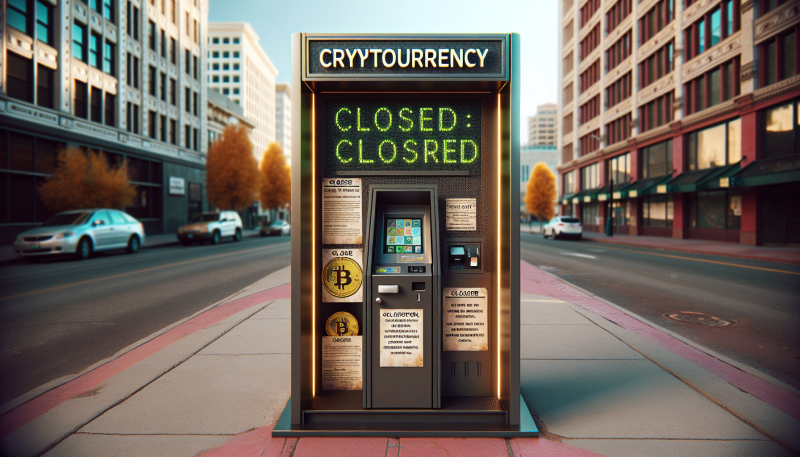
    Spokane, a city in Washington state, has decided to ban all crypto kiosks, including Bitcoin ATMs, within its city limits. The Spokane City Council unanimously passed an ordinance that requires existing crypto ATM operators to remove their machines from public spaces like convenience stores and gas stations. This decision comes as a response to a rise in scams associated with these kiosks, which often target vulnerable residents.

    Who does this affect?

    The ban primarily affects current operators of crypto kiosks in Spokane, such as Coinflip and Bitcoin Deposit, who are required to remove nearly 45 machines. It also impacts residents who previously used these kiosks for cryptocurrency transactions, as they will no longer have access to them locally. Furthermore, the ban aims to protect potential scam victims, particularly targeting vulnerable groups like senior citizens.

    Why does this matter?

    This ban could have significant market implications, as it might set a precedent for other cities facing similar challenges with crypto ATM scams. With crypto-related scams causing substantial financial losses, both in Spokane and elsewhere, the decision highlights growing regulatory concerns around cryptocurrency infrastructure. Other cities might follow Spokane’s lead, potentially affecting the broader adoption and accessibility of cryptocurrency services.

  • Ripple’s Potential IPO: What It Means for XRP Holders and the Cryptocurrency Market

    Ripple’s Potential IPO: What It Means for XRP Holders and the Cryptocurrency Market

    What happened?

    Ripple, a prominent company in the cryptocurrency space, is speculated to be considering an initial public offering (IPO), which could significantly increase both its valuation and the value of its XRP token. Analyst Johnny suggests that Ripple might go public with a high valuation, potentially driving a major rally for XRP. Despite the buzz, Ripple’s executives have stated that no IPO is planned for 2025, focusing instead on strategic acquisitions.

    Who does this affect?

    This development primarily affects XRP holders, investors interested in Ripple, and the broader cryptocurrency community. If Ripple proceeds with an IPO, XRP holders could see significant gains, especially if the company’s valuation skyrockets as analysts predict. Institutional investors and companies like VivoPower, which have invested heavily in XRP, also stand to be significantly impacted.

    Why does this matter?

    The potential IPO of Ripple could lead to substantial market shifts, positioning XRP for a breakout from its current trading pattern. A successful IPO might drive Ripple’s valuation much higher, mirroring boosts seen by other crypto companies like Circle. This could bring more institutional interest and inflows into the crypto market, increasing liquidity and potentially leading to a bullish trend for cryptocurrencies overall.

  • Europol Dismantles Archetyp Market, Major Dark Web Drug Hub

    Europol Dismantles Archetyp Market, Major Dark Web Drug Hub

    What happened?

    Europol successfully dismantled Archetyp Market, one of the longest-running dark web drug marketplaces. The operation involved arrests across Europe and the seizure of key infrastructure located in the Netherlands. This coordinated effort marks a significant victory in the fight against illegal online trade.

    Who does this affect?

    The takedown affects more than 600,000 users and top vendors involved with Archetyp Market. It also impacts law enforcement agencies working against cybercrime as it exemplifies effective international collaboration. However, operators of other illicit platforms may respond by shifting towards more decentralized methods to avoid detection.

    Why does this matter?

    The market impact is significant as it disrupts a major hub for illegal transactions involving drugs like cocaine and synthetic opioids. However, the effect may be temporary because dark web operators are increasingly adopting decentralized, peer-to-peer platforms that are harder to control. This ongoing adaptability poses continuous challenges for law enforcement trying to shut down similar networks.